
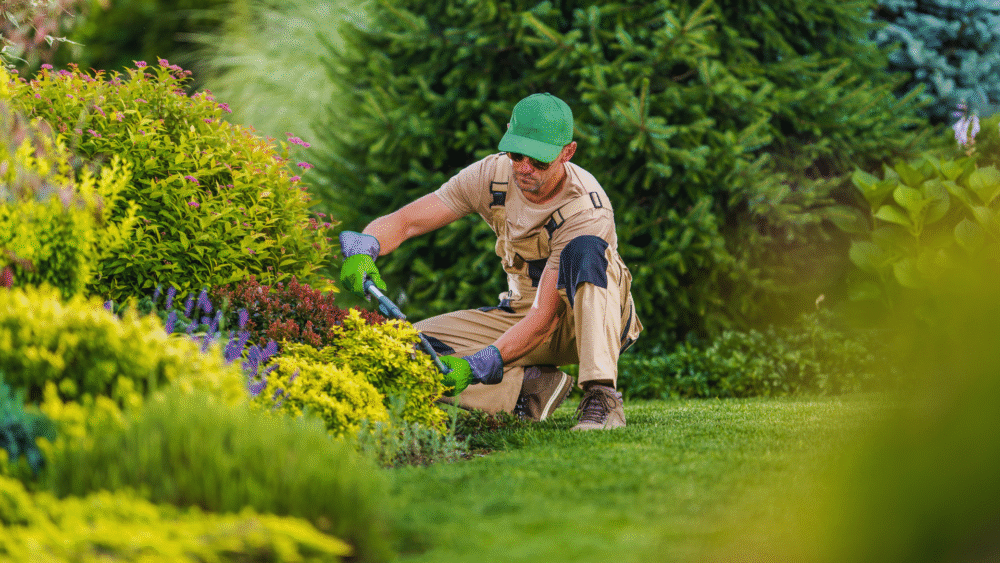
Pruning shrubs and bushes is essential for maintaining a healthy garden and ensuring that these plants thrive. The right pruning techniques can enhance their growth, encourage flowering, and improve overall aesthetics. Many gardeners may feel uncertain about when and how to prune effectively, but with the right guidance, these tasks become manageable.
Understanding the specific needs of different types of shrubs is crucial. Each variety has its own optimal time for pruning, and knowing whether a plant blooms on old or new wood can make a significant difference in the results. This article will lay out practical steps and tips to help anyone confidently approach the pruning process.
With the right tools and techniques, anyone can transform their bushy plants into thriving specimens. Whether a novice gardener or someone looking to refine their skills, learning to prune effectively can lead to a more vibrant and beautiful garden.
Pruning Fundamentals for Shrubs and Bushes
Pruning is essential for maintaining the health and aesthetics of shrubs and bushes. Understanding various pruning techniques, the benefits they provide, and the optimal timing for pruning can greatly enhance plant vitality and shape.
Understanding Pruning Techniques
Pruning involves various techniques tailored to the specific needs of different shrubs and bushes. Thinning removes selected branches to improve air circulation and light penetration. Heading back trims branches to encourage bushier growth and denser foliage. Tip pruning involves cutting just the tips of branches to promote more growth points.
Each technique serves different purposes. For instance, thinning is ideal for older plants suffering from overcrowding. In contrast, heading back is valuable for younger shrubs needing to develop a fuller form. Knowing which technique to apply can significantly affect the growth trajectory of the plant.
Benefits of Pruning for Plant Health
Regular pruning promotes healthier plants. By removing dead or diseased stems, one reduces the risk of pest infestations and diseases. This preventive measure encourages vigorous growth and can lead to more abundant flowering or fruiting.
Pruning also helps manage the size of shrubs. It prevents them from outgrowing their designated space, making maintenance easier. Moreover, by strategically shaping bushes, one can enhance their visual appeal in the landscape. Healthy, well-pruned shrubs provide better support for wildlife, such as birds and beneficial insects.
When to Prune Shrubs and Bushes
Timing is crucial for effective pruning. Most shrubs benefit from pruning during their dormant periods, usually late winter to early spring. This timeframe minimizes stress on the plant and encourages healthy growth as the growing season begins.
Some flowering shrubs require specific pruning times. For example, those that bloom on old wood should be pruned immediately after flowering. In contrast, those that bloom on new growth can be pruned in early spring or late winter. Observing these timings maximizes flowering potential and supports overall plant health.
Essential Tools and Methods
Pruning shrubs and bushes requires the right tools and techniques. Knowing which tools to use and the correct methods will ensure effective and healthy pruning.
Choosing the Right Pruning Tools
A variety of pruning tools serve distinct purposes. Hand pruners are best for small branches and are easy to handle. Lopping shears are ideal for thicker branches that are too large for hand pruners. For larger projects, a pruning saw can facilitate cutting through substantial limbs.
When selecting tools, one must consider quality, comfort, and maintenance. A well-balanced tool reduces hand fatigue. Stainless steel blades are durable and resist rust, making them a smart choice for longevity. Properly maintained tools—cleaned and sharpened regularly—ensure precise cuts and healthy plants.
Making Proper Pruning Cuts
The technique used for pruning cuts is crucial to plant health. Thinning cuts involve removing entire branches at the base to improve air circulation and light penetration. This method encourages overall growth and a balanced appearance.
Heading cuts, on the other hand, shorten branches without removing them entirely. This technique stimulates new growth, resulting in fuller shrubs. Careful placement of cuts promotes a healthy structure without leaving stubs.
Each cut should be made at a slight angle, just above a bud or branch junction. This approach minimizes the risk of disease and pest ingress while allowing the plant to heal effectively.
Basic Pruning Methods: Thinning, Heading, and Shearing
Pruning techniques can be categorized primarily into thinning, heading, and shearing. Thinning aims to remove selected branches to reduce density. This method opens up the shrub, encouraging light and moisture circulation, resulting in healthier growth.
Heading involves cutting back branches to a desired length, encouraging bushier growth. This method is particularly effective in shaping the plant and stimulating fuller foliage.
Finally, shearing is a technique used mainly for hedges. It involves cutting back a bush to create a uniform shape. The method works best on fast-growing shrubs and can be used to maintain tidy edges. Each technique serves its purpose based on the desired outcome and shrub type.
Step-by-Step Pruning for Different Shrub Types
Pruning techniques vary based on the type of shrub. Understanding the specific needs of flowering shrubs, evergreens, and the methods for rejuvenation and maintenance is essential for effective care and management.
Pruning Flowering Shrubs
Flowering shrubs can be categorized into spring-flowering and summer-flowering types. Spring-flowering shrubs, like forsythia and lilac, should be pruned right after they bloom, as they set buds for the next season in summer.
Cut back to the main stem, removing a third of the oldest branches if necessary. This encourages new growth and maintains a natural shape. For summer-flowering shrubs, like hydrangeas, prune in late winter or early spring before new growth appears.
Focus on removing any dead or diseased branches and thinning overcrowded areas to promote airflow. This enhances blooming and keeps the plant healthy.
Techniques for Evergreen and Deciduous Shrubs
When pruning evergreen shrubs, such as junipers and holly, maintain their natural form. Use pinching to remove new growth at tips, allowing the plant to remain dense and full. It is crucial to avoid cutting back into old wood, as it may not sprout new foliage.
Deciduous shrubs, like dogwoods and viburnums, can be pruned during dormancy in late winter. For these, identify and remove water sprouts, which are straight, vertical shoots that drain energy from the main structure.
Cutting back to the terminal buds helps shape the shrub and encourages branching. Focusing on creating an open center improves light penetration and overall health.
Rejuvenation and Maintenance Pruning
Rejuvenation pruning is vital for older or overgrown shrubs. This process involves cutting back one-third of the old stems to ground level. It rejuvenates the plant by promoting new growth and restoring its vigor.
Maintenance pruning should occur annually and includes removing dead, diseased, or crossing branches. This not only maintains the plant’s structure but also prevents the spread of disease.
Keep an eye out for suckers, which take energy from the main plant. Regularly trimming these will support healthier growth and bloom production.
Handling Diseased, Damaged, or Crossing Branches
Identifying and managing diseased or damaged branches is critical. Any branch that appears unhealthy should be removed promptly to minimize the spread of disease. Cut the affected areas well below the visible signs of damage.
Crossing branches can rub against one another, leading to wounds and increased susceptibility to pests. Identify these branches early and choose one to remove. This will enhance airflow and light exposure, reducing the chances of disease.
For all types of shrubs, maintaining a clean cut with sharp tools will promote quicker healing and minimize stress on the plant. Regular monitoring for issues will ensure robust growth and blooming.
Best Practices for Popular Shrubs and Bushes
Pruning techniques vary significantly among different shrub types. By understanding the specific needs of popular varieties, effective maintenance can be achieved to ensure healthy growth and abundant blooms.
Pruning Roses, Lilacs, and Forsythias
Roses benefit from pruning in early spring. Dead or weak stems should be cut back, encouraging new growth. For hybrid teas, aim to remove about one-third of the plant, while maintaining an open center for air circulation.
Lilacs should be pruned right after flowering to avoid disrupting next year’s blooms. Shearing can reduce flowering, so it’s best to remove only dead or damaged wood. Forsythias require immediate pruning after blooming. Cut back one-third of the oldest stems to encourage new growth, ensuring vibrant yellow flowers in the next season.
Care for Hydrangeas, Azaleas, and Wisteria
Hydrangeas have varied pruning needs depending on the type. Smooth and panicle hydrangeas should be pruned in late winter or early spring. This promotes robust blooms on new growth. Conversely, bigleaf and oakleaf hydrangeas should be pruned just after flowering to maintain next year’s blossoms.
Azaleas thrive with light pruning after blooming, shaping them while ensuring healthy foliage. Removal of spent flowers and thin branches encourages vitality. Wisteria requires careful management; it is best pruned in late winter and again in summer to control growth and enhance flowering. This maintains its form and ensures prolific clusters of blooms.
Guidelines for Hedges and Ornamental Shrubs
For hedges, regular trimming promotes thickness and health. Evergreen varieties like yew and juniper should be pruned in early spring, while deciduous shrubs, such as euonymus and buddleia, can be shaped after flowering.
Pruning guidelines for ornamental shrubs differ. For example, mockorange and vanhoutte spirea benefit from pruning in early spring, removing any dead or crossing branches. Japanese spirea should be cut back by one-third in spring, encouraging dense growth and vibrant floral displays throughout the season.