
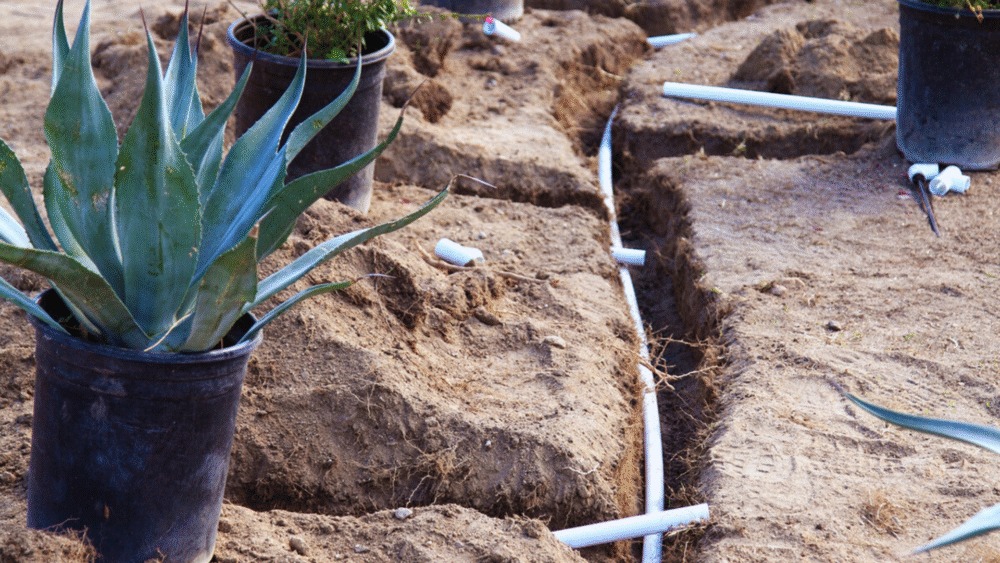
Xeriscaping is a landscaping approach that emphasizes water conservation through the use of drought-resistant plants and efficient irrigation techniques. It offers a sustainable way to create beautiful gardens that require minimal water, making it an ideal choice in arid regions or areas prone to drought. By carefully selecting native plants and designing a landscape that works with the natural environment, xeriscaping reduces the need for extensive watering and maintenance.
This method not only benefits the environment by preserving water resources, but it also allows for a diverse array of plant life that can thrive in less-than-ideal conditions. As gardening enthusiasts and homeowners look for ways to adapt their outdoor spaces to changing climate conditions, xeriscaping presents an innovative solution that combines aesthetic appeal with practicality.
Understanding the principles of xeriscaping can equip anyone to make informed choices about landscaping, ensuring their efforts contribute positively to water conservation efforts. This approach is more than just a trend; it embodies a sustainable practice that respects the environment while providing attractive outdoor spaces.
Core Principles of Xeriscaping
Xeriscaping is centered on efficient water use and selecting plants suited for dry climates. The core principles include systematic planning, soil improvement, and careful plant selection to ensure sustainability and low-maintenance landscapes.
Water-Wise Planning
Effective water-wise planning is essential in xeriscaping. This involves analyzing the local climate and understanding the specific water needs of different areas within the landscape.
Key strategies include:
- Zoning: Group plants with similar water needs together to optimize watering efficiency.
- Irrigation Systems: Implement efficient irrigation methods like drip irrigation and soaker hoses to minimize evaporation and runoff. These systems deliver water directly to the roots, conserving moisture and reducing waste.
- Rain Barrels: Collecting rainwater can supplement irrigation, providing a sustainable water source.
Proper planning can significantly reduce water usage while maintaining healthy plant growth.
Soil Improvement and Preparation
Soil health is vital for the success of xeriscaping. Improving soil quality ensures that plants can access water efficiently.
Important practices include:
- Organic Matter: Integrating organic matter, like compost, enhances soil structure and moisture retention.
- Well-Draining Soil: Amending existing soil with sand or peat can improve drainage, preventing waterlogging and ensuring adequate aeration for roots.
- Mulching: Applying organic mulches helps retain moisture, suppress weeds, and regulate soil temperature. Different mulch materials can be used, including wood chips, straw, or shredded leaves.
These practices create a favorable environment for drought-tolerant plants.
Plant Selection for Dry Climates
Choosing the right plants is critical in xeriscaping. Drought-tolerant plants are adapted to thrive in low-water conditions.
Considerations for plant selection:
- Native Plants: Using native species ensures higher resilience to local climate conditions. Examples include lavender, sage, and various ornamental grasses.
- Drought-Resistant Varieties: Selecting succulents like agaves and cacti, as well as groundcovers such as sedum or thyme, reduces water needs significantly.
- Diversity: Incorporating a mix of shrubs, herbs, and ornamental grasses can enhance the aesthetic appeal while ensuring efficient water usage.
By assessing the planting zones and compatibility with local climate, one can cultivate a thriving xeriscape landscape.
Design and Implementation Strategies
Effective xeriscaping requires careful design and implementation methods to promote water conservation and sustainability. Key strategies include optimizing yard layout, choosing appropriate hardscaping materials, and creating landscapes that support local ecology.
Yard Layout and Zoning
Yard layout is critical in xeriscaping to maximize water efficiency. Homeowners should zone their landscape into areas based on water needs.
- High Water Use: Place plants that require more moisture, like some flowering plants, near irrigation sources.
- Medium Water Use: Group moderate plants, such as certain succulents, in a central area.
- Low Water Use: Position drought-resistant ground covers such as sedum in the perimeter.
This zoning allows for efficient watering solutions, conserving water, and reducing runoff.
Hardscaping and Mulch Selection
Hardscaping involves incorporating rocks, gravel, or pavers to minimize the need for water. These materials provide effective drainage and create attractive focal points.
- Rocks and Gravel: Ideal for paths and edges, they reduce soil erosion, improve drainage, and require no watering.
- Mulch Types: Organic mulch, like wood chips or bark, helps retain soil moisture while suppressing weeds.
Choosing the right mulch is essential for maintaining soil health and enhancing the aesthetic of the landscape.
Creating Ecologically Balanced Landscapes
An ecologically balanced landscape promotes biodiversity and reduces water usage. Homeowners can incorporate features such as rain gardens to manage runoff and create nesting sites for local wildlife.
Plants should be native species that thrive without extensive watering.
- Pollinator-friendly plants: Including flowers that attract bees and butterflies enhances the ecosystem while supporting local fauna.
- Water Conservation Features: Integrating permeable surfaces allows rainwater to infiltrate the ground, reducing pollution and runoff.
Balancing these elements supports water conservation goals, creating a sustainable environment.
Care and Maintenance of Xeriscape Gardens
Maintaining a xeriscape garden requires a strategic approach to water management, plant care, and pest control. This ensures that plants thrive in a low-maintenance environment while conserving water.
Efficient Irrigation and Water Management
Efficient irrigation techniques are critical in xeriscaping. Utilizing drip irrigation or soaker hoses can deliver water directly to the plant roots, minimizing waste. A typical drip system can use only 1 to 2 gallons per hour, which is significantly lower than traditional methods.
Regular monitoring of soil moisture helps determine when to water. Gardeners should aim for deep watering sessions rather than frequent light ones, promoting deeper root growth. Mulching around plants can also reduce evaporation, retaining moisture in the soil. Collecting rainwater in barrels provides an eco-friendly irrigation alternative.
Pruning and Weeding Best Practices
Pruning is essential for maintaining plant health and aesthetics in a xeriscape garden. Removing dead or overgrown branches allows plants to direct energy towards new growth. Pruning should ideally take place during late winter or early spring, before new growth begins.
Weeding is equally important. Weeds compete for nutrients and water, hindering the growth of desired plants. Regular, hand-pulling of weeds early in the season prevents them from becoming established. Mulching not only adds organic matter but also suppresses weed growth, creating a healthier garden environment.
Sustainable Pest and Fertilizer Use
Effective pest management in xeriscape gardens focuses on natural solutions. Using organic pesticides minimizes harm to beneficial insects. Planting a variety of species can deter pests, creating a balanced ecosystem that reduces the need for chemical interventions.
When it comes to fertilizers, they should be applied sparingly. Slow-release organic fertilizers enhance soil quality without leaching into waterways. Incorporating compost or organic matter into the soil can improve fertility and structure, promoting a thriving xeriscape garden while minimizing maintenance efforts.
Regional Examples and Xeriscaping Success Stories
Xeriscaping has proven effective across various regions, particularly in arid and semi-arid areas. Notable examples include implementations in the Western United States, with cities such as Denver and Phoenix leading successful initiatives.
Xeriscaping in the Western United States
The Western United States faces specific water challenges due to its dry climate. Xeriscaping is an essential approach here, focusing on drought-resistant plants and efficient irrigation. In California, many municipalities have adopted xeriscaping practices to conserve water, especially in regions prone to droughts.
Arizona also showcases effective xeriscaping techniques. The state’s arid landscape has prompted residents to choose native plants that require minimal water. Strategies such as rainwater harvesting and using mulch have become common, helping to reduce landscape maintenance costs.
Spotlight on Denver, Colorado
In Denver, Colorado, the commitment to xeriscaping is robust, supported by the local utility, Denver Water. The city has funded programs providing resources for residents to implement xeriscaping yards. With a focus on water conservation, Denver Water offers educational workshops and incentives for homeowners to replace traditional lawns with xeriscaped gardens.
Denver’s climate, with its periodic droughts, makes xeriscaping vital. Local parks and public spaces have been transformed using drought-resistant plants. This initiative not only conserves water but also enhances local biodiversity.
Case Studies from Other Arid Cities
Phoenix, Arizona, exemplifies xeriscaping’s potential in urban environments. The city has enacted guidelines promoting xeriscape design in residential and commercial landscapes. Homeowners have replaced grass lawns with native desert plants, significantly reducing their water usage.
Texas also has seen success in xeriscaping through community awareness programs. Cities like El Paso encourage xeriscape gardens that feature cacti and succulents, cutting down on municipal water demands. Local government support and educational outreach have played significant roles in these successes, showcasing effective water management strategies.