
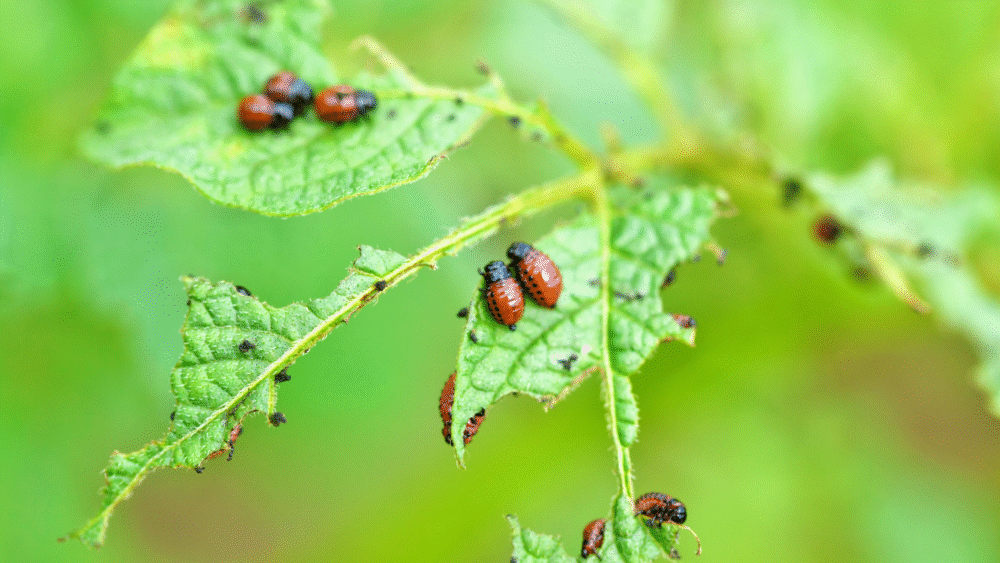
Maintaining a healthy garden often means keeping unwanted pests at bay. Many gardeners face challenges from insects and animals that can damage plants and disrupt growth. Effective pest control starts with understanding the types of pests that threaten gardens and implementing preventive measures.
Gardeners can explore a variety of strategies to deter pests naturally. From companion planting to using barriers like row covers or physical traps, these methods can minimize pest invasions without relying on harsh chemicals. Integrating these techniques not only protects the garden but also promotes a healthier ecosystem.
Prioritizing pest management can enhance the overall gardening experience. With thoughtful planning and consistent practices, gardeners can cultivate a thriving garden free from the disruption of pests. By staying proactive, they ensure the beauty and productivity of their plants remain intact.
Understanding Common Garden Pests
Gardeners must recognize the various pests that threaten their plants. Identifying these nuisances and understanding their impact helps in maintaining a healthy garden. This section discusses major garden pests, signs of damage, and how to differentiate between beneficial and harmful insects.
Identifying Major Garden Pests
Common garden pests include slugs, cutworms, rabbits, and squirrels.
- Slugs feed on tender leaves, leaving irregular holes or slime trails behind.
- Cutworms damage seedlings by cutting them at the soil level, often occurring overnight.
- Rabbits munch on young plants, while squirrels may steal seeds and fruits.
Understanding these pests helps in identifying the right control measures.
Recognizing Signs of Pest Damage
Pest damage varies; gardeners should know what to look for.
- Slugs create ragged holes in leaves.
- Cutworms can be recognized by fallen seedlings.
- Rabbits often leave clean, 45-degree cuts on stems.
Insects can also transmit diseases. Brown spots or wilting could indicate damage from harmful pests. Regular monitoring enables timely intervention.
Differentiating Between Harmful and Beneficial Insects
Not all insects in the garden are pests. Beneficial insects help control harmful pests.
- Lady beetles eat aphids, making them valuable allies.
- Praying mantises and assassin bugs prey on various pests, including caterpillars and beetles.
Bees are essential for pollination. Understanding these roles allows gardeners to protect beneficial insects while managing pests effectively.
Preventive Strategies for Pest Management
Effective pest management begins with a focus on prevention. Strategies that enhance soil health, proper watering techniques, and physical barriers can significantly reduce pest issues in gardens.
Soil Health and Plant Nutrition
Healthy soil provides essential nutrients to plants, promoting robust growth and reducing vulnerability to pests. Incorporating compost enhances soil structure and fertility, encouraging beneficial microorganisms.
Using organic fertilizers can deliver key nutrients like nitrogen, phosphorus, and potassium. A balanced nutrient supply strengthens plants, making them less appealing to pests. Regular soil testing ensures that nutrient levels remain optimal.
Crop rotation is another effective practice, disrupting pest life cycles by alternating plant families, which can reduce infestations. Maintaining diverse plant life can also attract beneficial insects that prey on pests.
Proper Watering and Mulching Techniques
Watering practices play a critical role in managing pests. It is important to water early in the day to minimize humidity, which can attract insects and fungal diseases. Deep, infrequent watering encourages deep root growth, making plants sturdier.
Mulching is equally valuable. A layer of mulch not only conserves moisture but also suppresses weed growth, which can harbor pests. Organic mulches, like straw or wood chips, decompose over time, adding organic matter back into the soil.
Mulching can create a barrier for pests, such as slugs, while also maintaining soil temperature. Regularly check and refresh mulch layers to maximize their effectiveness, ensuring they remain a beneficial presence in the garden.
Physical Barriers and Row Covers
Physical barriers can effectively keep pests at bay. Using row covers protects young plants from insects while allowing sunlight and rain to penetrate. These breathable fabrics prevent pests from reaching plants, but must be secured to avoid wind displacement.
Fencing can safeguard the garden from larger pests like rabbits or deer. Build a fence that is tall enough and buried deep enough to deter digging.
Utilizing traps and barriers around specific plants can also target pests without harmful chemicals. Regularly inspecting these barriers is vital to ensure they remain intact and effective against invading pests.
Natural and Organic Pest Control Methods
Using natural and organic methods can effectively keep pests away from gardens. These strategies leverage the natural ecosystem and include techniques such as companion planting, attracting beneficial insects, creating homemade repellents, and employing manual removal tactics.
Utilizing Companion Planting for Pest Control
Companion planting involves growing different plants side by side for mutual benefits. Certain plants can deter pests through their scent or chemical properties. For example, marigolds release compounds that repel nematodes and other pests.
Similarly, mint can deter ants and aphids. Basil planted near tomatoes can enhance flavor while warding off whiteflies. Additionally, onions and garlic serve as natural repellents when grown together.
Other effective companions include sage and rosemary, known to repel cabbage moths. Lemongrass and citronella can also be useful against mosquitoes, creating a layered defense.
Attracting Beneficial Insects
Beneficial insects play a crucial role in pest control. They are natural predators to common garden pests, helping maintain a balanced ecosystem.
For instance, lady beetles consume aphids and soft-bodied insects. Praying mantises are generalist predators that can tackle a wide range of pests, from caterpillars to flies.
Incorporating flowering plants like yarrow and dill can attract these beneficial insects. Creating habitats with dense foliage provides shelter and encourages insect populations. A diverse garden attracts a variety of species, enhancing pest management effectively.
Homemade and Plant-Based Repellents
Homemade repellents can help deter pests without harmful chemicals. Various plant-based ingredients serve as effective deterrents.
Garlic spray is a popular choice, made by blending garlic cloves with water. This solution can repel aphids, spider mites, and other pests.
Additionally, neem oil, extracted from the seeds of the neem tree, acts as a repellent and disrupts the life cycle of many insects. A simple blend of soap and water can also impair insects’ ability to breathe.
When using any homemade solution, it’s important to test on a small plant area first to avoid damage. Regular application may be necessary for sustained effectiveness.
Manual Removal and Natural Traps
Manual removal remains one of the simplest methods for controlling pests. Gardeners can physically remove visible pests, ensuring healthier plants.
Natural traps can also be employed, such as setting up plates of soapy water to capture flying insects. Using sticky traps made from non-toxic adhesive can help catch pests like aphids.
For slugs and snails, a simple beer trap involves burying a container filled with beer in the garden. The slugs are attracted and fall into the container, preventing further damage. Regular monitoring of traps and manual checks can effectively reduce pest populations.
Chemical and Advanced Pest Control Solutions
Chemical solutions, including pesticides and fungicides, play a significant role in managing pests and diseases in gardens. Proper use of these products can help protect plants from damage while minimizing risks to beneficial organisms.
Using Pesticides and Insecticides Safely
When applying pesticides and insecticides, safety measures are crucial. Gardeners should always read and follow product labels carefully. These labels provide important information about concentration, application methods, and safety precautions.
It is essential to use personal protective equipment (PPE), such as gloves, masks, and goggles, to minimize exposure. Timing is also vital; applying products early in the morning or late in the evening can reduce harm to beneficial insects.
Gardeners should consider selective products that target specific pests. This approach helps protect non-target organisms, including pollinators and natural pest predators. Regular monitoring of pest populations and plant health is necessary to determine when intervention is needed.
Applying Fungicides and Disease Management
Fungicides are essential for managing plant diseases caused by fungi. These products come in systemic and contact formulations. Systemic fungicides are absorbed by plants and provide internal protection, while contact fungicides protect only where they are applied.
It is vital to choose fungicides appropriate for the specific disease and plant type. Gardeners should look for signs of disease early, such as discoloration or wilting, to apply treatments promptly.
Proper application techniques are important to ensure maximum effectiveness. This can include avoiding over-application and ensuring adequate coverage. Following a proper rotation schedule can also help prevent resistance in pathogens.
Combining chemical treatments with cultural practices, such as crop rotation and improving air circulation, can enhance disease management efforts. By using chemical solutions responsibly and knowledgeably, gardeners can maintain healthier plants.