
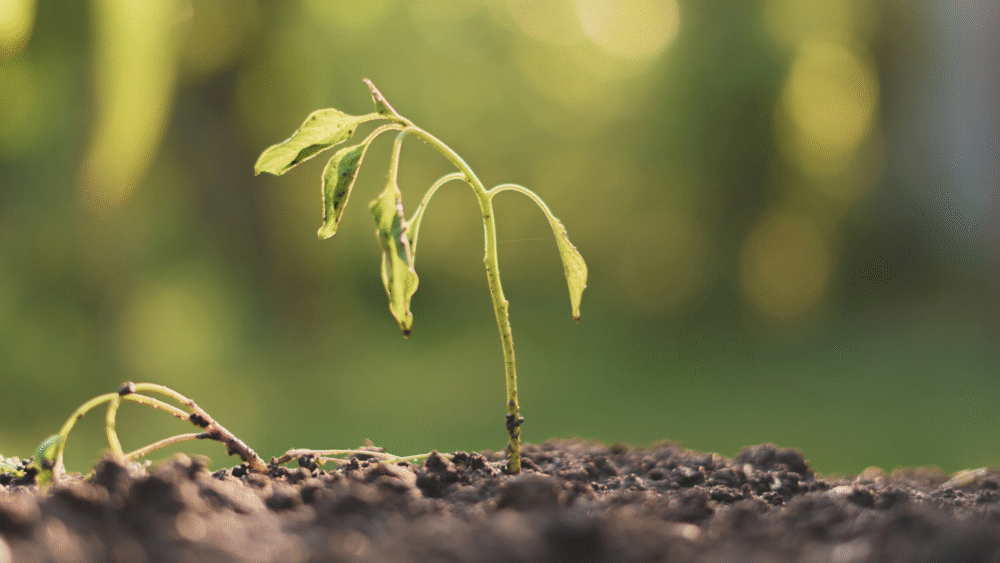
Reviving a dying plant may seem daunting, but there are practical steps anyone can take to restore its health. Assessing the specific needs of the plant, such as light, water, and soil requirements, is crucial to successfully bringing it back to life. With some attention and care, many plants can bounce back from their struggling state.
Common signs of distress include drooping leaves, yellowing foliage, or stunted growth. Identifying the underlying issue—whether it’s overwatering, underwatering, or poor lighting—helps in determining the right course of action. By making small adjustments, a plant can often begin to show signs of recovery.
Patience is key in this process. A well-timed change in environment or care routine can lead to noticeable improvements. Engaging with the plant’s needs creates a rewarding experience for anyone interested in nurturing their greenery.
Diagnosing Signs of a Dying Plant
Identifying the symptoms of a dying plant is crucial for potential recovery. Observing specific signs can lead to actionable insights regarding plant health.
Identifying Yellowing Leaves
Yellowing leaves are often one of the first signs that a plant is struggling. Various factors can cause this change, including overwatering or underwatering. Plants typically show symptoms based on their specific needs.
- Overwatering: Roots become waterlogged, leading to poor oxygen access, which can turn leaves yellow.
- Underwatering: Insufficient moisture leads to nutrient deficiencies, often resulting in yellow leaves.
Pests and diseases can also cause yellowing. Examine the leaves for spots or webbing, indicating pest issues. Adjusting watering practices and checking for pests can help restore health.
Spotting Brown Leaves
Brown leaves can indicate stress, often linked to environmental factors. They may appear crispy or dry at the tips.
- Low Humidity: Indoor plants may suffer in dry air, leading to browning. Maintaining a humidity level of 40-60% can help.
- Excessive Sunlight: Sunburn can turn leaves brown. It’s essential to provide adequate shade during peak sunlight hours.
Dead or dying leaves should be trimmed to prevent further stress to the plant. Regularly monitoring light and humidity can help in managing browning effectively.
Recognizing Common Problems
Diseases and pests are frequent culprits behind a plant’s decline. Recognizing these issues early can facilitate timely intervention.
- Fungal Infections: Look for mold or black spots, often appearing on leaves or soil.
- Pests: Aphids, spider mites, and mealybugs can sap the plant’s vitality.
Regular inspection and proper sanitation can prevent infestations. Adjusting conditions such as watering frequency and light exposure can also contribute to a healthier environment for indoor plants.
Addressing Water and Soil Issues
Water and soil conditions significantly impact plant health. When it comes to reviving a dying plant, it’s essential to evaluate soil moisture levels and correct any issues related to watering practices.
Checking Soil Moisture
To assess soil moisture, use a moisture meter or simply insert a finger about an inch into the soil. If the soil feels dry, the plant may need water. Conversely, if it’s damp or muddy, overwatering could be the issue.
For optimal results, well-draining soil is crucial. A potting mix that contains perlite can improve aeration and drainage, helping to prevent root rot. Always ensure pots have drainage holes to allow excess water to escape.
Correcting Overwatering and Underwatering
Addressing overwatering requires immediate attention. If a plant shows signs of root rot, remove it from the pot, trim any black or mushy roots, and repot it in fresh, dry potting soil.
For underwatering, provide a thorough watering until water drains from the bottom of the pot. Monitor the plant for signs of recovery, like new growth and healthier leaves. Adjust future watering based on the plant’s needs, considering factors like humidity and light conditions.
Restoring Plant Health Through Proper Care
Providing the right environmental conditions and care techniques is crucial for reviving a struggling plant. Attention to humidity, light, and plant health maintenance can greatly enhance its recovery.
Enhancing Humidity and Light Conditions
Plants often require specific humidity levels to thrive. For many houseplants, maintaining humidity around 40-60% is beneficial. This can be achieved by placing a humidifier nearby, grouping plants together, or using a pebble tray filled with water.
Along with humidity, light plays a vital role. Plants typically need bright, indirect light to perform photosynthesis effectively. Positioning the plant near east or west-facing windows can provide this light. Avoiding direct sunlight is important, as it may scorch the leaves.
Pruning for Recovery
Pruning is an important step in restoring plant health. By removing dead or yellowing leaves, one helps redirect the plant’s energy toward healthier growth. Using clean, sharp scissors or pruning shears minimizes the risk of disease.
Focus on cutting away any branches that are severely damaged or infested with pests. This not only improves appearance but also encourages new growth. After pruning, monitoring the remaining leaves for signs of recovery will guide further care actions.
Repotting and Improving Drainage
Repotting can be an effective method to restore plant health. If the plant is root-bound or the soil has degraded, it may be time to transfer it to a larger container. Ensure the new pot has a drainage hole to prevent water from accumulating.
Using well-draining soil, such as a mix with perlite, supports root health. Perlite improves aeration and drainage, reducing the risk of root rot. Regularly checking the moisture level in the soil can prevent underwatering or overwatering, helping the plant to thrive again.
Maintaining Optimal Growing Conditions
Creating and sustaining optimal growing conditions is essential for revitalizing a struggling plant. Elevating factors such as soil quality and ongoing care can significantly impact plant health.
Enriching Soil With Organic Matter
Adding organic matter to soil enhances its structure and nutrient content. Materials like well-rotted manure, leaf mold, or peat moss improve soil aeration and water retention.
To enrich soil effectively, incorporate organic matter into the top 12 inches of soil. This integration promotes healthy root development and improves the availability of essential nutrients. Regularly check the soil quality and content to ensure it remains fertile and suitable for growth.
Using Mulch and Compost
Applying mulch aids in moisture retention and temperature regulation, reducing the risk of plant stress. Organic mulches, such as shredded bark or straw, break down over time and enrich the soil.
Compost contributes valuable nutrients while enhancing soil structure. It is best to use compost made from kitchen scraps or yard waste, which adds rich organic material. Spreading a 1-3 inch layer around plants not only suppresses weeds but also gradually nourishes them.
Establishing a Long-Term Plant Care Routine
A consistent plant care routine is vital for ongoing plant health. Regular watering, tailored to the specific needs of the plant, promotes optimal growth.
Fertilization schedules should align with the plant’s growth cycle. During active growth periods, applying a balanced fertilizer every 4-6 weeks provides essential nutrients. Additionally, monitoring for pests and diseases ensures early intervention when issues arise.
Incorporating these practices fosters a supportive environment for plant recovery and long-term success.