
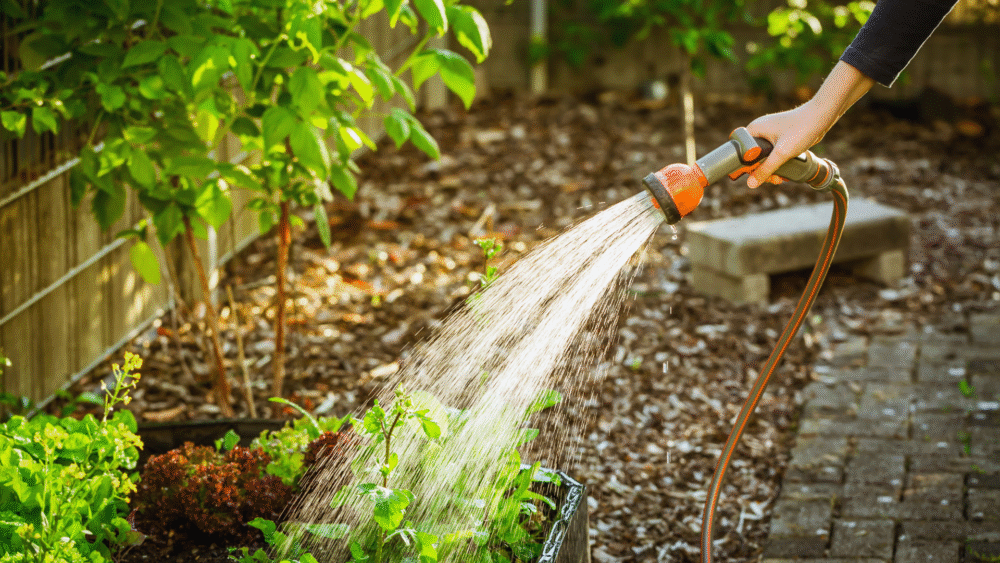
Identifying the hydration needs of plants can be challenging for many gardeners. Recognizing the signs of overwatering and underwatering is crucial for maintaining plant health. Overwatered plants typically exhibit yellowing leaves and a wilting appearance, while underwatered plants often have dry, brittle leaves and can appear lifeless.
Gardeners should observe specific symptoms to ensure their plants thrive. Changes in leaf color, texture, and growth patterns can indicate hydration issues. By paying attention to these signs, individuals can adjust their watering practices effectively.
Understanding the differences between these two conditions can save a plant from stress and potential death. By learning to recognize the signals, one can foster a healthier indoor or outdoor garden environment.
Recognizing Signs of Overwatering in Plants
Overwatering can lead to significant issues for plants, notably yellowing leaves, root rot, and excess moisture in the soil. Identifying these signs promptly aids in ensuring plant health.
Identifying Yellow Leaves
Yellow leaves are a common indication of overwatering. When a plant receives too much water, it can lead to nitrogen deficiency, causing the leaves to lose their vibrant color.
- Lower leaves typically yellow first, while newer growth maintains green hues.
- The leaf edges may also appear brown or mushy as they become waterlogged.
To confirm, gently feel the leaves. If they feel soft or limp, it can indicate excess moisture that the plant cannot process.
Spotting Root Rot
Root rot is a serious consequence of overwatering and can ultimately kill the plant. This condition occurs when roots sit in waterlogged soil for too long, leading to decay.
- Affected roots often become brown and mushy, losing their healthy white or light tan color.
- Foul odors may also emanate from the soil, signifying potential rot.
Carefully examining the root system after removing the plant from its pot can help determine if root rot is present. Healthy roots should feel firm, while rotten roots will be soft and easily break apart.
Assessing Soil Moisture
Checking soil moisture can provide critical insights into a plant’s water needs. Soil that remains consistently wet may indicate overwatering.
- Using a moisture meter can help gauge the levels accurately.
- Alternatively, inserting a finger about an inch into the soil can also reveal moisture content. If the soil feels soggy or overly wet, it may signal issues.
In general, plants thrive in well-draining pots and soil that allows excess water to escape. Proper drainage is essential for preventing future overwatering incidents.
Signs Your Plant Is Underwatered
Underwatering can stress plants, causing distinct signs that indicate they need water. Recognizing these signs early can help restore a plant’s health.
Wilting and Drooping Leaves
A common indicator of underwatering is wilting and drooping leaves. When a plant doesn’t receive enough water, it loses turgor pressure, resulting in leaves that sag or droop. This change is particularly noticeable during the day when the plant is actively trying to photosynthesize.
Leaves may appear limp and less vibrant. New growth may also lack the firmness typical of a healthy plant. In severe cases, underwatering can lead to leaf loss or complete desiccation if not addressed promptly.
Dry and Brittle Soil
Another sign of underwatering is dry and brittle soil. When the soil has not been adequately watered, it may pull away from the edges of the pot, forming cracks.
Checking the soil moisture depth is essential. If the top inch or two feels dry to the touch, it’s a clear indication that the plant may need water. Lifting the pot can also help; a lighter weight usually signifies low moisture content, thereby requiring immediate attention.
Leaf Curling or Browning
Leaf curling or browning can signal underwatering. Leaves might curl inward as the plant attempts to conserve moisture. This adjustment can help limit water loss through transpiration.
Browning often occurs at the tips or edges of the leaves, where the plant’s cells are drying out. If left untreated, the affected leaves may eventually die off. Monitoring leaf condition regularly is vital, as these symptoms can escalate quickly if watering habits aren’t adjusted.
Best Practices for Preventing Overwatering and Underwatering
Establishing specific routines and monitoring plant health are essential in preventing both overwatering and underwatering. Consistent care can significantly enhance the well-being of plants.
Establishing a Proper Watering Routine
Creating a proper watering schedule is crucial. This depends on the type of plant, its environment, and the season. For instance, succulents need less water than tropical plants.
Tips for a successful routine:
- Know your plant: Research the specific needs regarding watering frequency.
- Use appropriate soil: Well-draining soil prevents excess moisture.
- Check moisture levels: Stick a finger into the soil; if it’s dry a few inches down, it’s time to water.
Using pots with drainage holes also aids in avoiding water retention. Adjust the schedule based on the plant’s growth phase—detecting changes will help fine-tune watering.
Monitoring Plant Health Regularly
Regular assessments of plant health can signal issues before they become serious.
Key indicators to watch for:
- Leaf condition: Yellowing leaves may indicate overwatering, while browning edges might show underwatering.
- Soil moisture: Using a moisture meter can provide an accurate measurement.
- Growth patterns: Stunted growth or wilting often suggests problems with watering.
Routine checks should happen weekly. If changes are noted, promptly adjust the watering practice. Maintaining records of watering habits can also help in identifying trends and making informed decisions.