
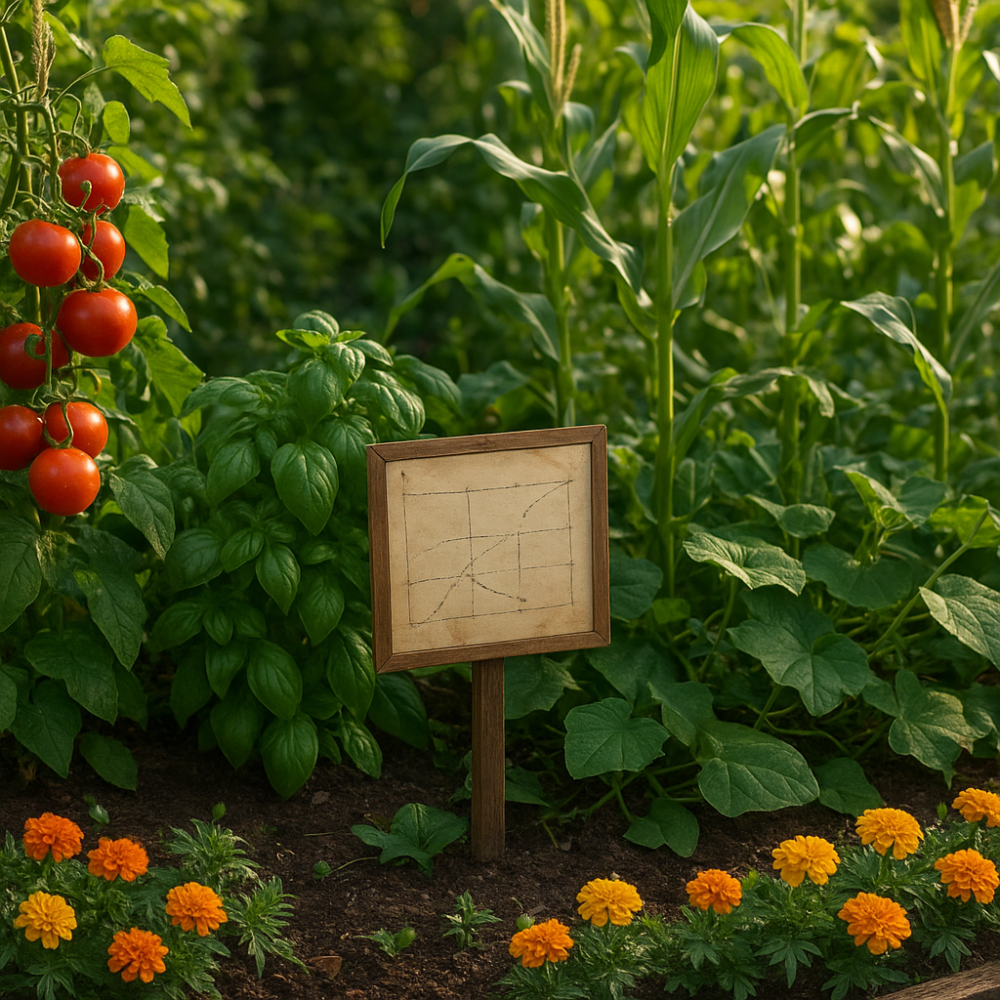
If you’ve ever planted tomatoes next to fennel and wondered why everything seemed off, or watched your squash thrive seemingly out of nowhere when planted near beans and corn — you’ve already experienced companion planting in action. The idea is simple: some plants genuinely help each other grow, while others compete, repel, or even poison their neighbors. Knowing which is which can transform a struggling vegetable patch into a productive, low-maintenance garden.
This guide breaks down the most reliable companion planting combinations, explains the science behind why they work, and gives you a practical reference chart you can actually use season after season. No fluff, no guesswork — just the combinations that gardeners have tested and trusted for generations.
What Is Companion Planting and Why Does It Matter?
Companion planting is the practice of growing different plants in proximity because of the mutual benefits they provide — whether that’s pest deterrence, improved soil health, pollinator attraction, or better use of garden space. It’s one of the oldest gardening techniques in the world, with roots in Indigenous agricultural traditions like the Three Sisters method, which paired corn, beans, and squash together for thousands of years across North America.
Modern gardeners use companion planting for several practical reasons:
- Pest control: Certain aromatic plants confuse or repel insects that would otherwise damage crops.
- Soil improvement: Nitrogen-fixing plants like legumes enrich the soil for neighboring heavy feeders.
- Space efficiency: Tall plants shade low-growing ones that prefer cooler conditions, making the most of vertical and horizontal space.
- Pollination: Flowering companion plants attract bees and beneficial insects that improve fruit set on vegetables.
- Weed suppression: Dense ground cover plants crowd out weeds before they establish.
Research from the Rodale Institute and various university extension programs has shown that strategic intercropping — the formal term for companion planting — can reduce pest pressure by 30 to 50 percent in some cases, depending on the plants involved and the local pest population.
The Companion Planting Chart: Best Friends and Worst Enemies
Below is a comprehensive breakdown of common vegetable garden plants, their ideal companions, and the plants they should be kept far away from. Think of it as a social network for your garden — some plants get along famously, others need their space.
Tomatoes
- Good companions: Basil, marigolds, carrots, garlic, parsley, borage, asparagus
- Bad companions: Fennel, brassicas (cabbage, broccoli), corn, potatoes
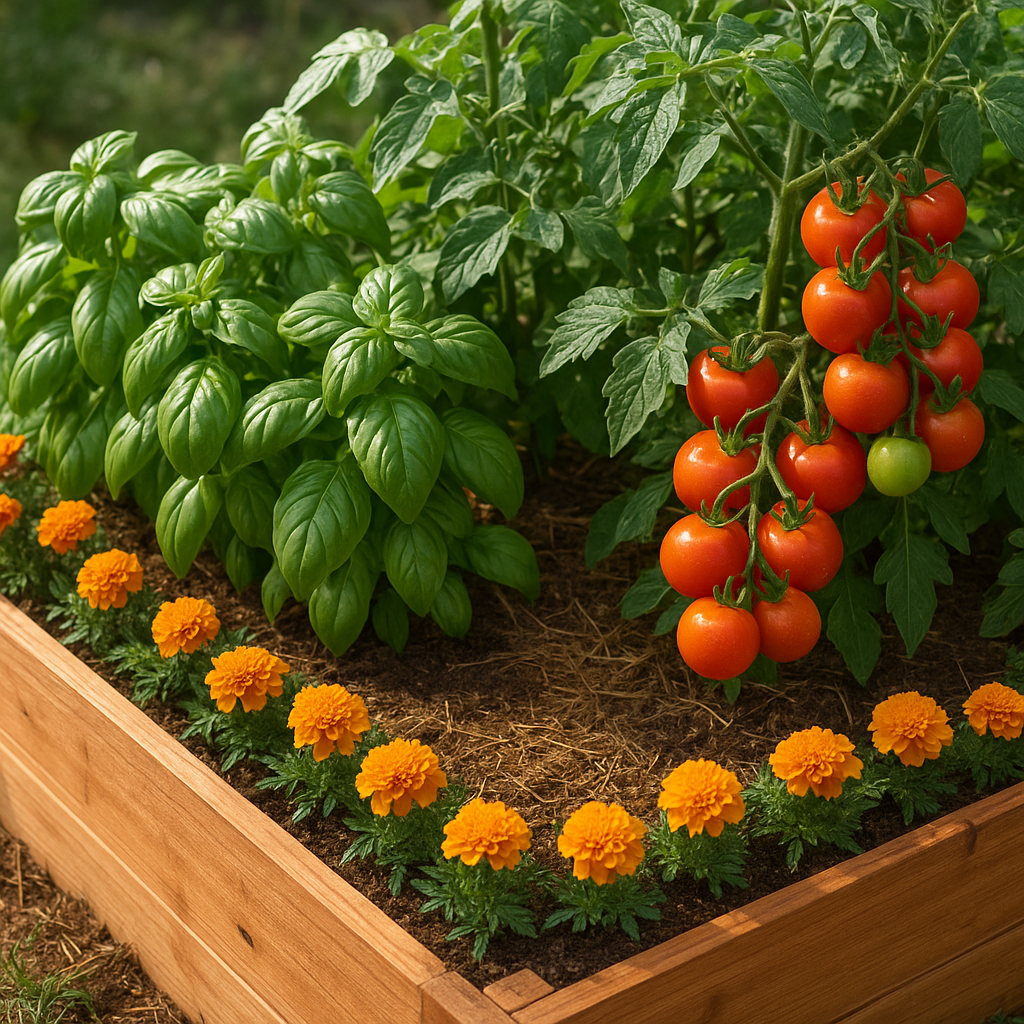
- Why it works: Basil is perhaps the most famous companion for tomatoes. Many gardeners swear it improves flavor, though the scientific evidence is still debated. What’s clearer is that basil repels aphids and thrips, and attracts pollinators. Marigolds deter nematodes in the soil — a real issue for tomatoes — and borage repels tomato hornworms.
Peppers
- Good companions: Basil, tomatoes, carrots, marjoram, spinach
- Bad companions: Fennel, brassicas, kohlrabi
- Why it works: Peppers and tomatoes share similar needs and pests, making them reasonably compatible neighbors. Basil helps ward off aphids and spider mites that commonly plague peppers.
Cucumbers
- Good companions: Beans, peas, radishes, sunflowers, nasturtiums, dill (early stage only)
- Bad companions: Aromatic herbs (late-stage), potatoes, melons (when space is tight)
- Why it works: Nasturtiums act as a trap crop for aphids — drawing pests away from cucumbers. Radishes repel cucumber beetles. Sunflowers provide a trellis and attract pollinators. One note: dill helps cucumbers when young but can inhibit growth once it flowers and sets seed, so manage timing carefully.
Beans and Peas (Legumes)
- Good companions: Corn, squash, cucumbers, carrots, radishes, strawberries, lettuce
- Bad companions: Garlic, onions, leeks, fennel, chives
- Why it works: Legumes fix atmospheric nitrogen into the soil through symbiotic bacteria in their root nodules. This enriches the growing environment for heavy-feeding neighbors like corn. The Three Sisters combination — beans, corn, and squash — is the classic example of this working beautifully together.
Carrots
- Good companions: Tomatoes, onions, leeks, lettuce, rosemary, sage, chives
- Bad companions: Dill (once mature), parsnips, radishes (in close proximity)
- Why it works: Tomatoes and carrots are a classic pairing. Tomato plants repel carrot flies with their strong scent, while carrots aerate the soil around tomato roots. Rosemary and sage also help deter carrot flies, which are a major pest in many regions.
Cabbage and Brassicas (Broccoli, Kale, Brussels Sprouts)
- Good companions: Dill, nasturtiums, marigolds, onions, garlic, thyme, mint (contained), celery
- Bad companions: Strawberries, tomatoes, peppers, pole beans, mustard
- Why it works: Brassicas are heavily targeted by cabbage worms, aphids, and flea beetles. Nasturtiums and dill attract beneficial wasps that parasitize these pests. Mint, when planted in pots nearby (it spreads aggressively if not contained), deters cabbage moths. Strong-smelling herbs like thyme and sage confuse pest insects that locate plants by scent.
Squash and Zucchini
- Good companions: Corn, beans, nasturtiums, borage, marigolds, radishes
- Bad companions: Potatoes, fennel, brassicas
- Why it works: Squash plays a specific role in the Three Sisters: its broad leaves shade the soil, suppress weeds, and keep moisture in. Borage is a particularly good companion for squash, deterring tomato hornworms and squash worms while attracting pollinators that improve fruit set.
Lettuce and Leafy Greens
- Good companions: Carrots, radishes, strawberries, chives, garlic, tall plants (for shade)
- Bad companions: Fennel, parsley (in some cases)
- Why it works: Lettuce benefits from light shade in hot climates, making it an ideal understory plant for taller vegetables like tomatoes or corn. Radishes planted nearby can serve as trap crops for flea beetles.
Garlic and Onions
- Good companions: Carrots, beets, tomatoes, peppers, roses, chamomile
- Bad companions: Beans, peas, asparagus, sage
- Why it works: Alliums (the onion family) are among the most versatile pest deterrents in the garden. Their sulfur compounds repel a wide range of insects and some fungal pathogens. However, these same compounds inhibit the growth of legumes — keep them well separated from beans and peas.
The Notorious Bad Actor: Fennel
Fennel deserves its own mention because it’s one of the few plants that’s genuinely allelopathic — meaning it releases chemicals that actively inhibit the growth of many surrounding plants. Tomatoes, peppers, beans, kohlrabi, and most other vegetables grow poorly near fennel. Unless you’re specifically growing fennel for culinary use and have the space to isolate it, consider keeping it out of the main vegetable garden entirely.
How to Use a Companion Planting Chart for Garden Layout
A companion planting chart is only as useful as the garden layout it informs. Here’s a practical approach to integrating companion planting principles into your planning process:
Start with Your Anchor Plants
Identify your main crops — the vegetables you absolutely want a good harvest from. These are your anchor plants. In most vegetable gardens, that means tomatoes, peppers, beans, or squash. Build your layout around these, then layer in companions based on the chart.
Think in Guilds, Not Rows
Rather than planting in strict rows (though that works for some crops), think in plant guilds — small communities of compatible plants that support each other. A tomato guild might include: tomatoes at center, basil interspersed throughout, marigolds around the perimeter, and carrots or onions tucked in between.
Consider Height and Light
Companion planting works best when you account for plant height. Tall plants like corn or sunflowers can shade low growers like lettuce (beneficial in summer) but might crowd out tomatoes or peppers. Plan your garden with sun angles in mind — north to south orientation for tall plants prevents unnecessary shading.
Rotate Companions Along with Crops
Crop rotation is standard advice for preventing soil-borne diseases. Apply the same logic to companions — moving your tomatoes means moving your basil and marigolds with them. This prevents soil depletion in specific areas and breaks pest cycles more effectively.
Common Questions About Companion Planting
Does companion planting actually work?
The honest answer is: it depends on the combination and the context. Some pairings — like marigolds deterring nematodes, or beans fixing nitrogen for corn — are well-supported by research. Others, like the idea that basil improves tomato flavor, are anecdotal but widely reported. At minimum, companion planting improves biodiversity in the garden, which supports beneficial insect populations and generally improves garden resilience. It’s rarely harmful when done thoughtfully, and often genuinely helpful.

What vegetables should not be planted together?
The most important pairs to avoid include: tomatoes and fennel, beans and onions/garlic, brassicas and strawberries, and potatoes with tomatoes (they share diseases like blight). Fennel is broadly problematic and best isolated. Allelopathic plants — those that chemically inhibit neighbors — are the ones to watch most carefully.
Can I download a companion planting chart as a PDF?
Many gardening extension programs and agricultural universities offer free printable companion planting charts. University cooperative extension services (accessible through their .edu domains) often provide downloadable versions tailored to specific regions and climates, which is particularly useful since pest pressure and growing seasons vary widely by location.
Tips for Getting the Most from Companion Planting
- Don’t overcrowd: Companion planting improves growing conditions, but plants still need adequate space, water, and nutrients. Overcrowding undermines the benefits.
- Use aromatic herbs liberally: Plants like basil, thyme, rosemary, dill, and mint serve as natural pest deterrents across the garden. If you want to grow herbs successfully, interplanting them with vegetables is one of the best approaches for both flavor and pest control.
- Plant marigolds everywhere: French marigolds (Tagetes patula) are among the most useful companion plants. They repel whiteflies, aphids, and nematodes, attract pollinators, and look great. There’s almost no downside to planting them throughout the vegetable garden.
- Keep records: Note what you plant together each season and how it performs. Over time, you’ll develop a companion planting chart that’s custom-tailored to your garden’s specific conditions.
- Be patient: The benefits of companion planting often build over seasons, not just one growing year. Soil health improvements and beneficial insect populations take time to establish.
Conclusion
Companion planting is one of those gardening practices that rewards observation, patience, and a willingness to think about the garden as an ecosystem rather than a grid of individual crops. The core principles are straightforward: keep allelopathic plants like fennel isolated, pair heavy feeders with nitrogen-fixers, use aromatic herbs to confuse and deter pests, and let tall plants shelter smaller, shade-tolerant ones.
The combinations that consistently deliver results — tomatoes with basil and marigolds, the Three Sisters of corn, beans, and squash, brassicas with nasturtiums and dill — have been tested by generations of gardeners and backed by a growing body of agricultural research. Start with these proven pairings, keep notes on what works in your specific conditions, and use a companion planting chart as a living reference that evolves with your garden over time. The more you observe, the more the relationships between plants become intuitive — and the more productive and resilient your vegetable garden will become.