
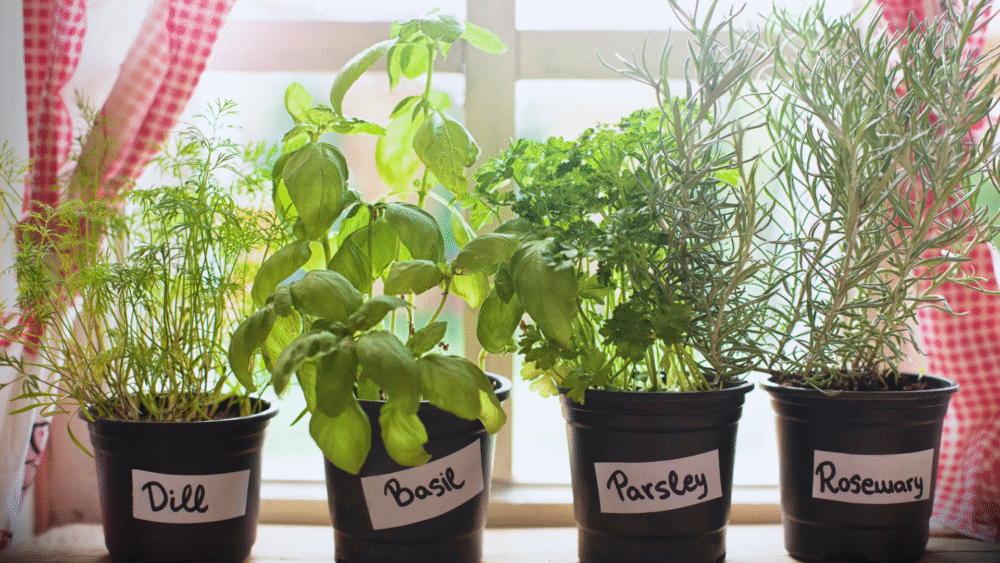
Growing herbs at home is a rewarding endeavor that offers fresh flavors and aromas for cooking. To successfully grow herbs, one must consider the right growing conditions, including light, soil, and water. Whether in a garden, on a balcony, or indoors, anyone can cultivate a variety of herbs with a bit of knowledge and care.
Herbs can thrive in diverse environments, from sunny windowsills to garden beds. Each herb has specific requirements, so understanding these needs is essential for growth. Basic herbs like basil, rosemary, and mint are excellent choices for beginners due to their resilience and adaptability.
In addition to enhancing dishes, homegrown herbs can elevate a person’s gardening experience. They require minimal space and can be harvested continuously, providing a fresh supply. By following the simple steps outlined in this article, readers can enjoy a bountiful herb garden.
Essential Steps to Grow Herbs
Successful herb cultivation involves several key actions, including selecting suitable herbs, preparing soil, and properly planting seeds or cuttings. Attention to detail in these steps ensures a thriving herb garden.
Choosing the Right Herbs
Selecting herbs depends on climate, culinary use, and personal preference. Popular options include basil, parsley, rosemary, and thyme.
When starting an herb garden, consider mint and chives for easy growth. Herbs like sage, oregano, and dill thrive in various conditions, making them versatile choices.
For those interested in unique flavors, options like purple basil, lemon balm, and lavender can add variety. Research each herb’s growing conditions to ensure successful cultivation.
Soil Preparation and Compost
Herbs prefer well-draining soil enriched with organic matter. Begin by testing soil pH; most herbs thrive in a range of 6.0 to 7.0.
Incorporate compost to improve soil structure and nutrient content. A mixture of equal parts soil, compost, and sand promotes drainage.
Removing weeds is essential to prevent competition for nutrients. Tilling the soil to a depth of at least 12 inches enhances root growth.
Ensure the chosen location receives full sun for six to eight hours daily, as this supports healthy growth.
Planting Herb Seeds and Cuttings
Timing is crucial when planting herb seeds or cuttings. Sow seeds indoors six to eight weeks before the last frost date or start directly outdoors when the soil warms.
For cuttings, take healthy stems from mature plants. Remove lower leaves and place them in a moist potting mix. Water gently to settle the soil.
Herb seeds should be sown about 1/4 inch deep. Spaces between seeds should follow specific recommendations for each herb.
Keep the soil moist but not soggy. As seeds germinate, thin the seedlings to avoid overcrowding. This encourages better air circulation and growth.
Caring for Your Herb Garden
Proper care of an herb garden ensures healthy plants and a bountiful harvest. Attention to watering, light needs, pest management, and supporting local pollinators contributes significantly to herb vitality.
Watering and Light Requirements
Herbs thrive with adequate watering and sunlight. Most herbs require 1 to 2 inches of water per week, depending on the climate. Overwatering can lead to root rot, while underwatering stresses plants.
Position herbs in a location that receives at least 6-8 hours of sunlight daily. For indoor herbs, south-facing windows often provide the best light. Grow lights can supplement natural light if it is insufficient.
It’s essential to check the soil moisture with a finger test. If the top inch of soil feels dry, it’s time to water. Making a consistent watering schedule helps maintain healthy plants, preventing stress and promoting growth.
Managing Pests and Diseases
Common pests like aphids and spider mites can harm herbs. Regularly inspecting plants helps identify infestations early. Organic insecticidal soap effectively manages most pests without harming beneficial insects.
Fungal diseases, such as powdery mildew, can also occur. To mitigate this risk, ensure proper air circulation and avoid watering foliage. Using a fan can improve circulation in indoor gardens.
Companion planting can deter harmful pests. For instance, growing marigolds alongside herbs can repel aphids. Adopting these strategies can significantly reduce pest impacts and enhance plant health.
Supporting Pollinators
Herb gardens attract a variety of pollinators, such as bees and butterflies. To encourage these beneficial insects, ensure a diverse plant selection. Flowers like lavender, borage, and thyme provide nectar.
Avoid using harsh pesticides that can harm pollinators. Instead, integrate natural pest control methods. Creating habitats, such as leaving some areas of the garden untended, also supports local wildlife.
Providing water sources, like shallow dishes filled with pebbles and water, can help pollinators thrive. Maintaining a pollinator-friendly garden enhances productivity and promotes ecological balance.
Types of Herb Gardens
Different approaches to herb gardening cater to various needs and preferences. Each method has its advantages, enabling gardeners to enjoy fresh herbs year-round.
Growing Herbs Indoors
Growing herbs indoors is ideal for those lacking outdoor space or wishing to have fresh herbs year-round. A sunny windowsill or a dedicated indoor garden area can provide an excellent environment for flavor-packed varieties.
Recommended Herbs:
- Basil
- Parsley
- Chives
These herbs thrive in pots, where they can receive adequate sunlight. Using pots with drainage holes is crucial to avoid waterlogging. It’s beneficial to rotate the pots periodically, ensuring even light exposure.
Planting in Raised Beds
Raised beds offer an efficient way to grow herbs by improving drainage and soil quality. They can also provide better access and ease of maintenance.
Key Advantages of Raised Beds:
- Increased soil temperature
- Fewer weeds
- Better pest control
Building a raised bed requires selecting suitable materials, like untreated wood or stone. The dimensions typically range from 4 feet wide to 1-2 feet deep, making them easy to reach without bending.
Annual and Perennial Herb Varieties
Understanding the difference between annual and perennial herbs helps in planning a herb garden effectively.
Annual Herbs:
- Cilantro
- Dill
- Basil
These herbs complete their lifecycle in one growing season. They must be replanted each year.
Perennial Herbs:
- Oregano
- Thyme
- Mint
Perennial herbs return year after year, making them low-maintenance options for sustained growth.
Choosing the right mix of annual and perennial herbs can provide variety and continuity in an herb garden.
Harvesting and Using Culinary Herbs
Culinary herbs require careful harvesting and proper storage to maintain flavor and freshness. Knowing how to utilize these herbs in cooking enhances dishes and maximizes their potential.
Harvesting Techniques for Freshness
To ensure herbs retain their flavor, he or she should harvest in the morning after the dew has dried. Using clean scissors or pruning shears prevents damage to the plant and reduces disease risk.
Cut stems just above a pair of leaves to encourage growth. Rotate harvesting different parts of the plant to avoid over-harvesting from one area and allow continued growth. For robust flavors, consider harvesting herbs just before flowering, as this is when essential oils are most concentrated.
Storing and Preserving Herbs
Fresh herbs can be stored in several ways to prolong their shelf life. For short-term storage, place stems in a glass of water like cut flowers and cover loosely with a plastic bag. This method keeps herbs fresh for about a week.
For longer preservation, consider drying or freezing. Drying methods include air-drying, using a dehydrator, or an oven at low temperatures. For freezing, chop herbs and mix them with olive oil, then pour into ice cube trays. Once frozen, transfer cubes to a freezer bag for easy use later.
Culinary Uses and Recipes
Culinary herbs enhance flavors and textures in various dishes. Basil is excellent in pestos and sauces, while thyme works well in roasts and stews.
Oregano is a staple in Mediterranean cuisines, great for seasoning meats and vegetables. Chopped fresh parsley can brighten up a dish, while dill pairs beautifully with fish and salads.
Simple herb-infused oils or vinegars can elevate salad dressings. To create a herb marinade, blend olive oil, citrus juice, and chopped herbs for meats or vegetables.