
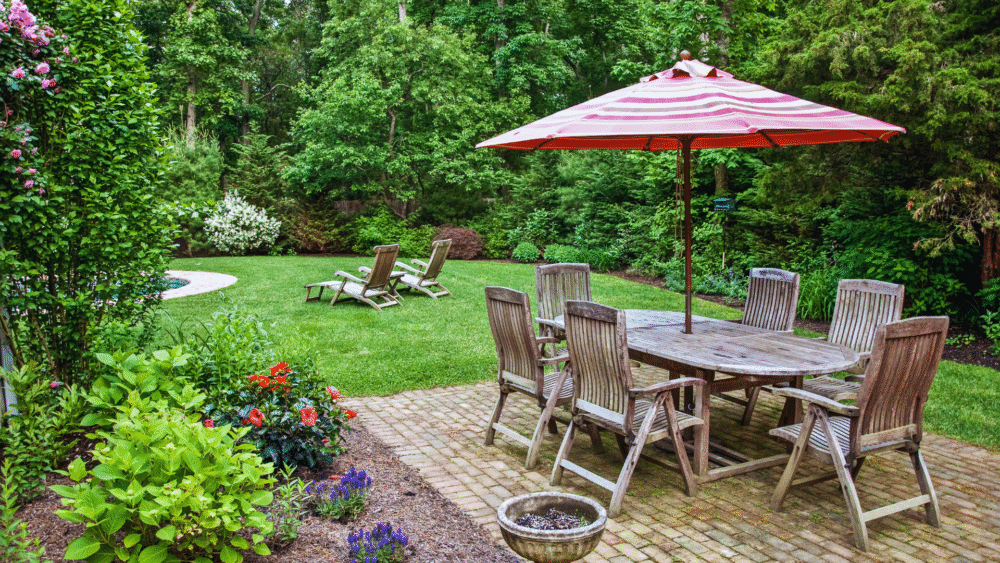
Designing a low-maintenance backyard can transform an outdoor space into a relaxing retreat without the burden of constant upkeep. Choosing native plants, incorporating hardscaping, and selecting durable materials are key strategies that can significantly reduce maintenance needs while enhancing the beauty of the landscape. With thoughtful planning, individuals can create a backyard that not only looks appealing but also allows them to spend more time enjoying their environment.
Incorporating features such as gravel paths, stone patios, and drought-resistant plants can elevate the design while minimizing the need for regular care. These elements not only contribute to the aesthetic appeal of the backyard but also ensure that it remains functional and enjoyable throughout the seasons. By focusing on smart choices, it’s possible to achieve a stunning outdoor space that complements a busy lifestyle.
The right landscaping decisions simplify maintenance and provide long-term satisfaction. By integrating low-maintenance features and sustainable practices, individuals can enjoy their backyards without the typical hassle associated with traditional gardening.
Principles of Low-Maintenance Backyard Design
Designing a low-maintenance backyard requires an understanding of the unique features of the outdoor space and the specific upkeep demands of various elements. Proper planning can simplify garden management while still providing enjoyment and beauty.
Understanding Your Outdoor Space
Assessing the outdoor space is essential for effective landscape design. Identify factors such as sunlight, shade, soil type, and existing vegetation.
Key considerations include:
- Sunlight Exposure: Areas with full sun support drought-tolerant plants.
- Microclimates: Shaded sections may require different plant choices.
- Drainage Patterns: Ensuring proper drainage minimizes maintenance issues.
By understanding these elements, one can create a layout that utilizes the natural environment.
Identifying Maintenance Needs
Evaluating the maintenance requirements of plants and features is crucial. This includes watering, pruning, and seasonal cleanup tasks.
Components to consider:
- Plant Selection: Choose native or drought-resistant varieties for reduced care.
- Hardscape vs. Softscape: Hardscaping, such as patios and pathways, requires less upkeep than traditional gardens.
- Seasonal Care: Plan for the seasonal maintenance workload by selecting plants that thrive with minimal intervention.
This analysis helps ensure a sustainable and manageable environment.
Choosing a Garden Style
Selecting an appropriate garden style can significantly impact maintenance levels. Several popular styles align well with low-maintenance goals.
Effective styles include:
- Xeriscaping: Utilizes drought-tolerant plants to reduce water usage.
- Minimalist Design: Focuses on a few elements that emphasize space and functionality.
- Cottage Gardens: Use dense planting, but can be designed to minimize upkeep by selecting hearty perennials.
Each style offers unique aesthetic benefits while accommodating minimal maintenance.
Design Tips for Simplicity
Incorporating design tips can enhance low-maintenance features. Simplifying layouts and selecting durable materials are critical.
Practical tips include:
- Use Mulch: Reduces weeds and retains soil moisture.
- Grouped Planting: Cluster plants with similar water and sunlight needs.
- Efficient Paths: Hardscape pathways reduce lawn area and limit mowing.
Implementing these tips contributes to a visually appealing and hassle-free landscape.
Selecting Plants and Ground Cover for Effortless Upkeep
Choosing the right plants and ground cover can transform a backyard into a serene retreat with minimal maintenance. A thoughtful selection of perennials, ornamental grasses, and evergreen species can significantly reduce the time spent on upkeep.
Best Perennials for Low Care
When selecting perennials, options such as daylilies, sedum, and cone flowers thrive with little attention. These plants are not only hardy but also resistant to pests and diseases, making them ideal for low-maintenance gardens.
Perennials often return year after year, providing reliable blooms without the need for constant replanting. Heuchera and black-eyed Susans also offer vibrant colors, adding visual interest without requiring extensive care.
Tips for selecting perennials include:
- Choose drought-tolerant varieties.
- Opt for native plants that adapt well to local conditions.
- Group plants with similar water and sunlight needs together.
Using Ornamental Grasses and Evergreens
Ornamental grasses such as feather reed grass and switchgrass add texture and movement to the landscape. They require minimal pruning, and many types can endure drought with proper placement.
Evergreens, like junipers and spruce, provide year-round structure without seasonal changes in care. They can act as effective foundation plantings, providing a backdrop for seasonal blooms.
These plants are generally low-maintenance and do not require extensive soil prep. Moreover, they maintain their aesthetics throughout the year.
Benefits of ornamental grasses and evergreens:
- Retain color in winter months.
- Provide a habitat for wildlife.
- Help with erosion control.
Low-Maintenance Ground Covers
Ground covers such as Creeping Thyme and Pachysandra reduce weeds and retain moisture in the soil. These plants spread quickly, creating a dense mat that offers less space for unwanted growth to emerge.
Ajuga and Vinca minor can also be effective, as they thrive in varying light conditions and require minimal watering once established.
Utilizing ground covers can also reduce the need for mulch and can create a lush look without labor-intensive maintenance.
Key elements to consider:
- Choose non-invasive species to avoid overcrowding.
- Consider the sunlight and soil conditions for each type.
Incorporating Container Gardening
Container gardening offers versatility and ease of maintenance. Plants permitted to thrive in pots include herbs, small perennials, and even dwarf evergreens.
Containers can be moved to highlight areas of the backyard that need more color or impact. They allow for a customized look without committing to permanent planting in the ground.
Benefits of container gardening include:
- Simplified weeding and watering processes.
- Ability to use high-quality potting mixes.
- Flexibility to change arrangements as seasons change.
Strategically placing a variety of sizes and plants will enhance visual interest while remaining manageable.
Incorporating Hardscaping and Synthetic Solutions
Integrating hardscaping elements and synthetic materials can significantly reduce maintenance while enhancing the aesthetic of a backyard. This approach includes the use of durable materials and artificial surfaces that last over time.
Benefits of Pavers and Hardscaping
Pavers are a key component in creating a low-maintenance backyard. They come in various materials, such as concrete, brick, and stone, allowing for versatile designs. Their durability ensures that they withstand weather conditions without needing frequent repairs.
Advantages of using pavers:
- Low Maintenance: Pavers require minimal upkeep compared to traditional lawns.
- Aesthetic Appeal: Available in numerous designs and colors, they can be customized to fit any style.
- Weed Control: Proper installation can reduce weed growth, easing maintenance tasks.
Hardscaping features such as patios, walkways, and retaining walls create functional outdoor spaces that do not need regular watering or mowing.
Artificial Turf vs. Synthetic Grass
Artificial turf and synthetic grass offer practical alternatives to natural lawns. Both options require less upkeep, no mowing, and limited watering, which saves time and resources.
Key differences between the two:
- Artificial Turf: Typically made from a blend of materials, it provides a lush appearance while being durable and resilient.
- Synthetic Grass: Similar to artificial turf, it often imitates the look of natural grass but can be designed with specific features such as better drainage.
Homeowners should assess their preferences for look and feel when choosing between these options to ensure satisfaction over time.
Creating Functional Outdoor Living Spaces
Designing a backyard with functional outdoor living spaces enhances usability and enjoyment. Utilizing hardscaping can help structure these areas, making them inviting and practical.
Key elements to consider:
- Patios and Decks: Serve as great spaces for dining or relaxation with furniture.
- Fire Pits: Provide warmth and a focal point for social gatherings.
- Pathways: Direct traffic flow while enhancing accessibility, reducing mud or wear on the grass.
Incorporating these features not only adds beauty but also minimizes maintenance, offering a retreat without the hassle of constant upkeep.
Enhancing Aesthetics and Functionality
Creating a visually appealing and functional backyard requires thoughtful planning and attention to detail. Key elements like focal points, dedicated garden spaces, professional insights from landscape architects, and the latest technology can greatly enhance the overall experience of a backyard setting.
Establishing Focal Points
Focal points draw the eye and can define the overall design of a backyard. These can be features such as a distinctive sculpture, a fire pit, or a water fountain.
Tips for selecting focal points:
- Choose items that reflect personal style.
- Place them strategically to create visual interest.
- Use lighting to highlight these features at night.
Incorporating bold colors or unique shapes can also enhance a focal point. This not only adds character but also encourages exploration of the surrounding areas.
Designing a Garden Room
A garden room creates a dedicated space for relaxation or entertaining, contributing both beauty and ease of maintenance. It can be an outdoor dining area, lounge, or even a meditative space.
Essential elements to consider:
- Furniture: Opt for weather-resistant materials.
- Landscaping: Surround the area with low-maintenance plants.
- Shade Structures: Incorporate pergolas or umbrellas to enhance comfort.
Strategically placed seating can foster conversation and enjoyment of the garden room. The overall design should encourage versatility while minimizing upkeep.
Working with a Landscape Architect
Collaborating with a landscape architect can elevate a backyard’s design. These professionals provide insights and solutions tailored to specific needs, optimizing the use of space.
Benefits of hiring a landscape architect include:
- Expertise in creating cohesive designs that blend aesthetics with functionality.
- Access to resources and contacts for reliable materials and contractors.
- Customization to fit an individual’s lifestyle and environmental considerations.
An architect can also help in selecting plants that suit local climates while reducing maintenance needs.
Utilizing Apps and Technology
Technology has transformed backyard design and maintenance. Various apps can assist homeowners in visualizing their space and planning landscaping effectively.
Useful features of these apps include:
- 3D modeling: Visualize different layouts and plant selections.
- Plant databases: Identify low-maintenance species and their care requirements.
- Maintenance reminders: Schedule tasks to ensure gardens remain in pristine condition.
By leveraging technology, individuals can streamline backyard projects while ensuring practical and aesthetic outcomes. This can lead to more enjoyable, maintained spaces.