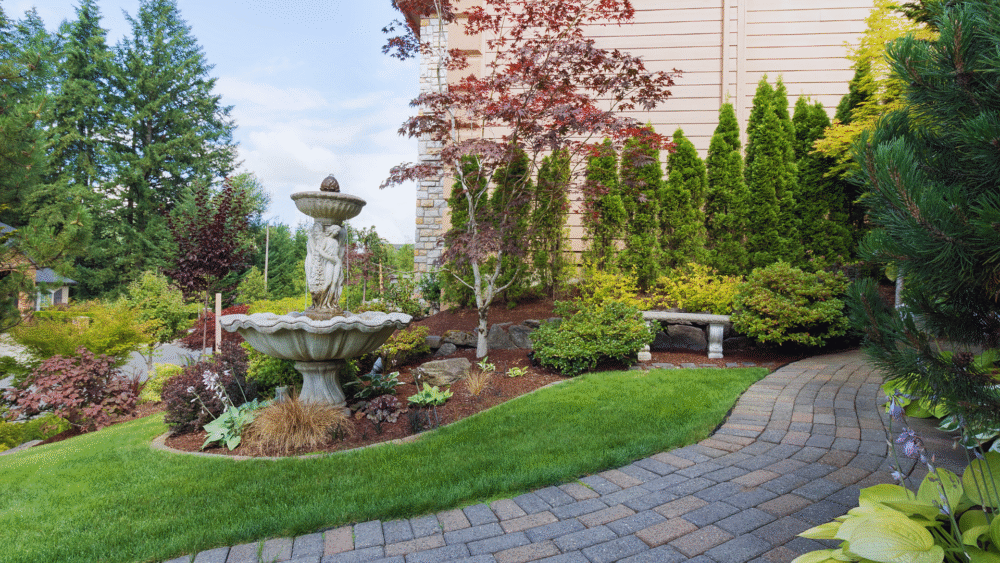
Landscaping involves a careful balance between hardscape and softscape elements, each playing a distinct role in creating inviting outdoor environments. Hardscape refers to the non-living features, such as patios, walkways, and walls, while softscape includes the living elements like plants, trees, and soil. Understanding the differences between these components is crucial for effective landscape design.
Designing a landscape requires thoughtful consideration of both hardscape and softscape to achieve a harmonious look. Hardscape provides structure and functionality, while softscape adds beauty and vitality to the space. When effectively combined, these elements enhance the overall appeal and usability of outdoor areas.
Investing time in knowing how to integrate hardscape and softscape can transform a property’s exterior. By recognizing the benefits and purposes of each, individuals can create landscapes that not only look good but also serve practical needs and environmental functions.
Defining Hardscape and Softscape
Hardscape and softscape are essential components of landscape design, each serving distinct purposes. Hardscape comprises non-living elements that provide structure and character, while softscape includes living elements that enhance the aesthetic appeal of a space.
What Is Hardscape?
Hardscape refers to the non-living components in landscape architecture. It includes materials such as stone, brick, concrete, and wood. These elements create functional areas like patios, walkways, and retaining walls.
Hardscaping adds durability and longevity to outdoor spaces. It contributes to drainage and can define different areas within a yard. Properly designed hardscape features establish a foundation for other landscaping elements.
Key hardscape materials used in design include:
- Pavers for walkways
- Retaining walls for elevation changes
- Decking for outdoor living areas
What Is Softscape?
Softscape encompasses the living elements of landscaping, primarily involving plants, trees, and flower beds. These components add color, texture, and life to outdoor environments.
Softscaping is crucial for creating a vibrant ecosystem. Plants provide shade, improve air quality, and support wildlife. Diverse plant selections contribute to seasonal interest and ecological balance.
Common elements of softscape include:
- Trees for shade and height
- Shrubs for structure and privacy
- Flower beds for aesthetic appeal
Differences Between Hardscaping and Softscaping
Hardscaping and softscaping serve different functions and require varied maintenance. Hardscape offers permanence and can create practical spaces, while softscape is dynamic and changes with the seasons.
Key differences include:
- Materials: Hardscape uses inanimate materials, while softscape focuses on plants.
- Purpose: Hardscape contributes to functionality; softscape enhances beauty.
- Maintenance: Hardscape may require less upkeep, whereas softscape needs regular care.
Understanding these differences helps in designing cohesive and functional landscapes that balance both components effectively.
Key Features and Materials of Hardscape
Hardscape refers to the non-plant elements of landscaping, incorporating durable materials and structures. Key features include various surfaces and features that enhance functionality while contributing to aesthetic appeal.
Common Hardscape Elements
Common hardscape elements include patios, walkways, driveways, and retaining walls. Patios serve as outdoor living spaces, often constructed with paving stones, bricks, or concrete. Walkways and pathways facilitate movement through landscapes, available in materials such as gravel, natural stone, or pavers.
Retaining walls provide structural support for soil erosion and can be made from stone, concrete blocks, or timber. Additionally, features like decks, fences, and outdoor kitchens expand functional space while adding to the property’s character. These elements create defined areas for leisure and enhance curb appeal.
Popular Hardscape Materials
A wide range of materials is available for hardscape features. Concrete is versatile and can be poured or formed into various shapes and finishes. Pavers, available in clay, concrete, or stone, provide a modular option for surfaces.
Natural stone adds a premium aesthetic and includes varieties such as granite and river rock. Bricks offer a classic look, while gravel is used for paths and drainage. Asphalt is a common choice for driveways due to its durability and cost-effectiveness. The selection of material often impacts maintenance needs and overall property value.
Design Considerations for Hardscape Features
When designing hardscape features, several considerations arise. Compatibility with the surrounding landscape is essential for a cohesive look. Proper drainage must also be addressed to prevent water pooling around structures.
Sustainability factors should be considered, favoring materials that minimize environmental impact. Custom landscape designs often incorporate elements such as water walls and fountains, enhancing visual interest. Accessibility is key; pathways should be navigable for all users. Balancing aesthetics with functionality ultimately contributes to a successful hardscape design.
Key Features and Elements of Softscape
Softscape refers to the living elements of landscaping, including plants and other organic materials. It plays a crucial role in defining outdoor environments, enhancing aesthetic appeal, and promoting biodiversity.
Common Softscape Elements
Key elements of softscape include a variety of plants, trees, shrubs, flowers, ground covers, and grasses. Each plant type serves a distinct purpose in the landscape. For instance, trees provide shade and structure, while shrubs can create privacy and define boundaries.
Ground covers are effective for soil erosion control, and they help reduce the need for maintenance. Flowers add vibrant colors and attract pollinators, contributing to an ecosystem.
Other common elements, like mulch, help retain moisture in planting beds and suppress weeds, creating a healthy environment for plants to thrive.
Softscape Plant Selection
Selecting the right plants is essential for a successful softscape. Factors such as climate, soil type, and the intended use of the space must be considered. Drought-tolerant plants like succulents are ideal for low-maintenance gardens, while native species are often more resilient and require less water.
In addition, it is important to consider the scale and growth habits of plants. Large trees may dominate a space if not properly placed, while smaller plants can create unity and balance in a landscape. Pruning can also influence the overall aesthetics and health of the plants.
Softscape Design Principles
Effective softscape design relies on principles of unity, balance, and scale. Unity creates a cohesive look by using similar colors and textures across various plants. Balance involves distributing plant types and sizes evenly throughout the landscape.
Incorporating planting beds and lawns thoughtfully enhances the flow and functionality of outdoor spaces. Utilizing varied plant heights and complementary plantings visually enriches the landscape. Implementing these principles can significantly elevate the overall experience of the outdoor environment.
Planning, Maintenance, and Environmental Impact
Effective landscape design requires thoughtful planning, diligent maintenance, and consideration of environmental impacts. Balancing hardscape and softscape elements enhances property value and curb appeal while promoting sustainability.
Achieving Balance in Landscape Design
A well-planned landscape integrates both hardscape and softscape to optimize aesthetics and functionality. Hardscape features like gravel walkways and water features add structure and appeal. In contrast, softscape elements such as plants and lawns provide life and color.
Landscape architects focus on achieving harmony by selecting materials that complement each other. For instance, using stone walls with drought-resistant plants can create a visually striking yet sustainable environment. This balance increases property value and enhances the front yard’s overall look.
Maintenance Requirements for Hardscape and Softscape
Maintenance varies greatly between hardscape and softscape. Hardscape elements generally require less frequent upkeep but may need periodic inspections for wear and tear. Regular cleaning, sealing of surfaces, and addressing any erosion issues are essential.
Softscape maintenance includes tasks like watering, pruning, and weeding. These activities are crucial for preserving plant health and preventing erosion. A well-planned maintenance schedule helps retain the landscape’s intended appearance and functionality.
To facilitate maintenance, selecting low-maintenance plants or permeable materials for hardscapes can be beneficial. This choice can reduce the need for excessive watering or chemical treatments, promoting an eco-friendly approach.
Environmental Considerations
Landscaping choices significantly influence environmental factors such as runoff and erosion. Proper planning of hardscape elements can manage water runoff effectively. Utilizing permeable materials allows rainwater to infiltrate, reducing erosion and protecting nearby flora.
Softscape elements play a vital role in improving air quality and promoting biodiversity. Incorporating native plants can provide habitats for local wildlife while minimizing resource use. Strategies like planting trees help with temperature regulation and can enhance water retention in the soil.
Both hardscape and softscape must align with environmental standards to mitigate negative impacts on the ecosystem. Thoughtful integration of these components ensures a sustainable landscape that benefits both the property and its surroundings.