
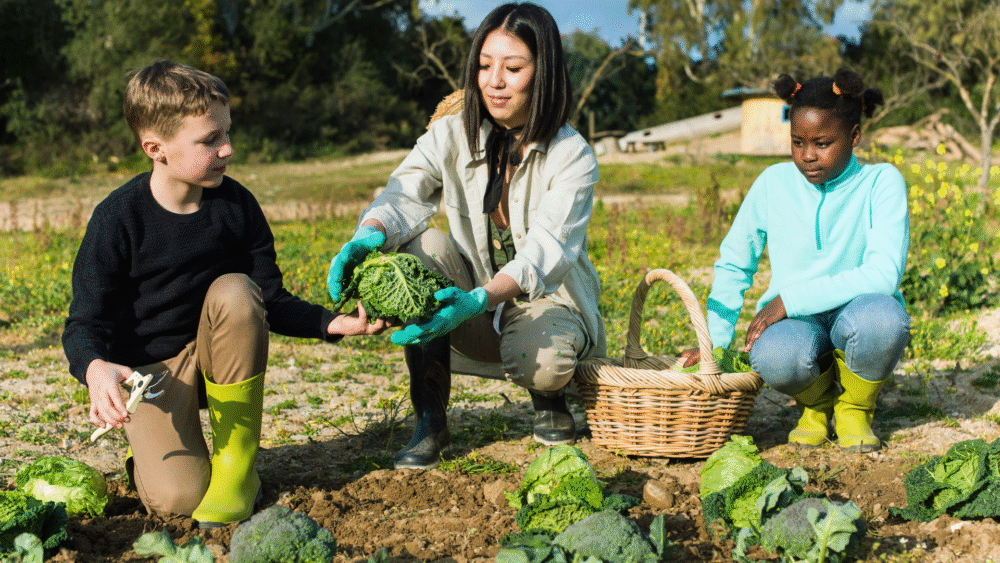
Gardening with kids offers a rewarding way to engage them in nature while teaching valuable life skills. This hands-on experience not only sparks their curiosity about plants and the environment but also fosters responsibility and patience. Parents and caregivers can create an enjoyable learning atmosphere that encourages exploration and creativity.
Involving children in gardening helps them understand where food comes from and the importance of caring for living things. Simple activities, like planting seeds and watering plants, can turn into an exciting adventure. These moments can strengthen bonds as families work together toward a common goal.
As children watch their efforts grow, they develop a sense of accomplishment. They learn to appreciate nature and gain an awareness of healthy eating habits. Gardening provides an excellent opportunity to connect with kids while nurturing their development in a fun and educational way.
Benefits of Gardening With Kids
Gardening with kids offers a range of advantages that enhance relationships and encourage personal growth. Engaging in this activity fosters family bonding, promotes essential learning opportunities, and nurtures a love for the environment.
Encouraging Family Bonding
Participating in gardening creates a unique bonding experience for families. Working together towards a common goal allows parents and children to engage in meaningful conversations.
Through activities like planting seeds and watering plants, family members can share stories and laughter. This shared time helps strengthen emotional connections and promotes teamwork.
Families can set specific tasks for each member, making everyone feel involved and valued. Gardening becomes a way to create lasting memories and traditions that can be passed down through generations.
Promoting Learning and Responsibility
Gardening offers numerous educational benefits that extend beyond mere planting. Children learn about the life cycle of plants, nutrition, and the importance of sustainability.
Tasks like watering, fertilizing, and weeding teach kids about responsibility. They understand that consistent care is vital for healthy growth, echoing lessons about commitment and nurturing.
Parents can incorporate math and science lessons by measuring plant growth and studying photosynthesis. This hands-on approach engages kids by transforming abstract concepts into tangible experiences.
Fostering a Love of Nature
Spending time in a garden cultivates an appreciation for nature in children. Exposure to various plants, insects, and natural elements fosters curiosity and wonder.
As kids observe the impact of their work, they learn to respect the environment. This connection encourages them to become stewards of nature, advocating for sustainable practices.
Gardening helps children recognize the value of healthy food choices. Understanding where food comes from can lead to improved habits and a desire to try new fruits and vegetables.
In sum, gardening with kids enriches family life, supports learning, and instills a lasting respect for nature.
Getting Started: Essential Tools and Supplies
Having the right tools and supplies makes gardening with kids an enjoyable and successful experience. This section covers the essential items needed to create a thriving garden while engaging young gardeners.
Choosing the Right Gardening Tools
Selecting appropriate gardening tools is crucial for a safe and productive gardening experience. He or she should opt for child-sized tools to ensure comfort and ease of use.
Recommended Tools
- Small Trowel: Ideal for digging small holes.
- Hand Rake: Useful for loosening soil.
- Watering Can: A lightweight option helps kids manage watering routines.
Families can also consider colorful and ergonomic tools that are visually appealing to children. Ensuring tools are durable and will withstand rough use, and encourage continued interest in gardening activities.
Selecting Seeds and Plants
Choosing seeds and plants that are easy to grow will boost confidence in young gardeners.
Top Choices for Kids
- Sunflowers: Fast-growing and easy to care for.
- Radishes: Quick to germinate and fun to harvest.
- Bean Seeds: They sprout rapidly and are versatile for planting.
It is beneficial to select seeds that match the local climate and season. Starting with pre-grown seedlings can also simplify the process, providing instant gratification and encouraging children to observe growth.
Preparing the Garden Space
Creating a suitable garden space is vital for successful gardening.
Preparation Steps
- Location: Find a spot with adequate sunlight, typically 6-8 hours a day.
- Soil Quality: Test soil for pH and nutrients; it may require amendments.
- Garden Beds: Raised beds offer better control over soil and easier access for kids.
Ensuring the area is safe and free from debris or harmful plants is essential. Marking boundaries with colorful flags or stones can help define the space and add an element of fun for children.
When a garden opens out toward a main road, the need for safety becomes even more important. Without proper fencing or a gate, there is always a risk of children wandering outside without realizing the danger. In such cases, installing a sturdy fence is a practical and necessary solution. It creates a clear physical boundary and helps keep the garden secure.
Getting in touch with professional Fencing Services can help in choosing the right option based on the garden’s layout. Whether it’s wood, metal, or another durable material, the focus should be on strength, stability, and child safety.
Kid-Friendly Gardening Activities
Engaging children in gardening can foster a love for nature while teaching them valuable life skills. Activities can vary from planting vegetables to harvesting fruits, making the experience enjoyable and educational.
Planting a Vegetable Garden
Creating a vegetable garden is an excellent way to teach kids about growing their own food. Begin by selecting easy-to-grow options like peas, carrots, and radishes, which germinate quickly.
Children can help with tasks such as digging, planting seeds, and watering. This hands-on experience reinforces responsibility. Using raised beds or containers can make gardening accessible for smaller hands.
Incorporating a planting chart can help kids visualize the growth process with labels for each vegetable type. This adds an element of excitement as they monitor growth and anticipate harvest time.
Growing Fruits and Berries
Fruits and berries are particularly appealing to children due to their sweet nature and colorful appearance. Strawberries, for instance, are a fantastic choice because they can be grown in containers or in the ground.
Introduce simple tasks such as planting, watering, and weeding. Kids should understand that care, including pest control, is essential for healthy plants. Taste-testing ripe berries directly from the garden provides a rewarding conclusion to the effort.
Creating a berry patch can also encourage kids to explore flavors and discover healthy eating habits. Documenting their growth through photos can enhance their connection to the plants.
Cultivating Flowers and Sunflowers
Cultivating flowers can bring joy and color to any garden space. Sunflowers are particularly engaging due to their tall stature and vibrant blooms. Kids can plant sunflower seeds and observe their rapid growth.
Assign tasks like measuring the height of sunflowers weekly to promote math skills. They can also learn about beneficial pollinators by attracting bees and butterflies.
Encourage creativity by letting children choose the flower varieties they wish to plant. Designating a section for flowers adds a touch of art to the gardening experience, enhancing their appreciation for nature.
Harvesting and Enjoying Your Garden’s Bounty
Harvesting is one of the most rewarding aspects of gardening. Kids can participate in gathering vegetables when they reach maturity, which encourages them to enjoy the fruits of their labor.
Timing is crucial; teach them to recognize when vegetables and fruits are ripe. Each harvest can lead to cooking sessions, where children can learn new recipes using their produce.
Engaging in this activity can also introduce concepts of sustainability and healthy eating. The experience of transforming homegrown ingredients into meals fosters a lifelong appreciation for gardening and nutrition.