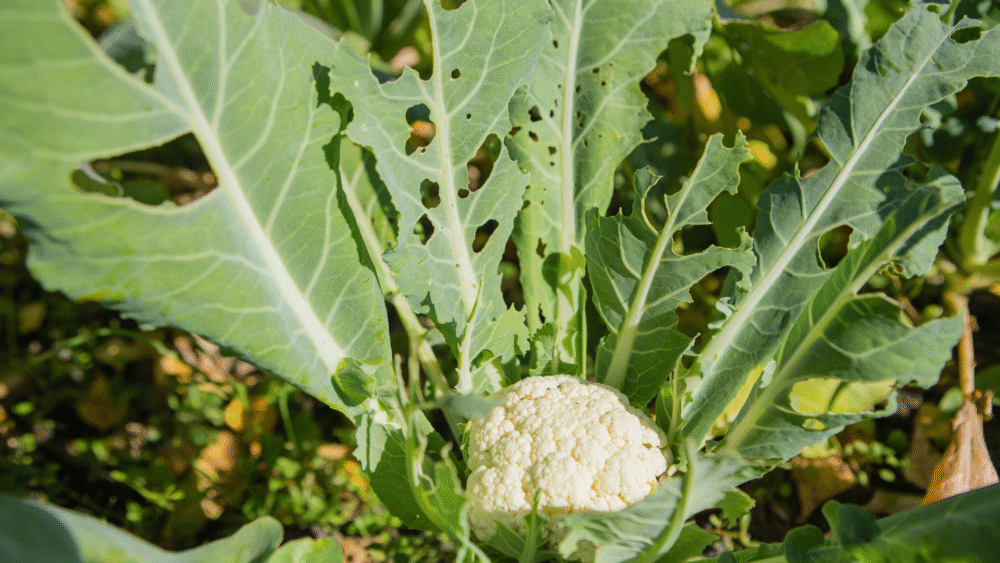
Healthy plants enhance any garden, but common plant diseases can threaten their vitality. Many gardeners face issues such as blight, rust, and aphids, which can damage foliage and stunt growth. Identifying these diseases early and applying the correct treatment can save plants and ensure a thriving garden.
Prevention plays a critical role in managing plant diseases. Regularly checking plants for signs of distress, using resistant varieties, and practicing good sanitation can minimize the risk of outbreaks. Through simple and effective methods, gardeners can protect their green spaces from the most prevalent threats.
Understanding the symptoms of common plant diseases is essential. Treating issues like powdery mildew with fungicides and managing pests through insecticidal soap significantly improves plant health. With the right knowledge and tools, maintaining a flourishing garden becomes achievable for any enthusiast.
Understanding Plant Diseases: Causes and Types
Plant diseases arise from various pathogens that infest crops, leading to diminished health and yield. Understanding these pathogens is crucial for effective prevention and treatment. This section covers the primary types of plant diseases: fungal, bacterial, viral, and those caused by nematodes.
Fungal Diseases
Fungal diseases are among the most common plant ailments. These diseases can manifest as leaf spots, blights, and powdery mildew. Common fungi include Botrytis, rust, and downy mildew. Symptoms may range from wilting and discoloration to the formation of fungal growths on leaves and stems.
Prominent examples include black spot, often seen on roses, and early and late blight, typically affecting potatoes and tomatoes. Effective control measures include enhancing air circulation, applying fungicides, and practicing crop rotation. Preventative measures are essential, as fungal spores can spread rapidly under conducive conditions.
Bacterial Diseases
Bacterial diseases are characterized by a range of symptoms, such as bacterial leaf spot, canker, and bacterial ooze. They often thrive in warm, moist conditions and can spread through infected tools or splashing water. Key pathogens include Erwinia and Pseudomonas.
Examples like fire blight affect apple and pear trees, while bacterial speck impacts tomatoes. Management strategies involve improving drainage, using resistant plant varieties, and applying appropriate bactericides. Quarantine measures can help contain outbreaks in affected areas.
Viral Diseases
Viral diseases can severely impact plant health, leading to stunted growth and reduced yields. Viruses can cause symptoms such as mosaic patterns, curling leaves, and yellowing. Common types include the cucumber mosaic virus and curly top virus.
Transmission often occurs via insect vectors like aphids and whiteflies. Due to the difficulty in treating viral infections, prevention is key; employing resistant varieties and controlling insect populations are critical strategies. Infected plants should be removed to prevent further spread.
Diseases Caused By Nematodes
Nematodes, particularly root-knot nematodes, are microscopic roundworms that can cause significant damage to plant roots. Symptoms include stunted growth, yellowing leaves, and root galls. These parasitic nematodes can disrupt nutrient and water uptake.
Management options include crop rotation, soil solarization, and the use of resistant varieties. Nematode control measures are vital since these pests can persist in the soil and affect subsequent crops. Monitoring soil health regularly can also aid in early detection and management strategies.
Symptoms and Diagnosis of Common Plant Diseases
Identifying plant diseases early is crucial for effective treatment and maintaining plant health. Recognizing visual signs and understanding disease progression aids in accurate diagnosis.
Visual Signs of Infection
Visual symptoms are the primary indicators of plant disease. Common signs include:
- Leaf Spots: These can indicate various issues. For instance, gray leaf spot or black spot often presents as dark lesions.
- Canker: Visible sunken areas on stems or branches suggest canker diseases, often leading to dieback.
- Wilting: Affected plants may show signs of wilting, often caused by root rot or systemic infections.
Other notable signs include yellowing leaves, as seen in yellow leaf curl, and patches of mildew, which may indicate downy mildew.
Proper observation allows for a quicker response and improves the chances of successful treatment.
Disease Progression and Spread
Understanding how diseases spread helps in managing outbreaks. Many fungal diseases, such as early blight and late blight, proliferate in humid conditions.
Pathogens flourish when plants are overcrowded, highlighting the importance of proper spacing.
Bacterial diseases, like bacterial spot, can spread rapidly through water or wind, while viral diseases often require insect vectors for transfer.
Timing is critical; early detection minimizes the potential for widespread infection, thus safeguarding other plants and crops.
Distinguishing Between Fungal, Bacterial, and Viral Infections
Accurate diagnosis involves differentiating among infection types. Fungal infections commonly show discrete symptoms such as leaf spots or powdery mildew.
Bacterial diseases exhibit water-soaked lesions, while viral infections may cause overall leaf distortion and color changes. Recognizing these patterns is vital for treatment.
Some plants may have disease-resistant varieties that can mitigate the impact. Knowledge of host-pathogen interactions is essential for selecting appropriate controls.
Testing with isolation methods can confirm infections, guiding effective plant disease control measures.
Treatment and Prevention Strategies
Effective management of plant diseases in a home garden involves a mix of cultural practices, chemical solutions, and the use of resistant varieties. Implementing these methods can enhance plant health and minimize the chance of disease.
Cultural and Environmental Controls
Cultural practices play a critical role in preventing diseases. Sanitation is essential; removing dead plant debris can limit pathogen buildup. Regular garden hygiene, including cleaning tools and pots, reduces disease spread.
Proper space between plants improves air circulation, which helps keep foliage dry and reduces fungal diseases. Ensuring well-draining soil and maintaining optimal soil pH contribute to plant vigor. Additionally, implementing crop rotation can disrupt disease cycles and limit pathogen exposure.
Mulching conserves soil moisture and suppresses weeds, reducing competition and potential pest habitats. Good weed control is necessary, as weeds can harbor diseases. Monitoring watering practices to prevent overwatering is crucial, as stagnant water can promote root rot and other soil-borne diseases.
Chemical and Organic Solutions
Chemical treatments can effectively address persistent pests and diseases. Fungicides are useful for treating fungal infections, while insecticides can manage insect-related issues. Applying these sprays at the right intervals enhances effectiveness.
Organic solutions, such as neem oil and potassium bicarbonate, provide environmentally friendly alternatives and can be effective against a wide range of diseases. When using any chemicals, following the manufacturer’s instructions is vital for safety and efficacy.
In some cases, a combination of chemical and organic methods may yield the best results. Regular monitoring and timely intervention can be crucial in minimizing damage.
Utilizing Resistant Varieties and Healthy Transplants
Choosing disease-resistant cultivars is one of the most effective strategies for prevention. These varieties are bred to withstand specific pathogens, improving overall garden resilience. It is beneficial to research which varieties are best suited for specific plant diseases.
Incorporating healthy transplants ensures that plants begin their life cycle free from disease. Inspecting seedlings for signs of disease before planting helps avoid introducing pathogens into the garden. Purchasing transplants from reputable sources also minimizes disease risk.
Additionally, selecting plants that are suited to the climate and soil conditions can reduce stress on the plants and decrease vulnerability to diseases.
Promoting Long-Term Plant Health
Maintaining long-term plant health is essential for thriving home gardens. Implementing effective maintenance practices, vigilant monitoring, and addressing soil and nutrient issues can lead to robust and resilient plants.
Maintenance Practices for Healthy Plants
Regular garden hygiene is crucial for preventing plant diseases. This includes removing dead plant material and debris, as they can harbor pathogens. Sanitation practices, such as sterilizing tools, further protect plant health.
Proper watering techniques play a significant role in maintaining healthy plants. Overwatering can lead to root rot, while underwatering can cause stress. A schedule that considers weather conditions and plant needs is beneficial.
Lastly, planting disease-resistant cultivars can help mitigate future problems. Pairing these plants with mulch enhances moisture retention and temperature regulation, promoting a better growing environment.
Monitoring and Early Detection
Regular inspections of plants are vital for identifying early signs of disease. Leaves, stems, and the soil should be checked for any abnormalities or pests. Early detection allows for prompt action, reducing the risk of spread.
Gardeners should keep a record of any observed changes. Noting conditions and treatments aids in understanding plant health trends. This data can guide future gardening decisions.
Setting up a routine for monitoring different plant types ensures that issues are caught early. Consider investing in a magnifying glass or digital camera to help spot small pests and diseases.
Addressing Nutrient and Soil Issues
Soil quality significantly impacts plant health. Ensuring well-draining soil prevents waterlogging and promotes healthy root systems. Regular testing of soil pH is important, as optimal pH levels vary by plant species.
Addressing nutrient deficiencies can involve adding organic matter, such as compost. This practice enhances soil structure and provides essential nutrients. Fertilizers, if needed, should align with the specific nutritional requirements of the plants.
Weed control is another important factor in maintaining plant health. Weeds compete for nutrients and moisture, so keeping them in check leads to healthier plants. Regular weeding and mulching can effectively minimize their presence.