
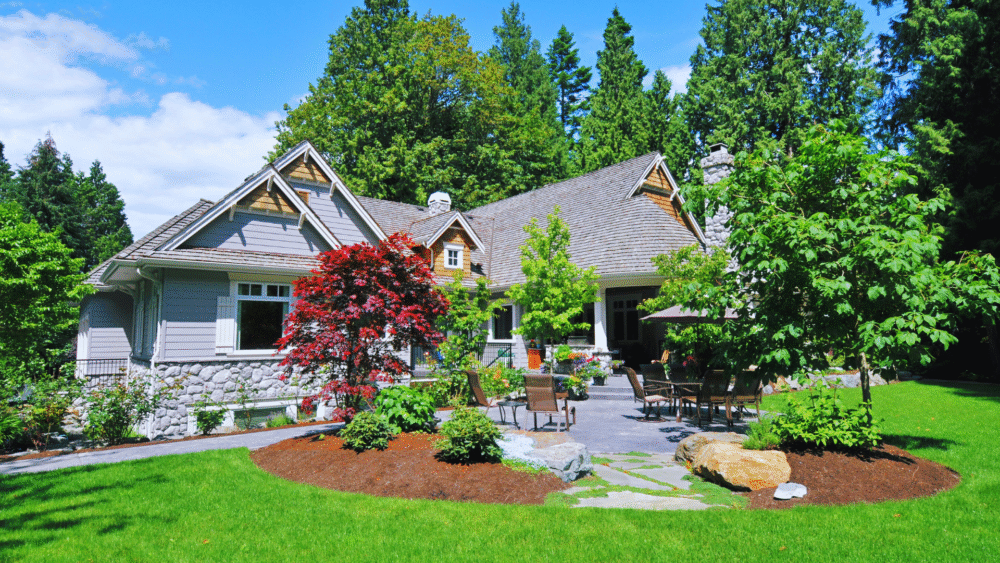
Transforming outdoor spaces on a budget is a common challenge faced by many homeowners. By prioritizing DIY projects, utilizing native plants, and implementing smart cost-cutting strategies, anyone can create a beautiful landscape without overspending. Simple changes can have a considerable impact, making a yard not only visually appealing but also more functional.
Investing time in researching plants that thrive in the local climate can lead to significant savings. By choosing perennials over annuals, for instance, one can enjoy long-lasting color and texture without the need for constant replacement. Additionally, incorporating mulch and compost enhances soil health while reducing the need for expensive fertilizers.
Creative design hacks, like upcycling materials or creating distinct garden zones, can also elevate the overall look without breaking the bank. With thoughtful planning and a little creativity, anyone can achieve a stunning landscape that reflects personal style while staying within budget.
Essential Budget-Friendly Landscaping Principles
Effective landscaping starts with thoughtful planning and smart use of resources. By taking the time to understand your outdoor space, setting a realistic budget, and focusing on key design elements, you can create a beautiful garden without unnecessary expenses. Many people also turn to low-maintenance options like artificial grass to keep their outdoor areas looking tidy and green all year long. If you’re considering this upgrade, there are plenty of quality choices for artificial grass doncaster or in areas nearby that can help you achieve a polished, hassle-free finish.
Assessing Your Outdoor Space
Understanding the existing features of the outdoor space is crucial. This involves evaluating aspects such as terrain, climate, and sunlight access. A detailed assessment can reveal natural advantages that could influence design choices.
Key considerations include:
- Soil Quality: Testing soil pH and nutrients helps determine suitable plants.
- Sun and Shade Areas: Identifying sun-soaked spots versus shaded areas will guide plant selection.
- Drainage Issues: Understanding water flow can help in creating functional landscapes.
Documenting these aspects allows for informed decision-making and efficient use of resources.
Setting a Realistic Landscaping Budget
Creating a realistic budget is vital for a successful landscaping project. This involves not only planning for immediate expenses but also considering long-term maintenance costs. A detailed breakdown can help ensure financial accountability.
Budgeting steps include:
- Listing All Potential Costs: Include materials, labor, and unexpected expenses.
- Researching Local Prices: Obtain quotes from local suppliers to gain insight into material costs.
- Allocating Funds: Determine how much can be spent on different landscape elements like plants, hardscaping, and maintenance.
This structured approach minimizes the risk of overspending and ensures effective use of available resources.
Prioritizing Key Landscape Design Elements
Focusing on essential design elements enhances the landscape’s overall appeal. Prioritizing features can lead to a thoughtful, cohesive design without unnecessary expenses.
Important elements to consider:
- Focal Points: Incorporating a focal point, such as a unique plant or decorative feature, draws attention and adds visual interest.
- Pathways: Creating cost-effective pathways using materials like gravel or mulch improves accessibility and structure.
- Plant Selection: Opting for native plants can reduce costs since they typically require less water and maintenance.
By concentrating on these elements, one can achieve a polished look while adhering to a budget.
Low-Cost Techniques to Boost Curb Appeal
Improving curb appeal can significantly enhance a property’s attractiveness without a large investment. Implementing practical techniques like creating inviting walkways, enhancing front doors and planting, adding inexpensive lighting, and maximizing small yard spaces can make a substantial difference.
Another effective way to elevate your outdoor space is by upgrading or replacing old patios with durable, well-designed concrete surfaces. A fresh concrete patio not only provides a clean, functional area for entertaining and relaxation but also complements your landscaping, creating a cohesive look. Opting for a professional service ensures precise installation, long-lasting quality, and a polished finish that enhances the overall appeal of your home. Homeowners seeking this improvement can explore services offered by a trusted concrete patio replacement provider for the best results.
Creating Inviting Walkways
Walkways serve as the first impression of a home and can be easily upgraded. Using materials such as gravel, mulch, or pavers can create a stylish path.
- Gravel is cost-effective and allows for good drainage.
- Pavers can be arranged in unique patterns for a personalized touch.
Adding border plants or solar lights along walkways increases visual appeal at night. Regular maintenance like edging and weeding keeps walkways looking pristine.
Simple Front Door and Foundation Planting Improvements
A front door makeover can greatly influence curb appeal. A fresh coat of paint in an inviting color sets the tone for the home.
- Pair this with a new doormat and decorative hardware for a cohesive look.
Foundation planting should be practical and visually appealing. Low-maintenance shrubs like boxwoods or colorful perennials can frame the house nicely.
Adding outdoor decor, such as planters filled with seasonal flowers, adds charm and warmth.
Adding Landscape Lighting
Landscape lighting enhances the aesthetics of a home during the evening hours. These features can illuminate walkways and highlight key focal points.
- String lights can add a festive touch to porches or patios.
- Consider using spotlights to draw attention to trees or architectural elements.
This updated lighting not only improves safety but also creates a warm, inviting atmosphere after dark. Moreover, working with an experienced landscape lighting installer can help ensure the design is cohesive, properly installed, and tailored to the home’s unique layout.
Maximizing Small Yards
Small yards can still boast great curb appeal through clever planning. Utilizing vertical gardening techniques allows homeowners to add greenery without occupying much ground space.
- Hanging planters and wall-mounted pots can create a lush effect.
- Small patios or decks can serve as cozy outdoor living spaces.
Incorporating multifunctional furniture, such as benches with storage, can optimize space. Use colorful accessories to create focal points and draw the eye, making the area more inviting.
Affordable Plant Selection and Garden Ideas
Cost-effective landscaping can be achieved through thoughtful choices in plants and garden structures. By selecting the right types of perennials, utilizing groundcover and mulch, incorporating raised beds and trellises, and considering xeriscaping, anyone can create a beautiful yard without overspending.
Choosing Perennials and Flowering Shrubs
Perennials and flowering shrubs are excellent choices for a budget-friendly garden. They return year after year, reducing the need for replanting. Some affordable options include daylilies, coneflowers, and sedums, which offer vibrant colors and varying heights.
Flowering shrubs like weigela and ninebark provide both beauty and structure. Selecting native species can further lower maintenance costs as these plants are adapted to the local climate and require less water. Planting in groups enhances their visual impact and encourages pollinators, making yards lively and colorful.
Utilizing Groundcover and Mulch for Low Maintenance
Groundcover plants serve multiple purposes, including soil stabilization and weed suppression, reducing long-term maintenance. Options like creeping thyme and sedum are economical choices that thrive in various conditions.
Incorporating a layer of mulch not only controls weeds but also retains soil moisture. Mulch can be organic, such as wood chips or bark, or inorganic, like gravel. The investment in mulch pays off by minimizing the need for frequent watering and weeding, resulting in lower upkeep costs.
Incorporating Raised Beds and Trellises
Raised beds can greatly enhance garden aesthetics while improving soil drainage. They can be constructed from economical materials like reclaimed wood or cinder blocks. These beds allow for better control of soil quality and make gardening more accessible.
Trellises are a practical addition for vertical gardening, particularly for vining plants such as peas and beans. They maximize limited space and can be crafted from simple materials like bamboo stakes or wire. This structure adds visual interest and can support crops effectively.
Exploring Xeriscaping for Water Efficiency
Xeriscaping focuses on water-efficient landscaping, making it an ideal option for budget-conscious gardeners in arid climates. Plants selected for xeriscaping are typically drought-resistant, reducing the need for irrigation.
Utilizing native shrubs and trees helps promote local wildlife and requires less care. Incorporating elements like rocks, xeriscape grass, and permeable pathways enhances both beauty and functionality. This approach saves water and maintenance costs while creating a sustainable garden environment.
Sustainable Maintenance and Enhancement Tips
Effective landscaping involves ongoing maintenance and enhancement solutions that are eco-friendly and budget-conscious. Readers will find practical advice on maintaining a green lawn, strategies for long-term upkeep, creative landscaping textures, and cost-effective retaining wall options.
Practical Lawn Care for a Green Lawn
Maintaining a healthy, vibrant lawn requires more than just mowing and watering; it demands consistent care and attention to both soil and nutrients. In addition to regular trimming, professional lawn care fertilization plays a crucial role in promoting thicker, greener, and more resilient grass. By strengthening the roots, reducing patchy areas, and providing essential nutrients, fertilization can ensure that your lawn not only survives but thrives throughout the year.
Mowing Tips:
- Keep blades sharp to prevent tearing.
- Adjust the height based on the season; higher grass in summer helps retain moisture.
Watering Guidelines:
- Water deeply but infrequently. Aim for 1 inch per week.
- Use a rain gauge to monitor water output.
Fertilization:
- Choose slow-release fertilizers. They feed the lawn gradually.
- Apply in early spring and fall for best results.
Simple Long-Term Maintenance Strategies
Implementing long-term maintenance strategies can keep landscaping costs down. Regular maintenance tasks can prolong the life of plants and materials.
Mulching:
- Use organic mulch to retain moisture and suppress weeds.
- Spread a 2-3 inch layer around plants.
Pruning:
- Regularly prune trees and shrubs to promote healthy growth.
- Remove dead or diseased branches promptly.
Soil Health:
- Test soil pH and nutrient levels yearly.
- Amend as needed with compost or natural fertilizers.
Creative Use of Texture and Landscaping Materials
Incorporating various textures into landscaping can enhance visual appeal without a high cost. Mixing materials provides interest and can improve functionality.
Textured Alternatives:
- Combine stone, bark, and wood for pathways and beds.
- Use gravel for pathways; it’s affordable and effective for drainage.
Plant Varieties:
- Choose plants with varied leaf shapes and sizes.
- Incorporate ornamental grasses for movement and texture.
Layering Techniques:
- Layer plants by height, placing taller ones at the back for depth.
- Use ground cover plants in sunny areas to create a lush look.
Budget-Savvy Retaining Wall Solutions
Retaining walls can prevent erosion while adding aesthetic value. Choosing budget-friendly options is vital for cost-conscious landscapers.
Material Choices:
- Use natural stone or reclaimed bricks for an attractive appearance.
- Consider concrete blocks for a more structured, easy-to-build wall.
DIY Construction:
- Build retaining walls without professional help by following clear guidelines.
- Research local regulations regarding wall height and permits.
Design Ideas:
- Integrate terraced designs to reduce costs and create interest.
- Include built-in planter boxes to enhance functionality and beauty.