
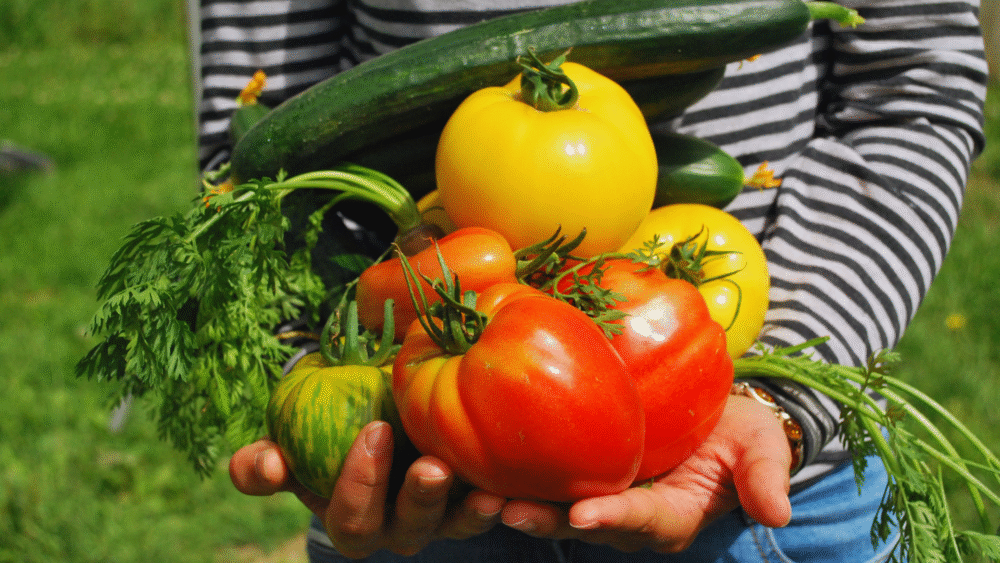
Growing vegetables can be a rewarding experience, especially for beginners looking to cultivate their own food. The best vegetables to grow for beginners are those that are easy to manage and have a high yield, such as radishes, lettuce, and tomatoes. These options not only thrive in various environments but also provide quick results, boosting the gardener’s confidence.
Starting with vegetables that germinate and grow quickly encourages new gardeners to stay engaged. Radishes, for instance, can be harvested in as little as three to four weeks, making them ideal for novice growers. Tomatoes, while slightly more demanding, offer a bounty of fresh produce that can inspire further gardening efforts.
Selecting the right vegetables can simplify the gardening journey, allowing beginners to focus on enjoying the process. By choosing hardy varieties that resist pests and diseases, they can maximize their success and satisfaction in their budding gardening pursuits.
Essential Tips for Beginner Vegetable Gardeners
Starting a vegetable garden can feel daunting for beginners, but there are key practices that can help ensure success. Knowing where to plant, how to prepare the soil, and understanding the timing of planting are essential.
Choosing the Right Location
Location significantly impacts the growth of vegetables. A sunny spot that receives at least 6-8 hours of direct sunlight daily is ideal. If possible, choose a location with good air circulation, which helps prevent diseases.
Accessibility is also crucial. The garden should be easy to reach for regular maintenance, like watering and harvesting. It’s beneficial to observe the area throughout the day to identify the sunniest spots and notice any potential shade from nearby trees or buildings. Furthermore, if your ideal garden site is near a property boundary, you may need to install or repair a perimeter to protect your crops from pests or wind. In such cases, consulting with Nottingham fencing contractors, or those from elsewhere, can help design a secure and professional boundary that improves the garden’s privacy while ensuring it receives the necessary light.
Preparing and Improving Your Soil
Healthy soil is vital for vegetable gardening. Start by testing the soil pH; most vegetables thrive in a pH of 6.0 to 7.0. Incorporate organic matter such as compost to improve soil fertility. Composting not only enriches soil but also improves its structure and moisture retention.
Creating a compost pile can provide a continuous supply of rich organic material. Additionally, cover the soil with mulch to retain moisture and suppress weeds. Organic mulches, like straw or wood chips, gradually break down and can enhance soil quality as they decompose.
Understanding Planting Dates and Seasons
Knowledge of planting dates ensures vegetables grow during their optimal seasons. Most regions have a frost-free period, which is critical for planting. Beginners should start with seeds or seedlings suitable for spring planting if temperatures are still cold.
For fall planting, choose crops that can withstand cooler temperatures. Timing can vary based on local climate conditions, so referring to a gardening calendar specific to the area can be highly beneficial. Regularly monitoring soil temperature can also guide when to plant seeds for best results.
Best Vegetables to Grow for Beginners
Beginning a vegetable garden can be a rewarding experience. Choosing the right vegetables is crucial for new gardeners seeking success and enjoyment. The following sections highlight some of the best options, tailored for first-time growers.
Easy Leafy Greens for First-Time Gardeners
Leafy greens represent a strong choice for beginners due to their quick growth and minimal requirements. Varieties such as lettuce, spinach, and chard thrive with little maintenance.
- Lettuce: Fast-growing and ideal for cooler months. It can be harvested multiple times by trimming the outer leaves.
- Spinach: Another cool-season favorite, it tolerates partial shade. Sow seeds directly into the garden for the best results.
- Kale: This resilient green can grow in various conditions, and its flavor improves after a frost.
- Mustard greens: Known for their spice, they grow quickly and can add a kick to salads.
A mix of these leafy greens can ensure a continuous harvest throughout the growing season.
Simple Root Vegetables to Start With
Root vegetables are excellent for beginner gardeners, offering both ease of cultivation and substantial yields.
- Carrots: Require well-drained soil but can thrive in small spaces. They take longer to mature but provide a rewarding crunch.
- Radishes: Fast-growing and perfect for early spring planting. They can be harvested just a month after sowing.
- Beets: These are dual-purpose, providing both roots and greens. They grow best in rich soil with adequate moisture.
- Onions: Planting sets is easier than starting from seeds. Onions require little maintenance and can be harvested in various stages.
These root vegetables can flourish in a variety of soils and conditions, making them accessible for novices.
Beginner-Friendly Fruiting Vegetables
Fruiting vegetables may seem more complex, but there are several easy options tailored for beginners.
- Tomatoes: Popular and versatile, tomatoes can be grown in beds or containers. Choose determinate varieties for easier care and harvesting.
- Zucchini: Known for high yields, zucchini needs space but provides ample fruit throughout summer. Regular harvesting encourages more growth.
- Cucumbers: These thrive in warm weather and can be trellised to save space. Select varieties suited for small gardens.
- Peppers: Both sweet and hot peppers are simple to grow. They prefer warm, sunny locations and well-draining soil.
These fruiting vegetables can provide a bountiful harvest with proper care and attention.
Low-Maintenance Herbs and Perennials
Herbs can enhance any beginner garden with their flavors and fragrances. They also require minimal maintenance.
- Basil: Thrives in warm weather and needs full sun. Regular harvesting encourages bushier growth.
- Chives: A perennial favorite, chives return each year and require little effort to maintain.
- Sage: This hardy herb can withstand varied conditions and adds flavor to numerous dishes.
- Oregano and Thyme: Both are drought-tolerant and aromatic. These can be easily grown in containers or in garden beds.
Incorporating herbs into the vegetable garden can provide both culinary benefits and ease of growth for new gardeners.
Planting and Growing Techniques for Success
Successful planting and growing require attention to seed starting, proper watering and fertilization, and adequate spacing for plants. These techniques can significantly enhance germination rates and overall plant health.
Seed Starting and Transplant Care
Seed germination is a crucial process in gardening. It is essential to start seeds indoors, especially for those with longer days to maturity. Use seed trays or small pots filled with seed-starting mix. Maintain moisture without overwatering. Cover the seeds lightly and use a humidity dome or plastic wrap to retain moisture until germination occurs.
Once seedlings have two sets of true leaves, they should be thinned to prevent overcrowding, ensuring they have room to grow and develop strong roots. Transplanting requires careful handling to avoid stressing the plants. Gently remove seedlings and place them into larger pots or the garden when the outdoor conditions are favorable, often after the last frost date.
Watering, Fertilizing, and Mulching Strategies
Watering is vital for young plants. They should receive consistent moisture, especially during germination. A watering schedule that allows the top inch of soil to dry out between waterings encourages deep root growth.
Fertilizing should be done with a balanced fertilizer that provides essential nutrients. Applying a diluted fertilizer every few weeks helps sustain growth. Additionally, using mulch around plants can conserve moisture, suppress weeds, and regulate soil temperature. Organic materials like straw or shredded leaves work well.
Plant Spacing and Air Circulation
Proper plant spacing is crucial for ensuring good air circulation. Crowded plants can lead to higher humidity levels, which encourages diseases. The ideal spacing depends on the type of vegetable, but a general guideline is to refer to seed packets for specific instructions.
Transplants should be spaced according to their mature size. Following spacing recommendations helps avoid plants competing for nutrients and light. Utilizing floating row covers can also provide added protection while improving air flow, further promoting healthy growth.
Harvesting, Preservation, and Garden Maintenance
Proper harvesting techniques, preservation methods, and diligent garden maintenance are vital for a successful vegetable garden. Understanding these elements ensures that the yield is maximized while minimizing losses to pests and diseases.
When and How to Harvest
Timing is crucial for harvesting vegetables. Each type of vegetable has specific maturity indicators. For instance, leafy greens can be harvested when they reach a desirable size, typically after 4-6 weeks. Root vegetables, such as carrots and radishes, are best harvested when they reach the desired diameter.
To harvest, one should use clean tools to avoid spreading diseases. Pulling or cutting the vegetables gently helps to prevent damage. Checking regularly encourages the gardener to identify the perfect time for harvesting.
Preserving Your Vegetables
Preservation extends the life of harvested vegetables. Common methods include canning, freezing, and dehydrating. Canning requires sterilized jars and proper techniques, ensuring the safe storage of low-acid vegetables.
Freezing is an easy method, with many vegetables needing blanching first to preserve quality. Proper packaging is essential to prevent freezer burn. For long-term storage, consider dehydrating vegetables. This method has minimal preparation and effectively extends shelf life, making it a suitable option for beginners.
Managing Pests and Diseases
Integrated pest management is key to protecting a vegetable garden. Regular monitoring for cutworms, flea beetles, and rust flies can prevent infestations. Early detection often allows for effective control methods, such as introducing beneficial insects or applying organic pesticides.
Opting for disease-resistant varieties can reduce the chances of fungal diseases, which often thrive in humid conditions. Practices like crop rotation and maintaining proper spacing between plants can mitigate the risk of disease spread. Keeping the garden clean and well-maintained is crucial for preventing infestations and ensuring a bountiful harvest.