
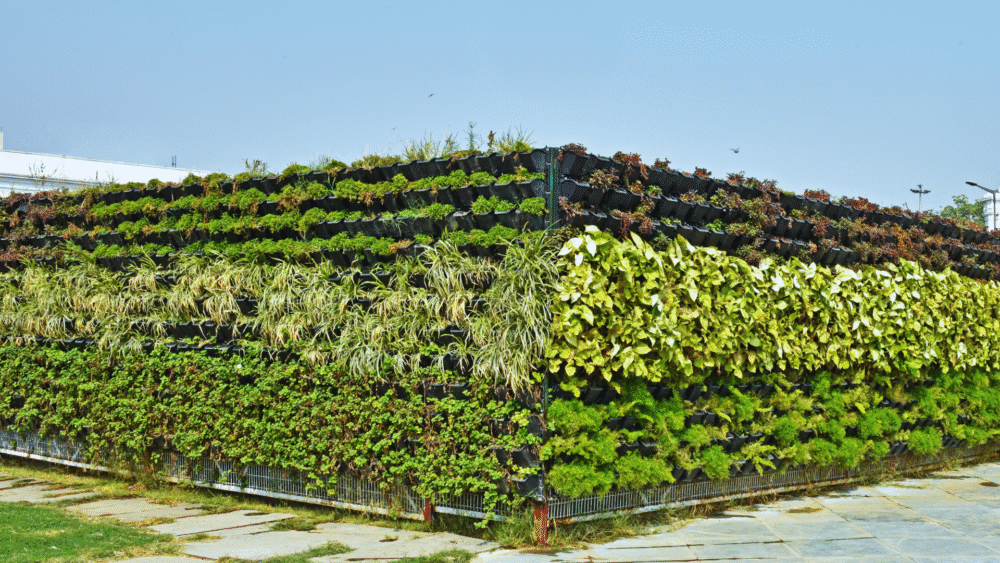
Vertical gardens are an innovative way to maximize space and bring greenery into urban environments. These gardens not only enhance aesthetics but also improve air quality and create a calming atmosphere. The best plants for vertical gardens include herbs like basil and mint, leafy greens such as lettuce and spinach, as well as flowering plants like nasturtiums and petunias.
Choosing the right plants is crucial for the success of a vertical garden. Plants that thrive in vertical spaces often have the ability to climb or cascade, making them ideal for small areas. By selecting a mix of colorful flowers, fragrant herbs, and lush greens, one can create a visually appealing and functional garden.
Vertical gardening can transform dull walls and fences into vibrant displays of life. From small balconies to expansive walls, the possibilities are endless. Understanding the best plants for vertical gardens allows one to tailor their choices to fit their specific environment and personal taste.
Key Considerations When Choosing Plants for Vertical Gardens
Selecting the right plants for vertical gardens involves attention to light and watering needs, soil and drainage requirements, and growth habits. Each of these factors plays a crucial role in the success of a vertical garden, whether indoors or outdoors.
Light and Watering Requirements
Plants for vertical gardens need to match the available light conditions in the chosen space. For instance, sun-loving plants such as succulents and herbs thrive in bright, direct sunlight. Conversely, shade-tolerant varieties like ferns and certain snake plants prefer indirect light.
Watering is equally critical; vertical gardens often require more frequent irrigation. Factors influencing this include plant type, weather conditions, and garden placement. Implementing a simple irrigation system can help maintain consistent moisture while preventing overwatering, which can harm roots and lead to poor plant health.
Soil and Drainage Needs
Soil choice determines plant success in vertical gardens. A well-draining potting mix is essential as it prevents water retention that can suffocate roots. Mixes that include components like perlite or vermiculite enhance drainage.
Additionally, considering container design for drainage is vital. Plants in vertical setups often experience different moisture levels compared to traditional gardens. Ensuring adequate drainage holes in pots is crucial to avoid water buildup, especially in small spaces where soil saturation can cause significant issues.
Plant Growth Habits
Understanding each plant’s growth habit is vital for effective vertical gardening. Some plants spread horizontally, while others grow upright. Tall, climbing plants like peas or morning glories are ideal for vertical support structures, while trailing plants such as ivy can soften vertical surfaces.
The size and growth rate also matter. Fast-growing plants can quickly fill space, adding immediate visual impact. However, slower-growing options may better suit those who prefer lower maintenance. Selecting appropriate plants based on intended visual effects and maintenance levels contributes to a thriving vertical garden, optimizing outdoor and indoor spaces alike.
Top Plant Types for Vertical Gardens
Selecting the right plants for vertical gardens can enhance both aesthetics and functionality. Some plants thrive in vertical arrangements, making them excellent choices for creating lush and vibrant spaces.
Climbing Vegetables
Climbing vegetables are ideal for vertical gardens, offering both beauty and productivity. Tomatoes, cucumbers, and pole beans are excellent options.
- Tomatoes: Indeterminate varieties can grow tall, reaching up to 6 feet.
- Cucumbers: They require a trellis to support their climbing vines.
- Pole Beans: These fast-growing plants provide a bountiful harvest and can enhance vertical space effectively.
Using these vegetables can also improve air quality while maximizing limited space. Gardening with climbing vegetables provides accessible harvesting and vertical aesthetics.
Flowering Selections
Flowering plants add color and vibrancy to vertical gardens. Clematis, hops, and passionflower are outstanding choices for such arrangements.
- Clematis: This plant has diverse varieties, offering blooms in various colors. It thrives in well-drained soil and partly shaded areas.
- Hops: Known for their vigorous growth, hops can climb up to 20 feet, making them excellent for vertical spaces.
- Passionflower: Not only does it have stunning flowers, but it also produces intriguing fruit.
These flowering selections create stunning visual displays and attract pollinators to the garden.
Ferns and Foliage Plants
Ferns and foliage plants provide a lush, green backdrop in vertical gardens. Nephrolepis (Boston fern) and bromeliads are notable examples.
- Nephrolepis: Known for its feathery fronds, it prefers high humidity and indirect light, making it suitable for indoor vertical gardens.
- Bromeliads: These plants offer eye-catching blooms and can thrive in a variety of conditions, including low-light environments.
Incorporating these ferns enhances the green aesthetic and improves air quality, benefiting indoor and outdoor spaces.
Succulents and Drought-Tolerant Varieties
Succulents and drought-tolerant plants are perfect for low-maintenance vertical gardens. Varieties such as sedum, aloe, and hens-and-chicks are ideal.
- Sedum: This hardy plant requires minimal watering and can thrive in diverse conditions.
- Aloe: A well-known succulent, aloe can also provide health benefits with its medicinal properties.
- Hens-and-Chicks: These charming plants form clusters and are excellent for vertical displays.
These plant types conserve water and require little attention, making them ideal for busy gardeners or arid environments.
Recommended Plants for Successful Vertical Gardens
Choosing the right plants is crucial for a thriving vertical garden. This section highlights specific varieties that excel based on the intended setting, whether indoors or outdoors, and includes options for producing fruits and vegetables.
Best Fruit and Vegetable Choices
For productive vertical gardens, cucumbers, tomatoes, and peas are top contenders. Cucumbers thrive in vertical setups as they can be trained to climb, ensuring better air circulation and reduced diseases. Tomatoes, especially indeterminate varieties, benefit from vertical growth, allowing for sun exposure and easier harvesting. Peas are well-suited for trellises, growing rapidly while providing a sweet harvest. Other excellent options include pole beans and gourds, which also climb effectively and help maximize space. Additionally, strawberries can flourish in vertical arrangements, offering delightful fruit while enhancing aesthetics.
Ideal Plants for Indoors
Indoor vertical gardens can be visually appealing and improve air quality. Plants like pothos, spider plants, and various green wall species excel in such settings. Pothos is particularly resilient and adapts well to low-light conditions, making it ideal for indoor setups. Spider plants are also forgiving and thrive in a range of environments. Air plants and succulents can be integrated for diversity, providing a modern look while requiring minimal maintenance. These plants benefit indoor spaces, creating a calming atmosphere while being functional.
Optimal Species for Outdoor Walls
Outdoor vertical gardens require robust plants that can withstand varying weather conditions. Grapes not only add beauty but also produce delicious fruit, perfect for trellising. Melons can be trained to grow vertically if given proper support. Climbing roses and other flowering vines like clematis provide decorative appeal alongside functional benefits. Additionally, hardy herbs such as thyme and oregano can thrive in outdoor vertical gardens, offering both flavor and fragrance. This combination boosts aesthetics while creating productive spaces.
Design Ideas and Maintenance Tips for Vertical Gardens
Implementing effective design techniques and maintenance strategies enhances the success of vertical gardens. This section explores creative structures, efficient watering solutions, and methods to improve privacy and air quality.
Creative Planting Structures and Arrangements
Vertical gardens can employ various creative structures, from trellises to gutter gardens. Trellises allow climbing plants to ascend, maximizing vertical space. Using a gutter garden is practical for small areas, where plants can thrive in sections of repurposed gutters affixed to walls.
Another option includes hanging baskets, which can hold flowering plants or herbs. Arranging plants by color or height creates visual interest. Utilizing window boxes also adds charm. Organize plants with complementary growth requirements to ensure they thrive together.
Watering and Irrigation Solutions
Watering methods play a crucial role in maintaining vertical gardens. An irrigation system offers a consistent and efficient way to provide moisture. Drip irrigation is particularly effective, delivering water directly to plant roots, minimizing waste.
For smaller setups, self-watering containers can manage moisture levels. It is essential to monitor drainage to prevent root rot. Integrating a moisture meter can help gauge when plants require water, ensuring optimal health.
Trellises, Baskets, and Containers
Various options exist for trellises, baskets, and containers tailored to different plants. Metal or wooden trellises can support vigorous climbers, such as beans or peas. Baskets can be hung at varying heights, creating layers of color and texture.
Containers should have adequate drainage holes to allow excess water to escape. Hanging baskets made of breathable materials, like coco coir or fabric, foster healthy root growth and prevent waterlogging. Employing a mix of herbs, succulents, and flowers enhances aesthetic appeal and functionality.
Maximizing Privacy and Air Quality
Incorporating vertical gardens into outdoor and indoor spaces can significantly enhance privacy and air quality. Privacy screens made from tall plants can block unsightly views. Utilizing plants with dense foliage, such as ferns or bamboo, is particularly effective.
These plants also contribute to improved air quality by filtering pollutants. Placing air-purifying species strategically around living areas can naturally enhance indoor freshness. This approach not only ensures beauty but also promotes a healthier environment.