
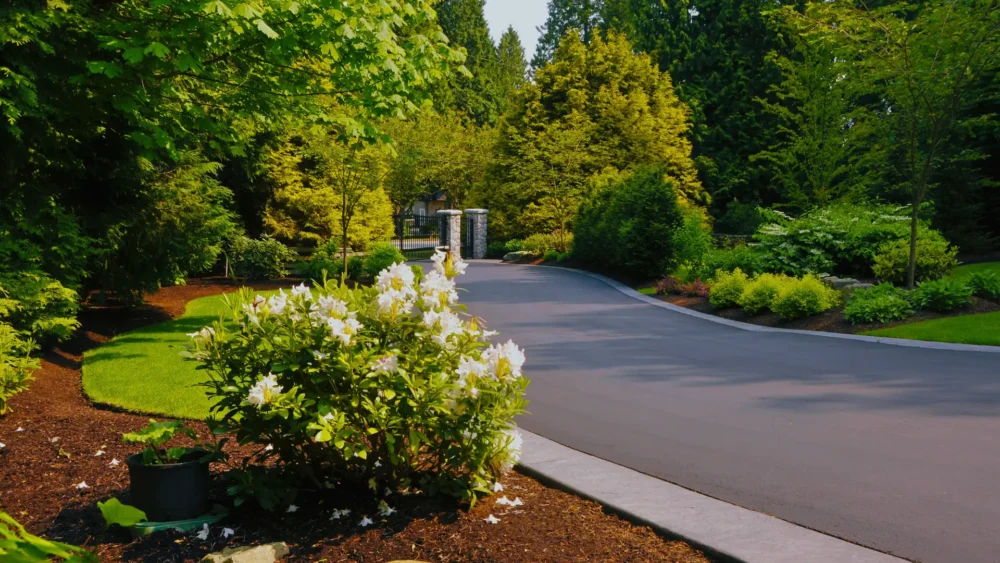
Landscaping is more than just decorating your yard — it’s about shaping an environment that reflects your personality, supports your lifestyle, and enhances your connection with the outdoors. Whether you have a spacious garden, a compact backyard, or a modest patio, thoughtful landscaping can completely transform the space into something beautiful, functional, and uniquely yours.
You don’t need an expensive budget or a professional design team to achieve great results. With a bit of creativity, planning, and inspiration, any outdoor area can become a serene retreat, a lively entertainment space, or a low-maintenance green haven.
Start with Purpose and Vision
Every great outdoor space begins with a clear vision. What do you want from your landscape? Is it a quiet corner to read a book? A lively place to host weekend barbecues? Or maybe a safe space for kids and pets to play?
Understanding how you want to use your space helps guide every design choice — from layout and lighting to plant selection and hardscape features. The goal is to match your landscaping to your lifestyle, so the space feels natural and effortless to enjoy.
Layering and Structure: The Foundation of Great Design
One of the most effective and visually appealing landscaping techniques is layering. This involves arranging plants of varying heights and textures in a structured way that adds depth and interest.
For example:
- Use tall trees or large shrubs as a natural backdrop or privacy screen.
- Follow with medium-height flowering plants or ornamental grasses.
- Finish with low ground covers or creeping plants at the front.
This approach not only looks well-balanced but also creates natural movement and variety in your garden. Combining different textures — smooth succulents, feathery grasses, bold-leaved plants — adds richness and keeps the landscape visually engaging.

Creative Elements That Add Personality
A truly memorable outdoor space often includes creative and unexpected touches that show off your style. These don’t have to be elaborate or costly — just thoughtful. For example, adding Edmonton professional awnings can provide both shade and a polished finish to patios or seating areas. Repurposed items like vintage crates turned into planters, mosaic stepping stones, or even an old ladder used as a vertical garden can add charm and personality. Small upgrades like string lighting or a cozy fire pit can also make the space feel more inviting and complete.
Repurposed planters, such as old wheelbarrows, wine crates, or even vintage bathtubs, add charm and character. Artistic pathways, made from mosaic tiles, stone slabs, or reclaimed wood, can guide visitors through your garden while making a visual statement.
Vertical gardening offers an innovative solution for enhancing outdoor spaces, particularly in smaller areas. Mounting planters on fences, incorporating hanging baskets, or installing living walls can introduce greenery at eye level while optimizing available space. This approach not only adds visual interest but also creates a more dynamic and inviting environment. For a refined finishing touch, consider planters from Plantercraft or other reputable providers that specialize in high-quality, durable designs to complement and elevate your landscape aesthetic.
If you want to make your space feel more serene, a small water feature — like a birdbath, bubbling fountain, or mini pond — can create a calming atmosphere and attract local wildlife.
Smart, Sustainable Landscaping Choices
Today’s landscaping isn’t just about aesthetics; sustainability plays a major role. Making eco-friendly choices not only helps the environment but also saves time and money in the long run.
Start by choosing native plants. These species are naturally adapted to your local climate, meaning they require less water, fewer chemicals, and minimal care. Native plants also support pollinators and local ecosystems.
Consider installing permeable pavers or gravel paths, which allow rainwater to soak into the ground rather than running off. A rain garden — a shallow, planted area designed to collect stormwater — is another smart, sustainable feature that looks great and serves a purpose.
If you live in a dry climate, xeriscaping is a low-water landscaping approach that uses drought-tolerant plants, decorative rocks, and mulch to create beautiful, resilient outdoor areas. Once you’ve planned your design, selecting the right materials can be the next important step. Sourcing high quality, sustainable materials from a local supplier like Labrador Landscape Supplies can make all the difference in the longevity and look of your project.
Small Enhancements with Big Impact
Sometimes, the smallest changes can make the biggest difference. Lighting, for example, is often overlooked but incredibly impactful. Use solar-powered path lights, string lights, or spotlights to highlight trees, walkways, or water features. Good lighting extends the use of your yard into the evening and adds a warm, inviting glow.
Other simple upgrades include adding outdoor furniture, colorful cushions, or even a hammock to create comfort and encourage people to spend more time outside. An outdoor rug can help define a seating area and tie the space together.
Adding seasonal color through flowering plants or container gardens can also bring a fresh feel to your landscape throughout the year. Swap out planters with spring blooms, summer herbs, autumn foliage, or winter evergreens to keep the space feeling lively and fresh.
The Emotional Power of Landscaping
Great landscaping isn’t just a visual upgrade — it can have a real emotional impact. Spending time in a well-designed outdoor space has been linked to reduced stress, improved mood, and increased creativity. Gardens and green spaces also encourage more movement, social interaction, and mindfulness.
Whether you’re sitting under a shady tree, listening to the sound of a bubbling fountain, or picking herbs for dinner from your garden, the benefits of a thoughtfully landscaped space go far beyond looks.
Final Thoughts
Transforming your outdoor area doesn’t have to be overwhelming. Start small, build gradually, and let your personality guide your choices. Whether you lean toward modern minimalism, cottage garden charm, or eco-conscious design, your landscape should be a reflection of how you want to live.
With creative landscaping ideas and a bit of imagination, any outdoor space (big or small) can become a place of beauty, comfort, and inspiration.