
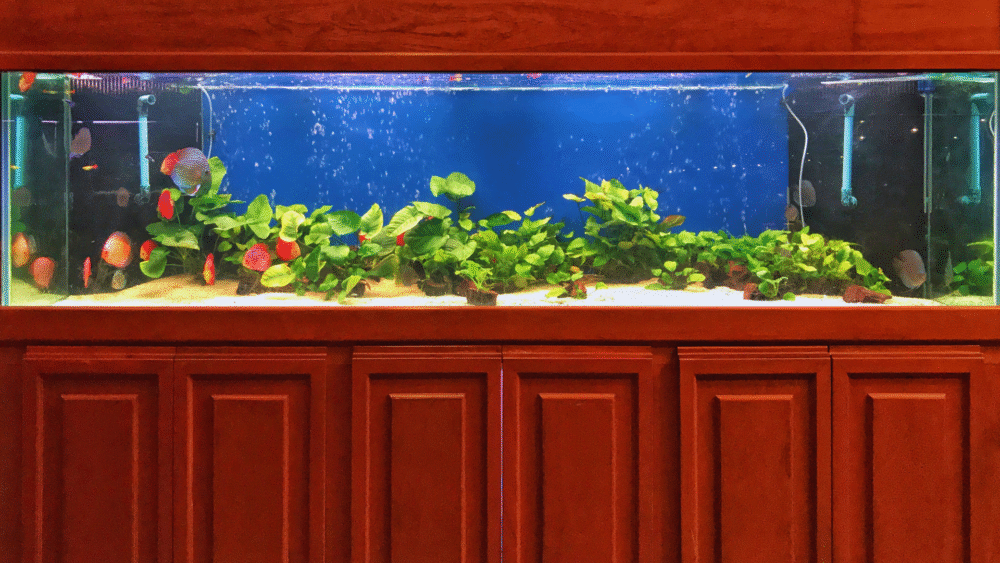
Aquaponics combines aquaculture and hydroponics to create a sustainable farming system that maximizes both food production and resource efficiency. With the right setup, individuals can cultivate fresh vegetables and fish simultaneously, leading to a self-sustaining ecosystem. This innovative approach not only conserves water but also reduces the need for chemical fertilizers, making it an environmentally friendly choice for gardeners and urban farmers alike.
Setting up an aquaponic system may seem daunting at first, but with a structured guide, anyone can create a thriving environment for fish and plants. Essential components include a fish tank, a grow bed, and a pump to circulate water. By understanding the fundamental principles behind these systems, he or she can ensure healthy growth and successful yields.
Aquaponics offers a unique opportunity for those interested in sustainable gardening and innovative food production methods. By harnessing the power of nature, it promotes food security and encourages eco-friendly practices. With a thoughtful setup, individuals can experience the benefits of fresh produce and fish from their own backyard.
Fundamentals of Aquaponics
Aquaponics combines aquaculture and hydroponics to create a sustainable ecosystem. This method utilizes fish and plants in a closed-loop system, making it an efficient way to produce food while minimizing waste.
Understanding Aquaponics
Aquaponics is a method that grows fish and plants together in a symbiotic environment. Fish waste provides an organic nutrient source for the plants, while the plants help filter and purify the water for the fish. This interaction creates a balanced ecosystem, which relies on the nitrogen cycle to convert fish waste into nutrients usable by plants.
Components of an Aquaponic System
An aquaponic system consists of essential components, including:
- Fish Tank: Houses the fish and collects waste.
- Grow Bed: Supports plant growth using various media.
- Plumbing System: Circulates water between components.
- Aeration System: Ensures adequate oxygen for fish and bacteria.
- Water Pump: Moves water through the system.
- Filtration: Removes excess solids and maintains water quality.
Each part plays a critical role in maintaining the health of the ecosystem. Integrating these components seamlessly ensures stability and productivity.
The Role of Fish and Plants
Fish and plants are integral to the aquaponic system’s success. Fish waste, rich in ammonia, is converted by beneficial bacteria into nitrates, which nourish the plants. This nutrient-rich water enhances plant growth, allowing for organic vegetable production.
Plants absorb these nutrients while simultaneously filtering the water, leading to a clean environment for the fish. Maintaining a balanced ratio of fish to plants is crucial for achieving optimal growth and system health.
Designing Your Aquaponic System
Creating an effective aquaponic system requires careful consideration of various elements. Key decisions include selecting compatible fish species, choosing suitable plants, and determining the best system configuration.
Selecting Your Fish Species
The choice of fish is crucial for an aquaponic system. Popular options include tilapia, koi, catfish, goldfish, and trout.
- Tilapia is favored for its fast growth and adaptability to varying water conditions.
- Koi are often chosen for aesthetic purposes but are less efficient in nutrient production.
- Catfish can thrive in warmer waters and are known for their hardiness.
- Goldfish and trout may require specific water temperatures and conditions, which may limit their use.
It is vital to assess factors like system size, water circulation, and temperature when selecting fish. Each species will influence nutrient levels and plant growth.
While freshwater species are the standard for these setups, some advanced hobbyists experiment with marine aquaponics using salt-tolerant plants like samphire. This crossover requires a deep understanding of marine biology and specialized care. Many of the techniques used to maintain stable water parameters in these systems come from the marine aquarium hobby. People who keep saltwater aquarium fish must monitor salinity and mineral levels with high precision. Learning these advanced filtration and monitoring methods can help aquaponic gardeners improve their own setups.
Choosing Plants for Aquaponics
Plant selection should align with the chosen fish type and system conditions. Herbs and leafy greens are popular due to their high nutrient requirements and rapid growth cycle.
- Basil and mint thrive in aquaponic systems and add flavor to dishes.
- Lettuce varieties grow quickly and require less light, making them ideal for beginners.
Certain plants, such as tomatoes and peppers, demand more care and stable conditions. Understanding each plant’s light and nutrient needs helps ensure thriving growth.
System Types and Configurations
Aquaponic systems vary in design and complexity. Common types include:
- Media-Based Systems: Utilize grow beds filled with gravel or clay pellets, supporting bacteria that convert fish waste into nutrients.
- Raft Systems: Feature floating platforms for plants, with roots suspended in nutrient-rich water.
- Nutrient Film Technique (NFT): Involves a thin film of water circulating over plant roots, providing a steady flow of nutrients.
Each configuration affects water circulation, sunlight exposure, and overall system efficiency. This necessitates adhering to principles that ensure balanced relationships between fish and plants.
Setting Up Your Aquaponic System
Creating an efficient aquaponic system involves careful installation of structural components, effective management of water and air, and proper control of lighting and environmental conditions. Each aspect plays a crucial role in ensuring the health of fish and plants within the setup.
Installation of Structural Components
Begin with selecting suitable tools and materials for assembly. Essential components include PVC pipes, fish tanks, and grow beds. The size of the fish tank should depend on the type and number of fish selected.
The grow beds should be positioned above the fish tank. This arrangement allows water to circulate efficiently through the system. Secure all plumbing fixtures to minimize leaks and ensure proper drainage.
When installing, ensure the system is level to facilitate easy water flow. Properly configure the piping for efficient return of water from grow beds back to the fish tank.
Water and Air Management
Water quality is critical in an aquaponic system. Begin with a reliable water source and install a water filtration system to eliminate impurities. Clean water is essential for both fish and plants; therefore, regular testing for pH and ammonia levels is necessary.
In addition to water management, airflow is vital. An air pump should be used to provide adequate aeration and oxygenation for fish. This helps maintain a healthy environment. Ensure the tank is fitted with aeration stones or diffusers to enhance oxygen distribution.
Regular maintenance of water levels and filtration systems contributes to system longevity and productivity.
Lighting and Environment Control
The choice of grow lights is crucial, especially for an indoor aquaponics system. LEDs are recommended for their efficiency and spectrum range. They should simulate natural sunlight while offering the right intensity and duration.
Proper ventilation also plays a significant role in temperature control. Aim for a stable environment, ideally between 70°F and 80°F, to promote plant growth and fish health.
Using natural light can further enhance growth if the setup is in a light-friendly location. Ensure that light fixtures are adjustable to suit various growth stages of plants. Properly control humidity levels to prevent mold and diseases in the system.
Maintenance and Troubleshooting
Regular maintenance and effective troubleshooting are essential for the longevity and productivity of an aquaponic system. These practices ensure optimal conditions for both fish and plants, leading to sustainable food production and high yields.
Daily and Weekly Maintenance
Daily tasks include checking water levels and ensuring the pump is functioning properly. Observing fish behavior can indicate potential issues; lethargy or unusual swimming patterns may signal stress.
Weekly maintenance should focus on monitoring pH levels to maintain a range of 6.8 to 7.2. This is crucial for plant absorption of nutrients. Additionally, inspect the grow bed for any signs of algae or debris that might disrupt water flow. Regularly testing ammonia, nitrite, and nitrate levels helps maintain a balanced ecosystem.
Solving Common Problems
Common problems in aquaponics include nutrient deficiencies, pest infestation, and pump malfunctions. Nutrient uptake can be addressed by adjusting the fish feed; a high-quality, balanced diet promotes healthy fish that contribute nutrients through waste.
If pests appear, consider introducing beneficial insects or using organic methods to manage their populations. For pump issues, ensure there are no blockages and that the system’s electrical components are functional. Regular checks mitigate these problems, supporting a low-maintenance environment.
Optimizing for Growth and Yield
For improved growth and yield, light exposure is critical. Plants typically require 12 to 16 hours of light daily. Floating plant trays can help maximize light for both top and bottom plants.
Efficient water circulation enhances nutrient distribution. Employing a monitoring system can help track parameters such as temperature and oxygen levels, ensuring an ideal environment. Over time, these adjustments lead to faster growth and more abundant fresh produce and fish, supporting sustainable gardening practices.