
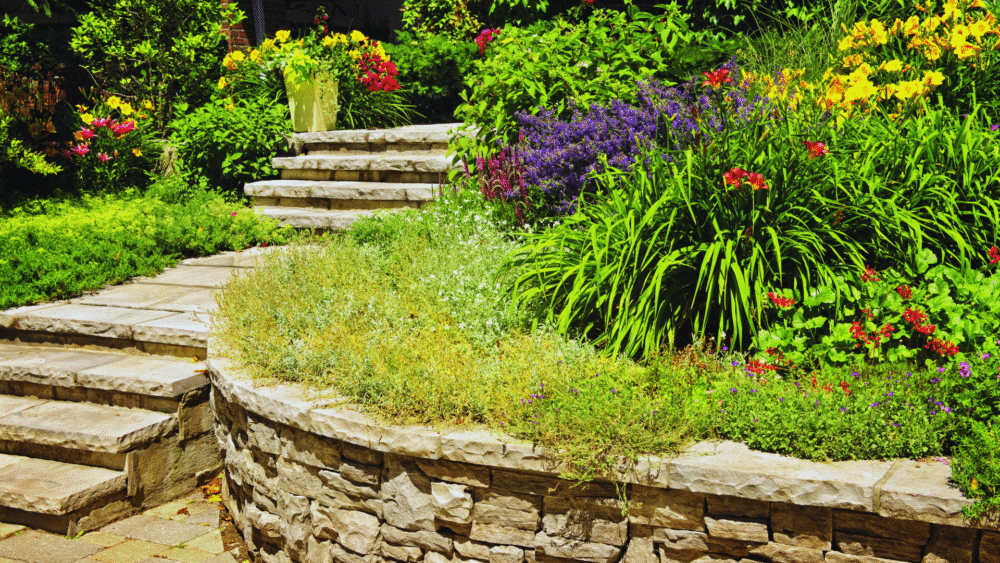
Native plant landscaping transforms outdoor spaces by incorporating indigenous flora that thrives naturally in local environments. This method not only enhances the beauty of a landscape but also supports local ecosystems and promotes conservation efforts. By choosing plants that are native to the region, individuals can create sustainable gardens that require fewer resources, such as water and fertilizers.
Landscaping with native plants fosters biodiversity and attracts beneficial wildlife, including pollinators essential for a healthy ecosystem. These plants often have deep root systems that improve soil health and manage stormwater, reducing erosion and runoff. By making conscious choices to prioritize native species, landscapers contribute to the preservation of regional habitats and the resilience of local wildlife.
As awareness of environmental issues grows, many are seeking effective ways to integrate sustainability into their homes. Native plant landscaping presents an actionable solution that aligns aesthetic desires with ecological responsibility, making it an appealing choice for environmentally conscious individuals.
Benefits of Native Plant Landscaping
Native plant landscaping offers multiple advantages for both the environment and the homeowner. By incorporating local flora, it enhances wildlife habitats, conserves water, and supports overall ecosystem health.
Supporting Local Wildlife
Native plants play a crucial role in sustaining local wildlife populations. They provide food sources for various species, including birds, insects, and mammals. For example, plants like milkweed are vital for monarch butterflies, which rely on them for reproduction.
By aligning landscaping efforts with the needs of local wildlife, homeowners can create habitats that attract beneficial pollinators. Native bees, for instance, thrive in environments where their food plants are plentiful. This, in turn, enhances pollination for local gardens and crops.
In addition to pollinators, birds find shelter and nesting sites in native plants. Planting shrubs and trees that bear fruit supports avian species, ensuring they have resources throughout the seasons. This promotes a balanced local ecosystem.
Conserving Water and Soil
Native plants are adapted to local climate conditions, making them significantly more water-efficient than exotic species. Their deep root systems enable them to access moisture from deeper soil layers, reducing the need for supplemental irrigation.
Furthermore, these plants enhance soil conditions through natural processes. Their roots prevent erosion and improve soil structure, promoting better water infiltration. This contributes to less runoff and reduced drought impact on gardens.
In arid regions, using native plants helps conserve precious water resources. Homeowners can reduce overall water consumption and create low-maintenance landscapes that thrive with minimal input. Choosing appropriate native species ensures resilience even during extreme weather conditions.
Promoting Biodiversity and Ecological Health
A diverse plant palette supports overall biodiversity within an ecosystem. Native plant landscaping increases the variety of species present, which fosters healthier habitats for insects and animals.
This approach can help mitigate the effects of invasive species that often outcompete local plants and disrupt ecosystems. By prioritizing natives, homeowners contribute to the restoration of local flora and fauna.
Additionally, a wider diversity of plants attracts a range of pollinators and beneficial insects. This healthy ecosystem balance is critical for natural pest control and enhancing plant health in gardens. Maintenance becomes easier with a biotic community that can withstand common pests and diseases.
Designing Your Native Landscape
Creating a native landscape requires careful planning and consideration of various factors. Each decision made in designing the garden directly impacts the success of the native plants in the environment. This is why a lot of homeowners reach out to landscaping services locally that will have knowledge of native plants to the area.
Assessing Your Environment
Understanding the local climate and soil type is essential for a thriving native landscape. To assist with this, one can consult a trusted professional to determine the most suitable approach for their specific location. Experienced Landscape design specialists can provide valuable insights into the site’s unique conditions. Factors such as moisture conditions, temperature, and sunlight exposure play significant roles in plant selection.
They should observe existing vegetation and wildlife to identify thriving native species. This helps in recognizing which plants will flourish in similar conditions.
Use resources like the Wild Ones organization, which provides tools for identifying appropriate plants for specific regions. Compile a plant list that considers seasonal changes and local biodiversity.
Choosing Native Plants
Selecting the right native plants involves knowing which species are best suited for the specific garden type. For instance, one could opt for a naturalistic meadow design with wildflowers and grasses or a more structured formal native shade garden.
Consider native perennials and annuals that will provide year-round interest. Selecting plants that attract local pollinators ensures a vibrant ecosystem, supporting bees and butterflies.
Research ensures the selection is not invasive and that the plants are adapted to the local soil and moisture conditions. To achieve the ecological benefits of native plant landscaping, it’s crucial to source a wide variety of species that are regionally appropriate and contribute to local biodiversity. Reputable providers like American Native Plants can offer a range of native trees, shrubs, and herbaceous plants. This availability ensures that every landscaping project can support regional ecological health and sustainability.
Garden Layout and Plant Pairing
The layout of the garden should reflect the intended style while promoting ecological health. Grouping plants in drifts creates a more natural appearance, encouraging a relaxed flow.
Plant pairing is also critical; consider the growth heights and blooming times. Taller plants can provide backdrop support for shorter varieties, optimizing light and space use.
Incorporate features like paths and seating areas, ensuring easy access while enjoying the scenery. Planning for seasonal color changes will keep the garden aesthetically pleasing throughout the year.
Planting and Maintenance Strategies
Effective planting and maintenance of native plants involves careful preparation, vigilance against invasive species, and ongoing care tailored to local conditions. Techniques employed will promote resilience while fostering ecological balance.
Soil Preparation and Planting Techniques
Proper soil preparation sets the foundation for successful native plant landscaping. First, assessing soil conditions is essential. Native plants often thrive within specific pH and nutrient ranges. Conducting a soil test can help identify necessary adjustments.
When planting, incorporate organic matter to enhance soil structure and fertility. Tilling can aerate compacted soil, allowing roots to penetrate more easily. It’s advisable to plant seeds or young plants at the appropriate depth, typically twice the size of the seed or root ball to ensure proper growth.
Native plants should be grouped based on their water and light requirements, which minimizes competition and increases survival rates. Watering immediately after planting helps reduce transplant shock, allowing for better establishment in the new environment. If these tasks sound daunting, consider reaching out to a professional landscaping company like American Grounds Service, for instance, to help with the preparation and planting. It can ensure the native plants can thrive and create a beautiful landscape.
Managing Weeds and Pests
Weeds pose a significant challenge in maintaining native plant landscapes. Regular monitoring helps in the early identification of invasive plants that may compete with natives. Mulching around plants can suppress weed growth and retain soil moisture, thus minimizing the need for herbicides.
Natural pest management strategies can mitigate damage without relying heavily on pesticides. Encouraging beneficial insects, such as ladybugs and lacewings, can help control pest populations. Creating diverse planting arrangements can attract these predators, balancing the ecosystem.
If pest populations become unmanageable, use targeted treatments. Opting for eco-friendly pesticides or organic solutions can prevent harming non-target species and the surrounding environment.
Long-Term Care and Adaptation
Long-term care involves monitoring plant health and adapting to changing conditions. Regular inspections for pests, diseases, or environmental stressors are critical. Observing how plants respond to climate extremes can help inform necessary adjustments.
Irrigation strategies must consider seasonal changes. Utilizing rainwater harvesting systems can enhance sustainability and ensure efficient water use. By employing drip irrigation, moisture can be delivered directly to the roots, minimizing evaporation.
Fertilizer applications should be limited, as native plants typically require fewer nutrients. If needed, use slow-release organic fertilizers to prevent nutrient runoff and promote soil health. Ultimately, creating a self-sustaining landscape will yield ecological benefits over time.
Community and Resources
Connecting with local communities and accessing educational resources are vital for successful native plant landscaping. Engaging with groups focused on restoration and preservation enhances knowledge and fosters collaboration.
Engaging with Local Communities
Community groups play an essential role in promoting native plant landscaping. Organizations like Wild Ones advocate for the use of native plants by offering workshops and local events. Participation in these gatherings fosters networking and the sharing of best practices among enthusiasts and experts.
Local ecosystems benefit when community members collaborate on restoration projects. These initiatives often involve planting native species that support local wildlife populations. Engaging with organizations such as the Missouri Prairie Journal helps participants share experiences and resources tailored to their region.
Educational Resources and Expertise
Numerous resources exist to aid individuals in native plant landscaping. Tools like the Native Plant Finder provide valuable insights into which plants thrive in specific areas, tailored to local conditions. It allows users to select plants that support native wildlife, enhancing biodiversity.
Educational institutions and local experts often offer workshops, online courses, and resources. For example, institutions focusing on Natural Heritage provide guidance on the ecological significance of native plants. These resources help individuals make informed decisions about their landscaping efforts, contributing to healthier ecosystems.