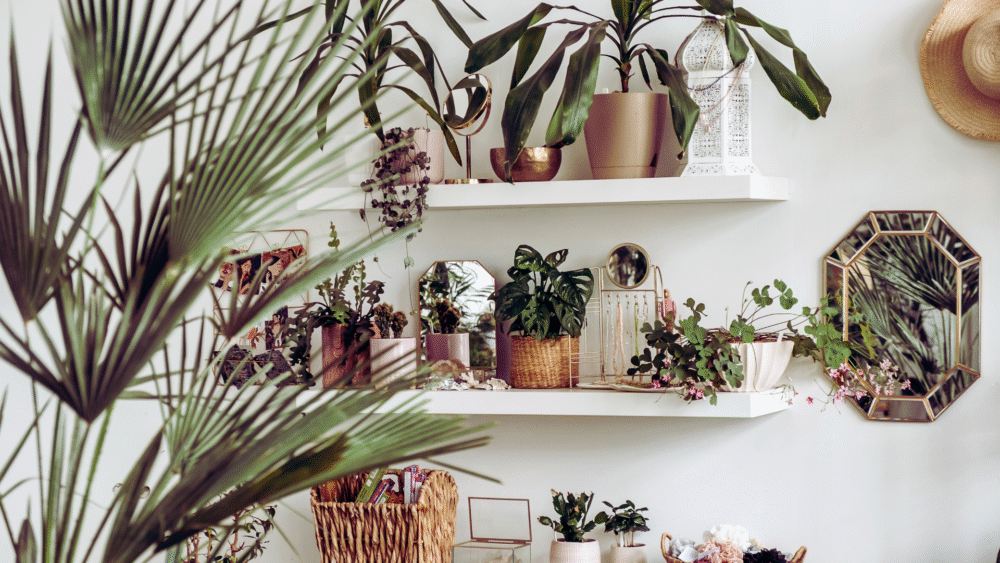
Indoor plants can transform a living space, adding vibrancy and improving air quality. Keeping houseplants healthy requires understanding their specific needs in terms of light, water, and soil. With the right care, anyone can enjoy the numerous benefits that these green companions offer.
It’s essential to recognize that each plant has different requirements. Some thrive in bright, indirect light, while others prefer low-light conditions. Proper watering techniques and using the right type of soil can significantly impact plant health and growth.
Incorporating a few simple tips into the care routine can elevate indoor gardening from a hobby to a fulfilling part of one’s daily life. By paying attention to environmental factors and plant health, the longevity of houseplants can be greatly enhanced.
Essentials of Indoor Gardening
Indoor gardening requires careful consideration of several factors, including the choice of containers, soil mixtures, and drainage systems. These elements play a critical role in the health and growth of plants.
Selecting the Right Containers
Choosing the right container is crucial for any indoor plant. It should provide enough space for roots to grow while allowing for proper air circulation.
Material Options:
- Plastic: Lightweight and affordable but might retain heat.
- Clay: Porous, promotes airflow, but is more fragile.
- Ceramic: Available in various styles; often coated to prevent moisture loss.
Containers should also have drainage holes at the bottom to prevent waterlogging, which can lead to root rot and other issues. When selecting a size, consider the mature size of the plant to avoid repotting too frequently.
Understanding Soil Mixtures
Soil quality is fundamental to a thriving indoor garden. A good potting mix provides essential nutrients, retains moisture, and promotes healthy root development.
Essential Components:
- Peat Moss: Helps retain moisture and improves drainage.
- Perlite or Vermiculite: Enhances aeration and prevents compaction.
- Compost: Adds nutrients and beneficial microorganisms.
The mix should be tailored to the specific needs of the plants. For example, succulents prefer a well-draining mix, whereas ferns thrive in more moisture-retentive soil. Always choose soil that is free from pests and disease.
The Importance of Drainage
Effective drainage is vital in indoor gardening. It prevents excess water from accumulating in the container, which can harm plant roots.
Drainage Strategies:
- Use pots with built-in drainage holes.
- Incorporate materials like gravel or clay pebbles at the bottom of the container.
Regularly check for standing water in saucers beneath pots. This practice helps to ensure that roots receive the right balance of moisture and air. Proper drainage contributes significantly to the overall health and longevity of indoor plants.
Plant Care and Maintenance
Effective plant care and maintenance are vital for ensuring healthy indoor plants. Proper watering, fertilizing, pruning, and repotting practices significantly contribute to optimal growth and longevity.
Watering Techniques and Frequency
Watering indoor plants correctly is essential to maintaining adequate soil moisture. The frequency of watering depends on the plant species, pot size, and environmental conditions. A common technique is the “soak and dry” method, which involves thoroughly watering the plant until water drains from the bottom, then allowing the top inch of soil to dry out before watering again.
To check moisture levels, a soil moisture meter can be invaluable. Alternatively, sticking a finger into the soil down to the first knuckle can help gauge dryness. Overwatering may lead to root rot, while underwatering can cause wilting. Adjust the watering schedule based on the plant’s needs, particularly during lighter seasons such as spring and summer.
Fertilizing for Optimal Growth
Fertilizing indoor plants helps replenish nutrients depleted from the soil. Before applying fertilizer, it’s important to choose the right type. Liquid fertilizers are often recommended for quick absorption, while slow-release options provide nutrients over an extended time.
During the growing season, which typically spans spring and summer, plants benefit from regular fertilization every 4-6 weeks. The ratio of nutrients, displayed on the fertilizer packaging (such as 10-10-10), indicates the percentage of nitrogen, phosphorus, and potassium. Adjust fertilization as growth slows in the fall and winter months.
Pruning and Repotting Recommendations
Pruning houseplants is crucial for maintaining shape and encouraging healthy growth. It involves cutting back dead or unhealthy leaves and stems, which can prevent disease and promote air circulation. Sharp, clean shears should be used to make precise cuts, ensuring the health of the plant.
Repotting is typically necessary when roots become crowded or grow out of the drainage holes. Choose a pot that is 1-2 inches larger in diameter for optimal space. When repotting, refresh the soil to provide new nutrients. The best time to repot is during the growing season, allowing the plant to adapt more easily to its new environment.
Controlling Pests and Diseases
Effective management of pests and diseases is crucial for maintaining healthy indoor plants. Identifying problems early and applying appropriate treatment methods can help prevent issues from spreading and causing significant damage.
In cases where infestations become difficult to manage, hiring professionals who specialize in Pest Control columbia sc (or elsewhere) can provide effective solutions. This approach helps ensure that plants remain healthy while preventing further problems from spreading to other plants in the space.
When these experts arrive, they perform a thorough inspection of the property to find the source of the problem. They document every detail of their visit, including the types of insects found and the specific treatments applied. Many businesses use a standardized pest control work order template to keep these records organized. This form has spaces for chemical names, safety steps, and follow-up dates. It also requires a customer signature to confirm the job is complete. Having a clear record helps both the homeowner and the technician track the progress of the treatment over time.
Identifying Common Pests and Diseases
Houseplants are susceptible to numerous pests, including aphids, spider mites, and fungus gnats. Recognizing these pests early is crucial for effective treatment.
- Aphids often cluster on new growth, sucking sap and causing leaves to curl.
- Spider mites create fine webbing and cause yellowing of leaves.
- Fungus gnats appear as small flies around the soil.
Diseases like powdery mildew can affect plant leaves, producing white, powdery spots. Regular inspection and maintaining good air circulation within the plants help in early detection.
Remedies for Pest Control
Using natural remedies can be effective and safer for indoor environments. Neem oil is a popular choice for many pest types. It disrupts the life cycle of insects, reducing their population.
Insecticidal soap is another effective method. It suffocates soft-bodied insects like aphids and spider mites.
There are also plenty of eco-friendly, ready-made pest control products available from stores like Must Be Natural. They can offer a variety of solutions designed to target different types of pests.
Also, these options take the guesswork out of pest control and provide a more natural approach that’s safer for both the home and the environment. It’s a thoughtful way to keep things in check without relying on harsh chemicals.
Applying these treatments involves:
- Mixing according to product instructions.
- Spraying directly on affected areas, ensuring coverage.
- Repeating applications every 7 to 14 days until pests are controlled.
Regularly monitoring plants after natural treatment is essential to ensure that the pest population continues to decline, to catch any new infestations early. However, if the presence of pests becomes persistent or spreads despite these efforts, it may be necessary to seek professional assistance to fully resolve the issue.
In this regard, specialists from companies like James River Pest Solutions (accessible through jamesriverpestsolutions.com) can offer targeted treatments and ongoing support to protect indoor gardens from stubborn infestations safely and effectively.
Dealing with Fungal Problems
Fungal issues like powdery mildew require prompt action. Maintaining proper humidity and ensuring plants are not overcrowded helps prevent outbreaks.
To treat powdery mildew, consider options such as:
- Diluted baking soda solution.
- Fungicidal sprays are specifically designed for powdery mildew.
Additionally, allow for proper air circulation by spacing plants wisely and utilizing fans if necessary. Regularly removing affected leaves will also minimize spread.
Lighting and Environmental Factors
Indoor plants require careful attention to lighting and environmental factors to thrive. Appropriate light exposure, combined with optimal temperature and humidity levels, plays a crucial role in their health and growth.
Determining Light Requirements
Different indoor plants have varying light requirements, categorized into low, medium, and high light conditions. Low-light plants, such as snake plants and pothos, can survive in dim areas, while high-light plants like succulents and cacti thrive in direct sunlight.
To determine the appropriate light for each plant, one must assess:
- Light Intensity: Measure how much light hits the plant. This can be checked with a light meter.
- Duration of Light Exposure: Ensure the plant receives the right amount of light hours daily, typically ranging from 6-12 hours.
- Type of Light: Natural versus artificial light makes a difference. For low-light settings, consider using grow lights to supplement.
Managing Temperature and Humidity
Temperature and humidity levels significantly impact plant health. Most indoor plants prefer a temperature range of 60°F to 75°F (15°C to 24°C). Extreme temperature fluctuations can stress plants, leading to poor growth.
Humidity levels are equally important. Most tropical plants thrive at 40-60% humidity. Consider using tools to measure humidity, like hygrometers, and take steps to enhance humidity by:
- Misting: Regularly misting plants helps raise humidity.
- Humidity Trays: Placing containers of water near plants can help increase moisture in the air.
- Grouping Plants: Clustering plants together can create a microenvironment with higher humidity levels.
Maintaining stable temperature and humidity levels helps indoor plants flourish.