
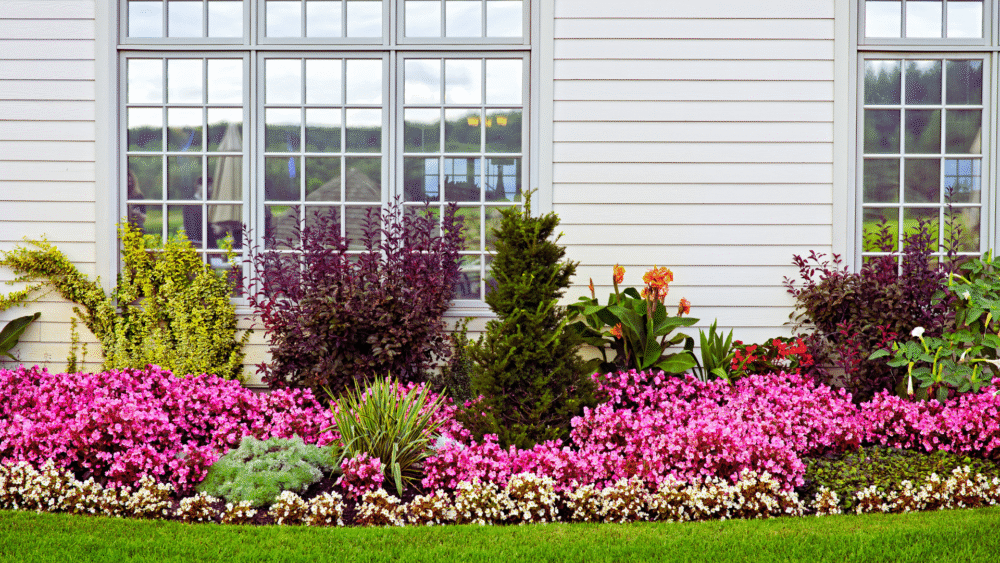
Starting a flower garden can be a rewarding and fulfilling endeavor. Choosing the right location, preparing the soil, and selecting suitable plants are key steps to successfully create a beautiful garden. With the right knowledge and resources, anyone can cultivate a vibrant space filled with color and fragrance.
She can begin by assessing her outdoor area to ensure it receives adequate sunlight and has good drainage. Preparing the soil is equally important; it may involve enriching it with compost to provide plants with essential nutrients. Following this, selecting flowers that thrive in the specific climate will contribute to the garden’s success.
Flower gardening requires some planning, but with the right approach, it can be a delightful hobby. Seasonal blooms can add beauty throughout the year, making her garden not just a project, but a continual source of joy. The benefits of tending to a flower garden extend beyond aesthetics and can offer a sense of tranquility and achievement.
Planning Your Flower Garden
Effective planning is essential for any flower garden. Key aspects include choosing the right location, determining garden design and shape, and selecting an appealing color scheme along with suitable flowers.
Choosing the Right Location
Location plays a crucial role in a flower garden’s success. A site with full sunlight for at least six hours a day is ideal for most flowering plants. It’s essential to evaluate the wind exposure as well; sheltered areas can protect delicate blooms.
The soil quality should also be considered. Testing soil for pH and nutrient levels helps determine what amendments might be necessary. An ideal location may include proximity to water sources for easy irrigation and sufficient space for the garden’s intended size.
Determining Garden Design and Shape
The garden’s design and shape significantly affect its aesthetics and functionality. Options include raised beds, which facilitate easier maintenance and improve drainage, and traditional flower beds that can be shaped in various ways to create visual interest.
In considering design, layering can be particularly effective—taller plants in the back and shorter ones in the front enhance visibility. Incorporating paths can break up the space and allow access without trampling plants. Gardeners should aim for a shape that complements the existing yard, whether rectangular, circular, or more organic.
Selecting a Color Scheme and Flowers
Choosing a color scheme brings unity to the garden. A cohesive color palette can evoke specific emotions or harmonize with the surrounding landscape. For instance, analogous colors such as pinks, reds, and violets can create a soothing atmosphere.
When selecting flowers, consider a mix of perennials and annuals to ensure year-round interest. Opt for native plants that thrive in local conditions. Popular choices for vibrant blooms include roses, flowering shrubs, and ornamental grasses. Additionally, planning the bloom time helps ensure continuous color throughout the growing season. Combining various textures like vines and grasses adds depth and visual appeal.
Preparing Soil and Planting Area
Creating a thriving flower garden begins with preparing the soil and planting area. Proper soil preparation ensures that plants receive essential nutrients, moisture, and space to thrive.
Testing and Improving Soil
A soil test is crucial for understanding its composition and nutrient levels. Gardeners can obtain a soil test kit from a local garden center or extension office. The test will reveal pH levels and the presence of key nutrients. Based on the results, they can amend the soil with compost or organic matter to improve fertility.
For poor drainage, like in clay soils, adding organic matter enhances texture. In sandy or rocky soils, incorporating compost helps retain moisture and nutrients. Additionally, testing the soil for weeds ensures a healthier planting environment. Removing weeds before planting reduces competition for resources.
Arranging and Spacing Plants
Proper spacing is essential for healthy flower growth. Each plant has specific spacing needs, often indicated on seed packets or plant tags. For instance, tall flowers may require more space to avoid shading shorter varieties.
A general guideline is to space plants based on their mature size. Crowded plants may compete for water and nutrients, leading to poor growth and disease. Planting in blocks rather than rows can create a more natural look while maximizing space. Visualizing the finished garden layout helps achieve the desired impact in the landscape.
Understanding Frost Dates and Planting Times
Knowing local frost dates is vital for successful planting. Most gardeners rely on an almanac, newsletter, or local extension services to determine the last frost date. This information helps in planning when to start planting.
Timing the planting of flowers should align with these frost dates. For instance, delicate annuals should be planted after the last frost. Conversely, hardy perennials can often withstand cooler temperatures. Adjusting planting times based on current weather conditions is also important, as Mother Nature can be unpredictable. Attention to these details leads to a more resilient garden.
Caring for and Maintaining Your Flower Garden
Maintaining a healthy flower garden requires consistent attention to various practices. Key areas include proper watering, pest management, pruning, and supporting wildlife. Each aspect contributes significantly to the garden’s beauty and functionality.
Watering and Mulching Practices
Watering is crucial for sustaining garden health. The frequency and amount depend on the types of plants and climate conditions.
- Morning Watering: This time reduces evaporation and fungal growth.
- Deep Watering: Encourages plants to develop deeper roots for better drought resistance.
Mulching retains moisture, suppresses weeds, and regulates soil temperature.
- Types of Mulch: Organic mulches like shredded bark or straw provide nutrients as they decompose.
- Application: A layer of 2-3 inches around plants helps keep soil moisture steady.
Weed and Pest Management
Weeds compete for nutrients and water, negatively impacting flower health. Regularly inspecting the garden allows for timely weed removal.
- Hand Pulling: Effective for smaller gardens. Removing roots prevents regrowth.
- Landscaping Fabric: Can help suppress weed growth in larger areas.
For pest management, identifying the specific pests is essential.
- Natural Predators: Ladybugs and lacewings can help control aphid populations.
- Homemade Solutions: Sprays with soapy water are effective against soft-bodied insects.
Pruning, Deadheading, and Seasonal Care
Pruning promotes healthy growth and enhances the overall appearance.
- When to Prune: Late winter or early spring is best for most shrubs and perennials.
- Deadheading: Removing spent flowers encourages new blooms.
Seasonal care includes preparing the garden for winter by cutting back perennials.
- Clean-Up: Removing debris reduces disease risk.
- Protective Mulch: Applying mulch before winter helps shield roots from freezing temperatures.
Supporting Pollinators and Wildlife
Incorporating plants that attract pollinators enhances garden vitality.
- Native Plants: These species are more effective in attracting local pollinators like bees and butterflies.
- Variety of Blooms: Choosing flowers with different bloom times ensures a continuous food source for pollinators throughout the seasons.
Creating habitats, such as birdhouses or insect hotels, supports beneficial wildlife.
- Water Sources: Small water features can attract birds and beneficial insects, adding life to the garden.
- Diverse Species: Including a mix of flowers and shrubs promotes a balanced ecosystem.