
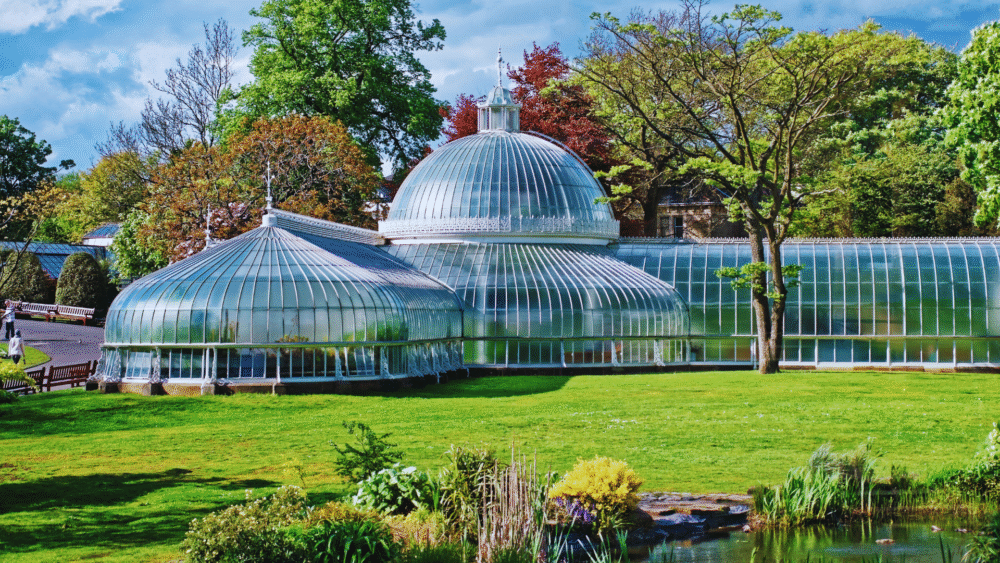
Botanical gardens serve as vital repositories of plant diversity, offering unique opportunities for conservation and education. Caring for the various species within these gardens not only preserves rare and endangered plants but also fosters public engagement with the importance of biodiversity. By showcasing a wide array of plant species, botanical gardens inspire visitors and provide valuable insights into the complexities of ecosystems.
The management of diverse plant species involves a comprehensive understanding of each species’ unique requirements. This includes considerations such as soil types, watering needs, and climate conditions. Through meticulous care, botanical gardens contribute to global conservation efforts while educating the public on sustainable practices and the significance of plant life.
Visitors to botanical gardens gain more than just aesthetic pleasure; they walk away with knowledge that can influence their attitudes toward conservation. The blend of education and hands-on experiences allows individuals to appreciate the intricate roles plants play in the environment. Engaging with the care practices employed in these gardens enhances awareness of the challenges faced in preserving natural habitats and encourages a deeper commitment to ecological stewardship.
Plant Species and Biodiversity
Plant species play a crucial role in maintaining biodiversity within botanical gardens. Understanding the types of plants present, their conservation status and the challenges posed by invasive species is essential for promoting a healthy ecosystem.
Vascular Plant Species
Vascular plants, which include ferns, gymnosperms, and angiosperms, are vital components of biodiversity in botanical gardens. They possess specialized tissues for the transport of water and nutrients, allowing them to thrive in various environments.
These species contribute to habitat richness and support various life forms, including insects, birds, and mammals. Effective management practices, such as proper care and regular assessment, help maintain the health of vascular plant collections.
Key examples of vascular plant species in botanical gardens include:
- Trees: Oaks, maples, and pines
- Shrubs: Azaleas and boxwoods
- Herbaceous plants: Hostas and daylilies
Threatened Plant Species
Threatened plant species face significant risks from habitat loss, climate change, and invasive species. Botanical gardens often participate in conservation efforts to protect these species, promoting genetic diversity and increasing their chances of survival.
Examples of threatened plant species include:
- California poppy (Eschscholzia californica): Facing threats due to urbanization.
- Eastern prairie fringed orchid (Platanthera leucophaea): Impacted by habitat destruction.
Botanical gardens may also engage in propagation and reintroduction programs, aiming to boost population numbers in their native habitats.
Invasive Species
Invasive species can disrupt local ecosystems by outcompeting native flora for resources. Their rapid growth and adaptability pose significant threats to biodiversity.
Botanical gardens are proactive in managing invasive species to protect their collections and surrounding ecosystems. Common invasive species include:
- Japanese knotweed (Fallopia japonica): Aggressive growth habits hinder native plants.
- English ivy (Hedera helix): Smothers native undergrowth and can damage structures.
Preventative measures, such as monitoring and controlled removal, are essential strategies employed by gardens to mitigate the impact of invasive species on biodiversity.
Conservation Efforts in Botanical Gardens
Botanical gardens play a vital role in species conservation through various initiatives. They contribute not only to plant conservation but also engage the public in education and awareness efforts.
Conservation Collections
Conservation collections comprise living collections of rare, endangered, or native plants. Botanical gardens often prioritize species that are threatened by habitat loss, climate change, or invasive species.
These collections serve as a genetic reservoir, preserving plant diversity. They enable researchers to study the ecology and biology of these species. Furthermore, living collections support propagation efforts for endangered plants.
Many gardens collaborate with conservation organizations to expand these collections. They often share resources and expertise to enhance conservation effectiveness. Regular assessments ensure that collections remain relevant and responsive to evolving conservation priorities.
Reintroduction Programs
Reintroduction programs aim to restore native plant species to their natural habitats. Botanical gardens play a critical role in these efforts by cultivating plants for reintroduction.
They assess ecosystem health and identify suitable locations for re-establishing species. Before reintroduction, extensive research on the plant’s ecological requirements is conducted. This includes soil conditions, pollinator relationships, and competition dynamics.
Collaborative efforts with governmental and non-governmental organizations are essential for success. Monitoring post-reintroduction helps evaluate the long-term viability of these species. Challenges in reintroduction may include habitat degradation and climate variability.
Education and Outreach
Education and outreach initiatives in botanical gardens foster public engagement in conservation. They provide programs that teach about plant ecology, conservation strategies, and environmental stewardship.
Workshops, guided tours, and educational materials encourage visitors to connect with nature. Botanical gardens also partner with schools to enhance biodiversity education within curricula. Additionally, many institutions with a focus on environmental and land-based studies also tend to offer sustainable horticulture courses that can teach practical techniques in garden planning, plant science, and responsible land management.
Conservation awareness campaigns target the issues of habitat loss and species extinction. Through these efforts, gardens empower communities to become involved in local conservation actions. Engaging the public is crucial for building a network of support for ongoing conservation practices.
Research, Development, and Education
This section highlights the essential roles of scientific research, horticultural advancements, and public education programs in the care of botanical garden species. Emphasizing a strategic approach, these areas contribute to effective conservation and outreach efforts.
Scientific Research
Scientific research is fundamental in advancing knowledge about plant species and their ecosystems. Botanical gardens often contribute to global strategies for plant conservation by studying biodiversity, habitat preservation, and genetic diversity. Through partnerships with universities and research institutions, they can engage in phenological studies that monitor seasonal changes in plant life.
Research findings inform conservation practices, ensuring that species care methodologies are evidence-based. Data management systems are crucial, allowing for comprehensive tracking of species health and population dynamics. This facilitates informed decision-making and resource allocation within the botanical garden.
Horticultural Advancements
Advancements in horticulture are vital for enhancing plant care and cultivation techniques. Botanical gardens experiment with innovative cultivation methods, pest management strategies, and sustainable practices. Such developments aim to improve plant resilience and growth while minimizing environmental impact.
Additionally, the integration of technology into horticultural practices is becoming increasingly prevalent. Tools such as precision agriculture, integrated pest management software, and climate monitoring contribute to more efficient resource use. By centralising data and streamlining decision-making, these methods, like an automated irrigation system, for instance, support healthier plant environments and more efficient operations. Through these advancements, gardens can support the conservation of species by maintaining optimal growing conditions.
Public Education Programs
Public education programs are essential for raising awareness and promoting advocacy for plant conservation. Botanical gardens offer workshops, guided tours, and interactive exhibits that engage visitors of all ages. These programs aim to inform the public about the importance of biodiversity and the role of plants in ecosystems.
Capacity-building initiatives also empower local communities to participate in conservation efforts. By providing educational resources and opportunities, gardens foster a better understanding of horticulture and ecological principles. This educational outreach supports a sustainable future through informed advocacy and community involvement.
Conservation Techniques and Strategies
Conservation techniques and strategies play a crucial role in preserving plant diversity. Various methods, including ex-situ conservation, seed banking, and genetic resources management, are employed to maintain healthy plant populations and ensure their survival in changing environments.
Ex Situ Conservation
Ex-situ conservation involves the preservation of plant species outside their natural habitats. This method includes cultivating plants in botanical gardens, arboretums, and other controlled environments. These facilities provide optimal growing conditions to promote healthy development.
Key aspects of ex-situ conservation include:
- Living Collections: The maintenance of diverse plant species, allowing for research, education, and recreational purposes.
- Propagation Techniques: Utilizing grafting, cuttings, and tissue culture to increase populations and maintain genetic diversity.
- Phenotypic Monitoring: Regular observation of plant growth and health to ensure species integrity.
Such practices mitigate the risk of extinction and support ecological restoration efforts.
Seed Banking and Germplasm
Seed banking is vital for long-term conservation strategies. By storing seeds in controlled environments, botanical gardens can preserve genetic material for future restoration efforts.
Critical elements include:
- Germplasm Storage: Seeds are stored at low temperatures and humidity levels to maintain viability over time.
- Seed Science: Understanding the physiological and genetic requirements for seed germination and growth. This knowledge aids in efficient germination testing and storage conditions.
- Diversity Preservation: Seed banks maintain a variety of species, safeguarding against genetic erosion.
These practices offer a backup for endangered species and facilitate the development of recovery programs.
Genetic Resources Management
Effective genetic resources management ensures the sustainability of plant species. This includes assessing and monitoring genetic diversity within living collections.
Important components are:
- Genetic Assessment: Evaluating genetic variation helps identify resilient traits that can adapt to environmental changes.
- Integrated Conservation: Combining in situ (natural habitat) and ex-situ methods to create a holistic approach to conservation.
- Collaborative Networks: Engaging with global conservation programs enhances the sharing of genetic material and knowledge.
These strategies create a robust framework for protecting plant diversity and fostering ecological balance.