
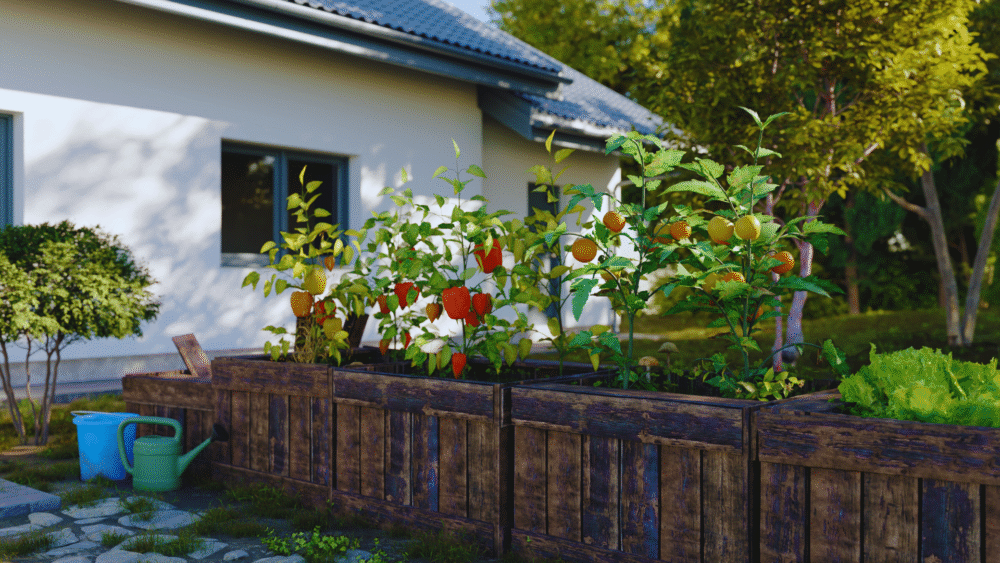
Edible landscaping combines aesthetics with functionality, transforming traditional outdoor spaces into beautiful, productive gardens. Incorporating fruits, vegetables, and herbs into landscape design allows individuals to grow homegrown food while enhancing the visual appeal of their surroundings. This approach not only provides fresh ingredients for meals but also promotes better nutrition and sustainable living.
Many homeowners are discovering the benefits of foodscaping, where edible plants are integrated seamlessly with ornamental ones. This method creates a harmonious environment that encourages spending time outdoors and appreciating nature’s bounty. With thoughtful planning, anyone can cultivate culinary plants that thrive alongside more traditional landscaping choices, maximizing the utility of their outdoor space.
As interest in self-sufficiency grows, edible landscaping presents an opportunity to reconnect with food sources. It empowers individuals to make informed choices about their diets while enjoying the therapeutic aspects of gardening. The possibilities for creating a stunning and productive landscape are vast, making edible plants a valuable addition to any garden.
Planning Your Edible Landscape
Effective planning is crucial for successful edible landscaping. By evaluating space and sunlight, selecting the appropriate plants, and ensuring a pleasing design, one can create a productive outdoor area that enhances both beauty and function.
Assessing Space and Sunlight
To begin, assessing available space is essential. Is it a small balcony or a spacious backyard? The layout will influence plant choices.
Next, sunlight exposure should be measured. Most edible plants thrive in full sun, requiring 6–8 hours of direct sunlight daily. Conduct a sun survey to identify sunny and shaded areas. This assessment will help determine where to place different plants for optimal growth.
Consider the climate and local conditions when mapping out the landscape. Micromicroclimates, such as sheltered spots or areas with wind protection, should also be noted.
Choosing the Right Plants
Selecting the right plants is a significant step in edible landscaping. Start with fruits, vegetables, and herbs that suit the climate.
Popular choices include:
- Vegetables: Tomatoes, peppers, and lettuce
- Fruits: Strawberries, blueberries, and dwarf apple trees
- Herbs: Basil, rosemary, and mint
Diversity is important, as it attracts beneficial insects and provides a continuous harvest throughout the seasons. Companion planting can enhance growth; for example, planting basil near tomatoes can improve flavor and repel pests.
Native plants should not be overlooked; they often require less maintenance and adapt well to local conditions.
Designing for Aesthetics and Functionality
Designing an edible landscape should balance beauty with practicality. Incorporating different heights and textures enhances visual interest.
Consider these design elements:
- Vertical gardens using trellises for climbing plants like cucumbers
- Layered planting with taller plants in the back and shorter ones in the front
- Pathways for easy access to all areas
It is important to create defined spaces for specific uses, such as a vegetable garden or herb spiral. This arrangement allows for efficient maintenance and harvesting.
Many people look for specialized landscape design chester county to get the best results for their soil type. A good plan keeps the yard organized and easy to manage throughout the year. It also helps avoid common mistakes that beginners make when they start a new garden project.
Colorful foliage and seasonal blooms can provide year-round appeal, making the garden both functional and attractive.
Incorporating Raised Beds and Containers
Utilizing raised beds and containers can maximize space and improve the gardening experience. Raised beds allow for better drainage and soil quality, essential for healthy growth.
Benefits of raised beds include:
- Easier access for planting and weeding
- Extended growing seasons due to improved soil warming
- Reduced soil compaction
Containers offer flexibility, perfect for small spaces or patios. Choosing containers with proper drainage is crucial, along with selecting the right size according to the plant’s needs.
Mixing various sizes and shapes of containers can create an appealing design while allowing for a diverse plant selection.
Choosing Plants for Your Edible Landscape
Selecting the right plants is crucial for a successful edible landscape. Key considerations include climate, soil type, and personal preference. Diverse plant types can provide visual interest while enhancing the garden’s productivity.
Fruit Trees and Berry Shrubs
Fruit trees and berry shrubs offer numerous benefits, providing both aesthetic value and delicious yields. Common fruit trees include apples, pears, and cherries, which vary in size and require specific care. Berry shrubs like blueberries, raspberries, and blackberries are well-suited for smaller spaces and can yield abundant fruit.
When choosing fruit trees, consider their mature size and spacing requirements. Dwarf varieties are ideal for limited spaces. Placement should ensure adequate sunlight and good air circulation. Pruning is essential for maintaining shape and encouraging fruit production.
Vegetables and Salad Greens
Incorporating vegetables and salad greens creates an interactive and fruitful garden. Gardeners can choose from annuals like tomatoes, peppers, and zucchini, as well as perennials like asparagus and rhubarb. Salad greens such as lettuce, spinach, and arugula thrive in cooler weather and can be planted early in the season.
Selecting a variety of vegetables can help ensure a continuous harvest. Grouping plants with similar sunlight and moisture needs simplifies care. Raised beds or containers may enhance accessibility and productivity. Rotating crops annually helps maintain soil health.
Herbs for Flavor and Fragrance
Herbs can provide flavor enhancement and aromatic scents in an edible landscape. Popular choices include basil, rosemary, thyme, and cilantro. These plants vary in growth habits, with some like mint aggressively spreading, while others remain compact.
Planting herbs near vegetables can promote complementary flavors. They can also attract beneficial insects and repel pests. Consider growing herbs in dedicated beds, containers, or as border plants to maximize space. Being mindful of sunlight and water requirements ensures healthy growth.
Edible Flowers and Ornamentals
Edible flowers add beauty and unique flavors to an edible landscape. Choices like nasturtiums, violas, and calendula not only look appealing but can also be used in salads or as garnishes. Other ornamental plants, such as fruit-bearing ornamental peppers, can provide visual interest while producing edible fruits.
When selecting edible flowers, ensure they are grown without harmful chemicals. Many edible flowers attract pollinators, beneficial for fruit and vegetable production. Their vibrant colors can enhance garden aesthetics while contributing to culinary creativity.
Caring for Your Edible Landscape
Maintaining an edible landscape requires attention to several key aspects. Focusing on soil fertility, appropriate watering techniques, pest control, and proper pruning and harvesting ensures the landscape thrives and remains productive.
Soil Fertility and Mulching
Healthy soil is critical for nutrient uptake in plants. Regularly testing soil pH and nutrient levels can help guide amendments. Adding organic matter, such as compost, improves soil structure and fertility.
Mulching helps retain moisture, suppress weeds, and regulate soil temperature. Organic materials like straw, wood chips, or grass clippings make effective mulches. Applying a 2–4 inch layer around plants can significantly reduce water evaporation and improve soil health.
It is essential to replenish mulch as it decomposes, ensuring continued benefits. Monitoring soil moisture and adjusting organic amendments keeps nutrients available for plants.
Irrigation and Water Conservation
Effective irrigation techniques are vital for a productive edible landscape. Drip irrigation systems deliver water directly to plant roots, minimizing evaporation and runoff. This method conserves water while ensuring plants receive adequate moisture.
Implementing rainwater harvesting systems can supplement irrigation. Installing rain barrels can collect runoff, providing a sustainable water source.
Soil moisture sensors can aid in determining when to irrigate. Deep watering encourages root growth, improving drought resistance. Regularly monitoring moisture levels leads to more efficient water use and healthier plants. Additionally, if you require specialist attention for things like drain unblocking, CCTV surveys, or new connections, consider engaging a local Drainage Company to ensure all your water-management issues are addressed.
Pest Control and Attracting Pollinators
Integrated Pest Management (IPM) strategies ensure plants remain healthy without relying solely on chemical pesticides. Utilizing beneficial insects like ladybugs and lacewings helps control pests naturally.
Planting flowers alongside vegetables attracts pollinators. Species such as marigolds, borage, and lavender can draw essential pollinators to the garden. This practice enhances fruit and vegetable yields.
Regularly inspecting plants for pest activity is vital. Quick identification and removal of problems prevent infestations. Maintaining biodiversity further supports a balanced ecosystem in the garden. However, when an infestation moves beyond what natural methods can manage, it may be worth consulting a professional pest control service in your area — someone similar to Robbin’s Pest Control, who offers eco-friendly treatment options that can work alongside, rather than against, the natural balance you’ve worked to create in your garden.
Pruning and Harvesting Techniques
Proper pruning enhances plant health and productivity. Shearing back overgrown plants promotes better air circulation and sunlight penetration. It’s essential to use clean, sharp tools to minimize plant stress and disease spread.
Harvesting regularly encourages continuous growth. Picking ripe vegetables and fruits at their peak encourages plants to produce more. Understanding the specific harvesting times for various plants ensures maximum flavor and nutrition.
Regularly deadheading flowering plants can also promote additional blooms. This simple practice not only keeps plants looking their best but encourages a longer harvest season. Focused attention fosters a thriving edible landscape.
Innovative Structures in Edible Landscaping
Incorporating innovative structures into edible landscaping enhances both aesthetics and functionality. Various techniques like trellises, ground covers, and vertical gardening maximize space while promoting biodiversity. This section explores several key structures that can elevate edible landscapes.
Trellises and Arbors
Trellises and arbors create vertical spaces for growing plants, adding visual interest to gardens. These structures support climbing vegetables such as cucumbers and beans, allowing for easier harvesting and better air circulation.
Materials for trellises can range from wood to metal, depending on durability and design preference. They provide a framework that can be adorned with vines and flowers, enhancing the garden’s allure. Arbors serve as focal points and can define garden pathways.
Plants like alpine strawberries and various gourds thrive on these supports. Employing trellises and arbors optimizes space, making them ideal for smaller gardens or urban settings.
Edible Ground Covers
Edible ground covers play a crucial role in maximizing garden space while suppressing weeds. Varieties such as creeping thyme offer both flavor and greenery, enhancing the garden’s appeal.
These low-growing plants spread quickly and require minimal maintenance. They can be used in place of traditional lawns or as filler between rows of vegetables.
In addition to aesthetics, edible ground covers contribute to soil health. They prevent erosion and retain moisture, benefiting surrounding plants. Incorporating ground covers allows for a more sustainable edible landscape.
Deciding between a low-growing edible ground cover and a traditional turf area often comes down to expected foot traffic, maintenance tolerance, and how one plans to use the space. Ground covers excel in low-traffic beds, but where family use or pet play is frequent, a well-chosen turf can provide durability and visual continuity.
It’s also important to account for site drainage and irrigation so both edible plantings and lawns thrive; local installers can assess those details. For homeowners, consulting professionals who offer sod services in Sarasota, or elsewhere, can clarify whether a lawn, improved drainage, or targeted irrigation best complements an edible landscape.
Vertical Gardening
Vertical gardening is a creative solution for limited spaces. By utilizing walls and vertical structures, gardeners can grow an array of vegetables and herbs.
Vertical planters or pocket systems can hold pots or soil, accommodating a variety of plants. This method encourages efficient use of sunlight and improves airflow, reducing the risk of pests and diseases.
Herbs like basil and cilantro thrive in vertical gardens, as they can be easily accessed. This technique not only increases yield but also introduces an element of design to edible spaces.
Creating a Food Forest
Designing a food forest involves layering plants to mimic natural ecosystems. This approach integrates trees, shrubs, and ground covers to create a diverse and productive environment.
In a food forest, fruit and nut trees form the canopy while smaller plants, including herbs and berries, occupy the understory. This method promotes biodiversity and attracts beneficial organisms.
Choosing plants that complement each other is essential. For instance, mixing nitrogen-fixing plants with fruit-bearing ones enhances soil fertility. This sustainable approach yields a variety of produce throughout the seasons without the need for extensive maintenance.