
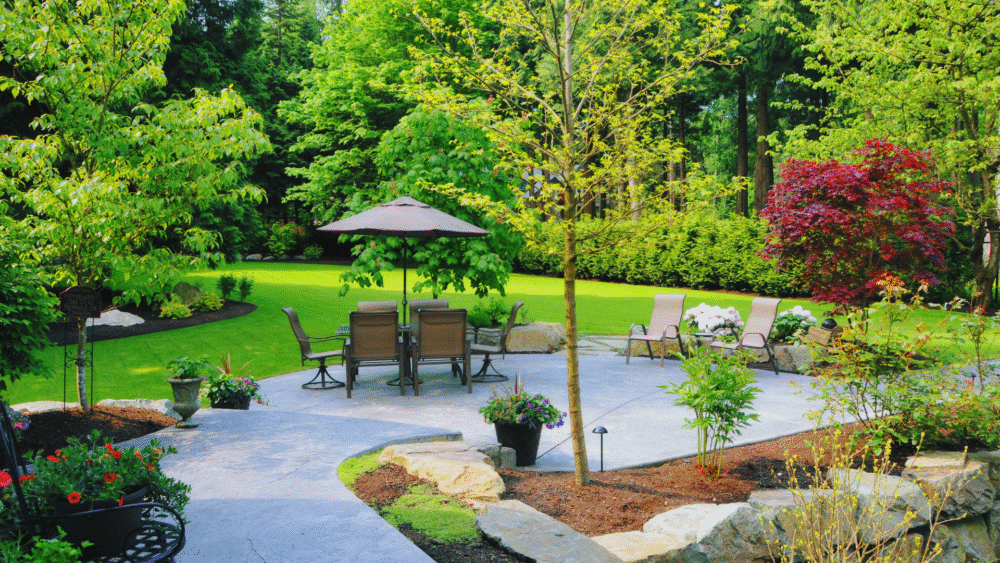
Water-efficient landscaping solutions play a vital role in sustainable living practices, contributing to both environmental conservation and personal savings. By implementing smart design choices and choosing appropriate plants, homeowners can significantly reduce their water consumption while maintaining beautiful outdoor spaces. This approach not only supports local ecosystems but also helps prevent water shortages in an increasingly resource-scarce world.
Incorporating native plants, xeriscaping, and efficient irrigation systems are key strategies in this movement toward sustainability. These methods not only enhance the aesthetic appeal of gardens but also promote biodiversity by providing habitats for local wildlife. As communities face growing concerns about climate change and water management, adopting water-efficient practices is essential for fostering a resilient environment.
Exploring various landscaping options reveals numerous benefits, from lower utility bills to decreased maintenance efforts. As more people turn toward responsible gardening, the potential for positive environmental impact grows exponentially. Making informed choices about landscaping not only beautifies the surroundings but also aligns with the ongoing effort to prioritize ecological health and sustainability.
Understanding Water-Efficient Landscaping
Water-efficient landscaping focuses on strategies to minimize water usage while maintaining attractive and functional outdoor spaces. Key principles emphasize conservation and reducing individual consumption.
Principles of Water Conservation
Water conservation is foundational to effective landscaping. Key principles include:
- Soil Health: Improved soil structure enhances water retention. Organic matter like compost can increase moisture levels, reducing the need for irrigation.
- Right Plant Selection: Native and drought-tolerant plants require less water and are adapted to local conditions. Choosing appropriate plants minimizes supplementary watering.
- Irrigation Techniques: Utilizing drip irrigation systems delivers water directly to the root zone. Timely application and moisture sensors reduce unnecessary water use.
- Mulching: Applying mulch around plants helps retain soil moisture and prevents evaporation, which is essential in warmer climates.
Emphasizing these principles fosters a more sustainable approach to landscaping.
Benefits of Reducing Water Consumption
Reducing water consumption in landscaping yields several notable benefits. These include:
- Environmental Impact: Lowering water usage decreases strain on local water supplies. It helps combat water scarcity, a growing concern in many regions.
- Cost Savings: With reduced water bills, homeowners and businesses see economic benefits. Efficient landscaping also often lowers maintenance costs.
- Ecosystem Enhancement: Implementing water-efficient practices supports local wildlife and promotes biodiversity. Native plantings can create habitats for beneficial insects and birds.
- Long-term Resilience: Landscapes designed for low water usage adapt better to climate changes. They remain vibrant and functional even during drought conditions.
These advantages illustrate the importance of water-efficient landscaping in contemporary environmental stewardship.
Designing Your Water-Efficient Landscape
Creating a water-efficient landscape involves selecting the right plants, utilizing hydrozones for effective irrigation, and integrating permeable materials to enhance water absorption. Each aspect plays a crucial role in reducing water usage while maintaining an attractive outdoor space. For those planning Landscaping in NE Houston or elsewhere, working with professionals familiar with local soil conditions and climate patterns can greatly improve long-term results. Native and climate-adapted plants often require far less water while still providing strong visual appeal. Smart irrigation systems can adjust watering levels according to weather changes, preventing unnecessary water waste. With thoughtful planning and region-appropriate choices, a landscape can remain beautiful, resilient, and environmentally responsible.
Selecting Appropriate Plant Species
The choice of plant species significantly impacts water efficiency. Native plants are often best suited for local climates and require less irrigation once established. Drought-resistant and drought-tolerant species thrive in arid conditions and can sustain periods of low water availability.
Considerations for Plant Selection:
- Local Adaptation: Select plants that naturally grow in the region.
- Soil Types: Understand how soil characteristics affect water retention.
- Maintenance Needs: Evaluate how much care each plant will require.
Using these criteria in plant selection ensures a sustainable and low-maintenance landscape.
Landscape Zoning and Hydrozones
Landscape zoning organizes areas based on water needs. Grouping plants with similar water requirements helps optimize irrigation practices. This method minimizes waste and improves overall water distribution.
Hydrozones can be categorized as:
- Low-water use: Suitable for drought-tolerant species.
- Moderate water use: Plants that need regular watering.
- High-water use: Grass or other lush greenery.
Designing these zones encourages efficient watering and maintenance practices, conserving water resources.
Incorporating Permeable Materials
Using permeable materials in landscaping promotes water infiltration and reduces runoff. These materials allow rainwater to soak into the ground rather than pooling on hard surfaces.
Types of Permeable Materials:
- Permeable Pavers: Create pathways that absorb water.
- Gravel or Stone: Enhances drainage while providing decorative options.
- Porous Concrete: Used in driveways and patios for effective runoff management.
Implementing these materials not only aids in water management but also enhances the ecological value of the landscape.
Irrigation and Water Management
Effective irrigation and water management are essential for achieving water-efficient landscaping. By utilizing advanced systems and techniques, individuals can significantly reduce water consumption while maintaining healthy landscapes. Modern water management also includes maintaining underground infrastructure to prevent leaks and water loss that can impact overall efficiency. Solutions like trenchless sewer repair help address pipe issues with minimal disruption, supporting more sustainable and efficient water usage. Moving on, this section explores various methods and technologies that enhance irrigation efficiency.
Choosing Efficient Irrigation Systems
Selecting the right irrigation system is crucial for minimizing water waste. Drip irrigation is often preferred due to its targeted application, allowing water to drip slowly to the roots of plants. This method reduces evaporation and runoff, ensuring that plants receive adequate moisture.
Considerations when choosing an irrigation system:
- Soil type: Different soils absorb water at different rates.
- Plant needs: Understanding plant species and their water requirements is essential.
- Climate: Local weather patterns can influence which systems are most effective.
Soil moisture sensors can also help monitor the need for irrigation, promoting efficient watering.
Innovations in Smart Irrigation
Smart irrigation systems utilize technology to optimize water use. These systems often integrate weather data and soil moisture sensors to adjust watering schedules automatically.
Key features include:
- Automation: Timers or smart controllers adjust based on real-time conditions.
- Mobile access: Users can monitor and control systems via smartphones.
- Weather-based adjustments: Systems can suspend watering during rain.
One example is the WaterSense label, which identifies products and systems that meet specific water-efficiency criteria. Implementing smart irrigation can lead to significant reductions in water usage.
Rainwater Harvesting Techniques
Rainwater harvesting is an effective way to conserve water and reduce runoff. By capturing rainwater, individuals can utilize this resource for irrigation and landscaping purposes.
Common methods include:
- Rain barrels: These containers collect runoff from roofs.
- Cisterns: Larger systems store significant volumes for later use.
- Rain gardens: These landscaped areas absorb rainwater, reducing runoff and promoting groundwater recharge.
Implementing these techniques not only decreases reliance on municipal water supplies but also benefits local ecosystems. Properly designed systems can help manage stormwater and enhance landscape resilience.
Maintaining Soil and Plant Health
Healthy soil is essential for maintaining robust plants, especially in water-efficient landscapes. Key strategies include integrating organic matter, managing pests sustainably, and following best practices for soil improvement.
Integration of Organic Matter and Mulch
Incorporating organic matter into the soil enhances its structure, fertility, and moisture retention. Materials such as compost, aged manure, or leaf litter can be mixed with existing soil to improve its nutrient profile.
Organic mulch, such as shredded bark or straw, not only conserves moisture but also suppresses weeds and regulates soil temperature. A layer of 2-4 inches of mulch is recommended. This protects the soil from erosion and provides a habitat for beneficial organisms.
Sustainable Pest and Soil Management
Effective management of pests and soil health is crucial. Soil testing helps identify nutrient deficiencies and informs the selection of appropriate soil amendments.
Implementing crop rotation and intercropping can enhance biodiversity, reducing the likelihood of pest outbreaks. Natural pest control methods, such as introducing beneficial insects, further contribute to a healthy ecosystem without relying on synthetic chemicals.
Best Practices for Soil Improvement
Improving soil health involves using various techniques to enhance fertility and structure. Regular soil testing determines pH and nutrient levels, guiding amendments like lime or sulfur to adjust acidity.
Incorporating cover crops during the off-season prevents erosion and improves soil structure. These plants also contribute organic materials when tilled into the soil.
Utilizing organic fertilizers, like bone meal or kelp extract, supports long-term soil health. Continuous monitoring and adjustment of soil management practices ensure optimal conditions for plant growth.